



The SEC’s Ongoing Delays in Crypto ETFs: A Focus on 21Shares and Staking
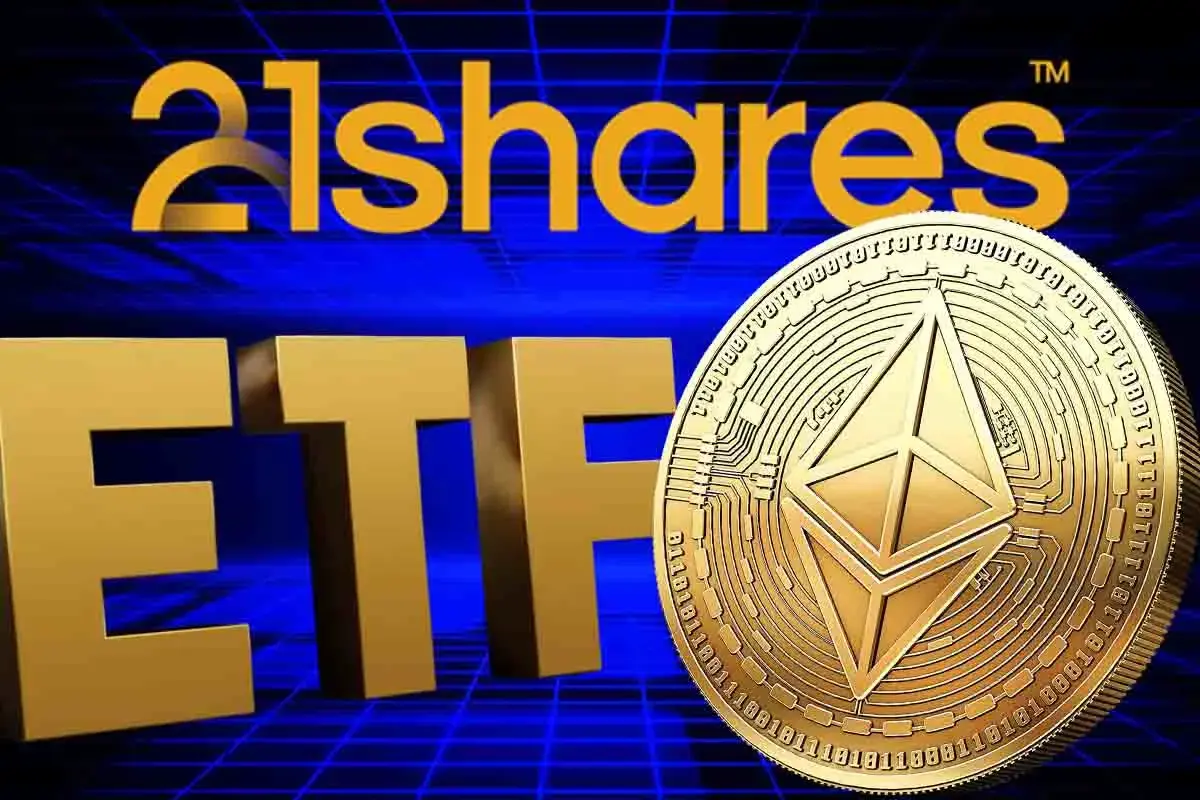
The U.S. Securities and Exchange Commission (SEC) has once again delayed its decision regarding 21Shares’ proposal to incorporate staking services into its spot Ethereum ETF. This recent postponement aligns with the SEC’s ongoing trend of extending review periods for several crypto-linked ETF products. 21Shares stands out, as it has an active spot Ethereum ETF trading in the United States, making the outcome of this proposal particularly significant for both the firm and the broader crypto market.
The Repercussions of Delayed Decisions
The extension on the review period for 21Shares’ staking proposal may not necessarily disadvantage the firm. Current market dynamics suggest that stakeholders remain optimistic. An approval for the staking feature could significantly boost the ETF’s appeal, attracting more investors. This situation mirrors the delays experienced with 21Shares’ Solana ETF proposal, indicating a broader trend of prolonged SEC deliberations on crypto ETFs. The firm, along with others, is caught in a complex web of regulatory challenges as they strive to monetize the burgeoning interest in cryptocurrencies.
Historical Context: Staking on Ethereum ETFs
The inception of spot Ethereum ETFs was met with widespread anticipation. However, issuers, including 21Shares, were compelled to forgo staking services initially in favor of advancing the approval process with the SEC, headed by Gary Gensler. This necessity to suppress staking bids speaks to the regulatory environment surrounding cryptocurrencies, which has been cautious and slow-moving. The SEC’s current deliberation on 21Shares highlights ongoing tensions between innovation in the digital asset space and regulatory compliance.
A Recovery Trend for Ethereum and Institutional Demand
Interestingly, the SEC’s acknowledgment of BlackRock’s in-kind redemption proposal for its Ethereum fund adds another layer to the narrative. Although this acknowledgment does not guarantee approval, it indicates growing institutional interest in Ethereum products. The crypto community has been keenly watching these developments, especially as more asset management firms press for the inclusion of staking features in their ETF proposals. This appetite among institutional investors signals a shifting landscape, where regulatory gatekeeping could become more permissive.
Renewed Optimism in Crypto ETF Approvals
Despite the current uncertainties, asset management firms remain hopeful regarding potential approvals for spot crypto ETFs. Recent forecasts from top analysts indicate a positive shift in the SEC’s attitude toward crypto funds. The emerging political climate also favors a more accepting stance towards cryptocurrencies, which could spell good news for various projects, including those involving Polkadot (DOT), Near Protocol (NEAR), and TRON. In particular, the pro-crypto stance adopted by recent U.S. leadership has injected optimism into the market, making stakeholders believe that the SEC’s next moves may favor their interests.
Broader Implications for Crypto Legislation
President Donald Trump’s pro-crypto initiatives have provoked a mixed response but signify a potential pivot in the regulatory landscape. While his administration faces scrutiny regarding certain crypto ventures, this has not deterred ongoing support for crypto-related products. Given the current atmosphere surrounding cryptocurrencies and the SEC’s ongoing reviews, proponents of XRP, Solana, and Ethereum ETFs remain hopeful for imminent approvals. The argument is bolstered by a renewed interest in digital assets among both individuals and institutions.
Conclusion: The Future of Crypto ETFs
The SEC’s delay on significant proposals like 21Shares’ staking services on Ethereum ETFs encapsulates the ongoing challenges and opportunities in the crypto market. While the delays may seem discouraging, the prevailing sentiment among asset managers and institutional investors is one of cautious optimism. The tapestry of evolving regulations and market interest suggests that the future of crypto ETFs remains bright, even if the path to approvals seems winding. Stakeholders in the crypto ecosystem will continue to advocate for innovation while navigating the complex regulatory landscape that defines the current environment.
In conclusion, while the SEC’s decision-making process can be painstakingly slow, the growing interest in crypto ETFs underscores a transformative moment in finance, making it a crucial time for both investors and regulators alike.