




Tensions Between India and Pakistan: Implications for the Crypto Market
The geopolitical landscape between India and Pakistan has seen a sharp escalation, with India’s recent missile strikes igniting concerns across various sectors, including the cryptocurrency market. As tensions grow, the impact on investor sentiment and market dynamics is becoming increasingly evident.
India’s Military Action and Its Rationale
India recently launched military operations targeting what it described as “terrorist infrastructure” in Pakistan and its administered Kashmir, following a horrific terrorist attack in Pahalgam that resulted in the deaths of 25 Indians and one Nepali citizen. The Indian Ministry of Defense asserted that the missile strikes were focused and measured, intentionally avoiding Pakistani military bases. However, Pakistan has responded assertively, with officials reporting civilian casualties and vowing retaliation.
Escalation of Hostilities
In the wake of India’s missile strikes, retaliatory actions from Pakistan have already commenced, including the downing of two Indian jets, heightening fears of a broader conflict. Pakistan’s Prime Minister has publicly declared their intention to respond militarily to India’s aggressive stance. The ongoing exchange of fire in the Poonch-Rajauri area further complicates the situation, with both nations crossing established ceasefire lines.
Market Uncertainty in the Face of Conflict
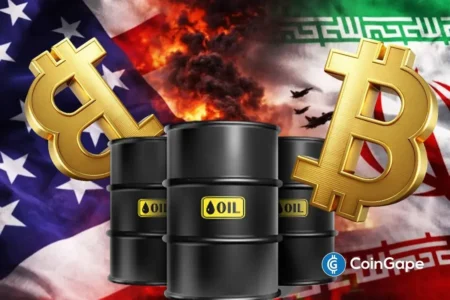
The ripple effect of rising tensions is felt in the cryptocurrency market, where uncertainty typically drives volatility. Following the missile attacks, Bitcoin’s value plummeted below $95,000. Analysts are cautioning investors to be vigilant as geopolitical conflicts traditionally result in market instability. The crypto market, often sensitive to global events, could face challenges as risk appetites diminish among investors.
Insights from Crypto Analysts
Crypto analyst Crypto TA King has highlighted how a potential full-scale war between India and Pakistan could further depress cryptocurrency prices, predicting a tumultuous week ahead for traders. Without de-escalation, the overarching sentiment may lean towards a bearish phase, impacting not just Bitcoin but the entire market ecosystem.
External Factors Compounding Market Concerns
Compounding the geopolitical concerns, external factors such as U.S. trade relations also play a role in market dynamics. U.S. President Donald Trump has expressed hope for a quick resolution to the conflict, but the situation remains tenuous. Just prior to the missile strikes, India had made notable concessions amid ongoing trade tensions, which, alongside regional conflict, could hinder the anticipated rally in cryptocurrency markets.
Conclusion: Navigating a Volatile Landscape
As tensions simmer between India and Pakistan, the implications for the global crypto market cannot be ignored. Investors should remain informed and cautious, especially as the risk of further escalation looms. While geopolitical events can create opportunities, the associated risks often demand a prudent approach. It is advisable for individuals to conduct thorough research and assess their investment strategies amid this unfolding crisis.