



Brazil Eyes Cryptocurrency Revolution: Itaú Unibanco’s Stablecoin Initiative
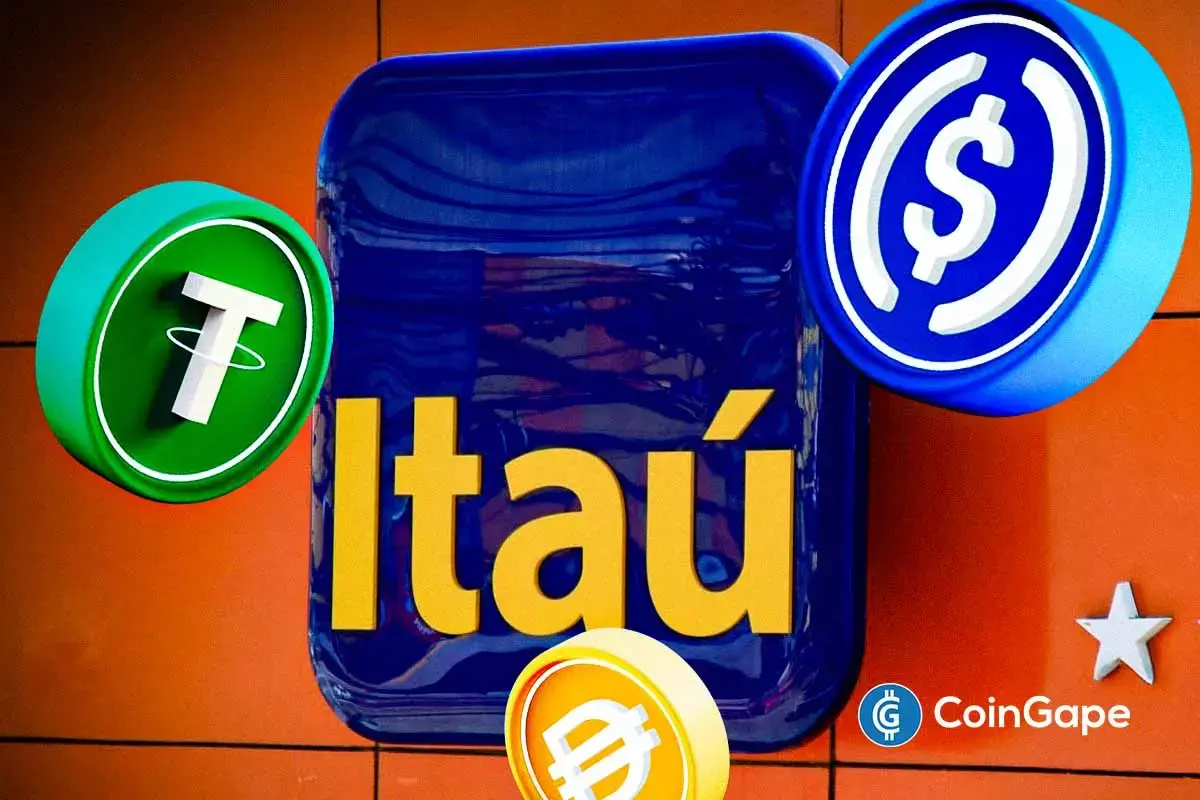
The evolving regulatory landscape for cryptocurrencies in the United States is having a significant impact on other nations, and Brazil is no exception. Recently, the country’s largest financial institution, Itaú Unibanco, has announced an exploration of launching its own proprietary stablecoin, which could potentially serve over 55 million customers. This progressive move aligns Brazil with a global trend that recognizes the increasing potential of stablecoins as a viable alternative to the traditionally volatile cryptocurrency markets. As Itaú Unibanco seeks to evaluate the feasibility of this digital asset, it is closely monitoring the actions of other financial institutions that have ventured into the stablecoin space.
The prospect of a Brazilian stablecoin is not just a speculative discussion; it’s a strategic initiative rooted in practicality. According to Guto Antunes, the bank’s head of digital assets, there is serious consideration being given to creating a stablecoin pegged to the Brazilian real (BRL). He emphasized Itaú’s commitment to exploring how these digital assets can provide sustainable benefits to their customers. Antunes reiterated the importance of assessing whether a stablecoin solution tailored to the Brazilian market makes sound financial sense. As the global interest in this type of digital currency continues to rise, Itaú’s exploration reflects a commitment to remain at the forefront of fintech innovations.
The influence of the U.S. government’s changing stance on crypto regulation cannot be overstated. Under former President Trump, the U.S. underwent a substantial regulatory transformation that has set the foundation for the future of digital assets. This included the restructuring of the U.S. Securities and Exchange Commission (SEC) which has dismissed numerous crypto lawsuits and introduced clearer guidelines for stablecoin regulation, as exemplified by the recently passed STABLE Act. This proactive approach to stablecoin governance has prompted banks and financial institutions worldwide, including Brazil’s Itaú Unibanco, to consider similar advancements to adapt to the ever-evolving digital finance landscape. Antunes explicitly acknowledged the impact of America’s stablecoin developments on Itaú’s strategic direction, making it clear that the bank is taking notes from its northern neighbor’s progress.
Despite these advancements, Brazil’s financial authorities have taken a more cautious route regarding cryptocurrencies. Notably, the National Monetary Council (CMN) has prohibited pension funds from investing in crypto assets, citing concerns over the risks that accompany such volatile financial products. This regulatory restraint highlights the delicate balance Brazil’s financial institutions are trying to achieve – fostering innovation while ensuring consumer protection and addressing the inherent risks associated with crypto investments.
Interestingly, the possibility of stablecoins in Brazil is emerging just as the Cardano Foundation makes significant strides within the country. Cardano has established a collaboration with SERPRO, Brazil’s government-owned information technology company, indicating a growing recognition from various sectors of the potential benefits of blockchain technology and digital currencies. This partnership, alongside Itaú’s initiative, reveals a burgeoning interest in leveraging blockchain infrastructure, likely paving the way for broader acceptance and integration of cryptocurrencies and digital assets in Brazil’s financial ecosystem.
As Brazil weighs the possibility of introducing its own stablecoin, the impact of international trends and domestic regulatory decisions will play a crucial role in shaping its financial future. The engagement of Itaú Unibanco in this initiative illustrates a proactive approach to incorporating digital assets into traditional financial services, aligning with the global demand for more stable, efficient, and accessible financial solutions. While challenges remain, including regulatory hurdles and market uncertainties, Itaú’s efforts could signal a significant shift toward embracing the digital currency landscape in Brazil, benefiting both consumers and the economy alike.
In conclusion, Brazil’s exploration of a stablecoin by Itaú Unibanco is emblematic of a wider trend towards embracing digital currencies in the realm of traditional finance. With the influences of U.S. regulations, the cautious stance of domestic regulators, and collaborative efforts with blockchain innovators, Brazil represents an intriguing case study in the potential and challenges of integrating cryptocurrencies into mainstream banking. As the landscape continues to unfold, it will be essential for stakeholders to balance innovation with risk management to ensure a sustainable financial environment for all.