


Bitcoin Price Update: A Week of Optimism Amid U.S.-Iran Ceasefire Talks
Bitcoin (BTC) has witnessed an impressive price surge this week, rising more than 8%, driven by heightened optimism following diplomatic efforts surrounding the U.S.-Iran conflict. On April 11, U.S. Vice President JD Vance’s arrival in Islamabad marked a significant step toward potential peace talks meant to negotiate a ceasefire. While this development has injected a sense of hope into the market, the ongoing fragility of these peace negotiations raises critical questions regarding the future trajectory of Bitcoin’s price. Readers here will find an overview of the current Bitcoin landscape, factors influencing its price, and potential outcomes shaped by geopolitical events.
The Current State of Bitcoin Pricing
Bitcoin kicked off the week with a trading price around $69,000 and has since soared to approximately $72,785. This upward movement correlates closely with decreasing geopolitical tensions, which have arguably reignited investors’ interest in risk-related assets like cryptocurrencies. The discussions currently unfolding in Pakistan are pivotal, led by U.S. officials and Iranian counterparts, but the road ahead remains uncertain. As both parties grapple with fundamental issues, particularly concerning the continued closure of the crucial Strait of Hormuz, Bitcoin’s price trajectory remains precariously balanced. As such, market participants are left to ponder whether this period signals a moment to invest or a potential trap leading to significant volatility.
Optimism Fuels Bitcoin Rally
Recent price activity has seen Bitcoin bulls firmly confident in a recovery. The trading data from Coinglass indicates a 15% uptick in open interest within the last week, currently standing at $20.80 billion—the highest figure in three weeks. This increase not only reflects renewed investor enthusiasm but also coincides with a symmetrical triangle price pattern, indicating that a breakout could be imminent. The resistance at the upper trendline is being tested, and if breached, Bitcoin could ascend as much as 22%, with targets set around $89,000. Such a significant price increase might transform traders’ expectations as action unfolds on various fronts, primarily influenced by the outcome of the U.S.-Iran discussions.
Key Indicators Favor a Bullish Trend
Several technical indicators reinforce the bullish outlook for Bitcoin. The Relative Strength Index (RSI) has risen to a notable high of 60, indicating robust bullish momentum. This increase marks the strongest buying pressure observed since mid-March, suggesting sustained interest among traders who are eyeing further opportunities as the peace talks progress. In coordination with the rising RSI, the moving average convergence divergence (MACD) has experienced a positive crossover, bolstering the case for continued upward movement in Bitcoin’s market performance. These indicators collectively highlight the potential for Bitcoin to establish a positive force in the current economic landscape, providing a spark for future price increases based on favorable market conditions.
Risks of a Downturn Remain
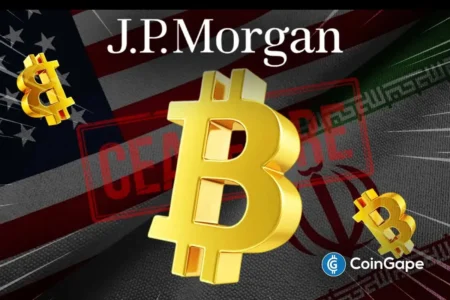
Despite the promising signals, caution is still warranted. JPMorgan has issued a warning that a failure in the ceasefire talks could lead equity markets—and by extension, Bitcoin—toward troubling territory, potentially pushing prices to new lows. Given Bitcoin’s tendency to mirror behaviors in the equity markets, this warning carries significant weight. Should the negotiations dissolve and hostilities re-escalate, panic selling could dominate the market, contributing to a significant price pullback. Thus, strategies for both short and long-term trading must encompass these geopolitical factors, helping traders navigate potential volatility.
The Future of Bitcoin Amid Geopolitical Dynamics
As Bitcoin continues to respond to the unfolding narrative of U.S.-Iran relations, its price remains at a crucial juncture. The potential outcomes of the ceasefire discussions are pivotal in shaping trader sentiment and market behavior. Should peace be established, the buying pressure could further increase, driving prices higher. Conversely, any indication of renewed conflict could lead to swift price corrections, emphasizing the inherent risks associated with investing in cryptocurrencies amidst unpredictable geopolitical tensions. Consequently, an understanding of these broader dynamics is essential for crypto investors keen on positioning themselves advantageously in an ever-evolving market landscape.
In conclusion, while the optimism surrounding Bitcoin’s recent price surge warrants attention, the precarious nature of ongoing geopolitical developments calls for careful consideration. Investors and traders must remain vigilant about market indicators and external influences shaping Bitcoin’s performance, leveraging insights into the evolving U.S.-Iran dialogues to inform their next steps. As the search for stability continues, the cryptocurrency universe remains an exciting but challenging prospect for both seasoned investors and novices drawn to digital assets’ potential.