



Bitcoin and Gold Prices Surge Amid Venezuela’s Crisis: A Safe-Haven Strategy
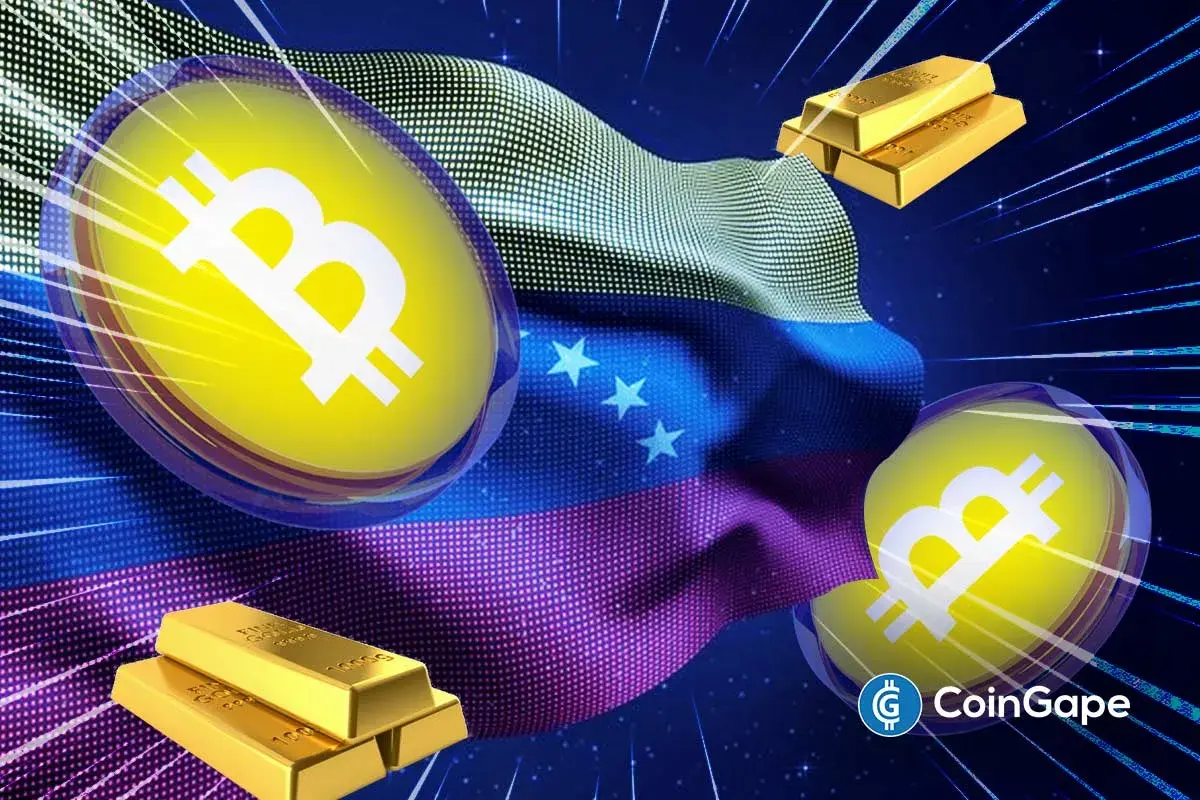
This week saw a notable surge in both Bitcoin and Gold prices, propelled by the escalating crisis in Venezuela. As political unrest continues to fuel uncertainty, investors are increasingly flocking to safe-haven assets, leading to a robust performance in the cryptocurrency and precious metals markets. With the crypto market gaining 1.39% in just 24 hours and an impressive 8.23% over the past week, indications are clear that the turmoil in Venezuela is significantly influencing market sentiment.
A key factor behind the spike is the substantial inflow of capital into Bitcoin, notably from major financial institutions like BlackRock. Recently, BlackRock and various ETFs made headlines by acquiring a massive $694 million in Bitcoin, marking the largest inflow in three months. Such movements not only underline the growing institutional interest in cryptocurrencies but also reinforce Bitcoin’s standing as a hedge against political and economic instability. This surge in demand contributed to Bitcoin holding steady above $93,000, while Gold reached a one-week peak at $4,450, further amplifying the correlation between traditional and digital safe-haven assets.
The escalating tensions in Venezuela have amplified geopolitical risks, making assets like Bitcoin and Gold particularly appealing to risk-averse investors. As U.S. forces arrest President Nicolás Maduro, the situation continues to deteriorate, transforming Venezuela into a focal point for market sentiment. Maduro’s recent plea of not guilty to narco-terrorism charges has set the stage for a protracted legal and diplomatic battle. Such uncertainties compel investors to prioritize security by turning their eyes toward safe-haven investments, bolstering the performance of both Bitcoin and Gold.
In terms of Bitcoin’s trajectory, the cryptocurrency’s recent climb above $93,000 has reignited bullish sentiments in the market. Analysts and investors are optimistic that sustained buying pressure could lead Bitcoin to retest $95,000 and potentially break the pivotal $100,000 barrier. This bullish outlook is supported by several factors, including increased ETF inflows, declining exchange supply, and a rise in open interest. Additionally, expectations of a dovish Federal Reserve, which may cut interest rates in 2026, contribute to a weakening U.S. dollar, thereby boosting demand for Gold and further increasing optimism for Bitcoin’s potential growth.
As the focus shifts to macroeconomic indicators, upcoming reports on U.S. Nonfarm Payrolls are poised to be crucial. Analysts project an addition of approximately 55,000 new jobs, with a decline in unemployment rates to 4%. A weaker-than-expected labor report could bolster the case for forthcoming rate cuts, further enhancing the appeal of both Bitcoin and Gold. The current climate of global insecurity and capital migration suggests that the cryptocurrency market is increasingly adopting a role traditionally held by Gold as a macro hedge.
As the situation in Venezuela unfolds, it becomes apparent that it is no longer just a political crisis but a significant financial trigger that has redefined asset class positions, notably in crypto and precious metals. With the ongoing developments, investors are reminded of the power of geopolitical events to reshape market dynamics and influence investment strategies. The convergence of these factors illustrates the intricate relationship between politics and finance in today’s global market landscape, leaving investors to navigate the complexities of security in the face of uncertainty.
In conclusion, the conjunction of Venezuela’s crisis and institutional investments into Bitcoin underscores the essential role of safe-haven assets during periods of turmoil. As Bitcoin and Gold continue to shine amid global unrest, investors are finding new strategies to mitigate risks while capitalizing on potential returns. This evolving market narrative, influenced by geopolitical and economic factors, highlights the intricate dance between traditional and digital assets as they redefine their roles in investors’ portfolios.