




Bhutan’s Bitcoin Holdings: Key Moves Amid Market Fluctuations
In recent developments, Bhutan has chosen to reduce its Bitcoin holdings as the cryptocurrency price approaches the critical $69,000 mark. The backdrop of these sales features fluctuating oil prices largely influenced by ongoing geopolitical tensions, particularly the war in Iran, leading to uncertainty in global markets. Despite a price rebound, skepticism persists among observers about Bitcoin’s ability to maintain momentum amid volatile energy prices.
Bhutan’s Ongoing Bitcoin Divestment
Recent data from Arkham Intelligence reveals that Bhutan has transferred 175 BTC, valued at approximately $11.85 million, from its primary holding addresses. This significant divestment indicates the government’s intent to offload portions of its Bitcoin stockpile after previous sales, including a transaction of about $6.7 million to QCP Capital. Historically, Bhutan has adopted a strategy of gradual sales, typically between $5 million and $10 million, suggesting a cautious approach toward its digital asset management. This pattern of offloading has been noted since as early as 2025, with increased sales activity occurring in September of that year.
Contrasting Strategies in the Bitcoin Market
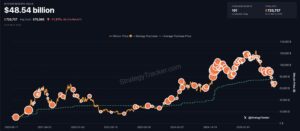
While Bhutan continues selling its Bitcoin holdings, notable figures in the industry, such as Michael Saylor, are displaying a contrasting approach. Saylor has recently purchased 17,994 BTC, bringing his total holdings to an impressive 738,731 BTC. His aggressive accumulation strategy stands in stark contrast to Bhutan’s more conservative method of divestment, highlighting varying market strategies employed by different actors in the cryptocurrency space.
Bitcoin Price Recovery: Key Resistance Levels
As Bhutan trims its Bitcoin positions, the cryptocurrency is experiencing a price rebound. As of the latest data, Bitcoin trades at approximately $68,879, marking a 2.64% increase within a 24-hour timeframe. This recovery signals a push towards a significant resistance barrier near the $69,000 level, with the $70,000 mark standing as a critical threshold. For short-term price stability, immediate support levels between $67,000 and $66,500 are essential. Despite this positive price trajectory, experts from CryptoQuant highlight that the broader market remains exposed to risks associated with global macroeconomic conditions.
The Impact of Oil Prices on Bitcoin Sentiment
Amidst Bitcoin’s price movements, oil prices have also entered a period of volatility. Recent commentary indicated that U.S. oil prices have fluctuated sharply, with a notable reversal observed shortly after President Donald Trump announced a press conference regarding the situation. Discussions among G7 nations concerning the potential release of up to 400 million barrels from global reserves have been ongoing, but conclusive agreements remain elusive. The uncertainty surrounding oil prices not only impacts traditional markets but also significantly influences Bitcoin prices, as rising oil prices tend to correlate with the later stages of Bitcoin market cycles, impacting investor sentiment and risk appetite.
Geopolitical Tensions: A Double-Edged Sword
Geopolitical factors, particularly the ongoing conflicts and uncertainties, play a crucial role in shaping the investment landscape for cryptocurrencies. The current volatility in oil prices and the potential implications of blocked shipments through key trade routes like the Strait of Hormuz can further complicate market conditions. Analysts suggest that such scenarios typically lead investors to reevaluate their exposure to volatile assets, including Bitcoin. As investor confidence fluctuates in response to these dangers, Bitcoin faces challenges in maintaining its upward trajectory.
Conclusion: Navigating Volatility in Digital Assets
In summary, Bhutan’s continued divestment of Bitcoin holdings amid rising prices illustrates a cautious approach to cryptocurrency investment. While the price of Bitcoin aims for key resistance levels, external factors such as fluctuating oil prices and geopolitical uncertainties present considerable risks for investors. As market dynamics shift, it remains essential for stakeholders to stay informed about both macroeconomic trends and the evolving landscape of digital assets. As companies and governments navigate these challenges, strategies will likely be refined, and market approaches adapted to better withstand the impact of external pressures on Bitcoin and similar cryptocurrencies.