



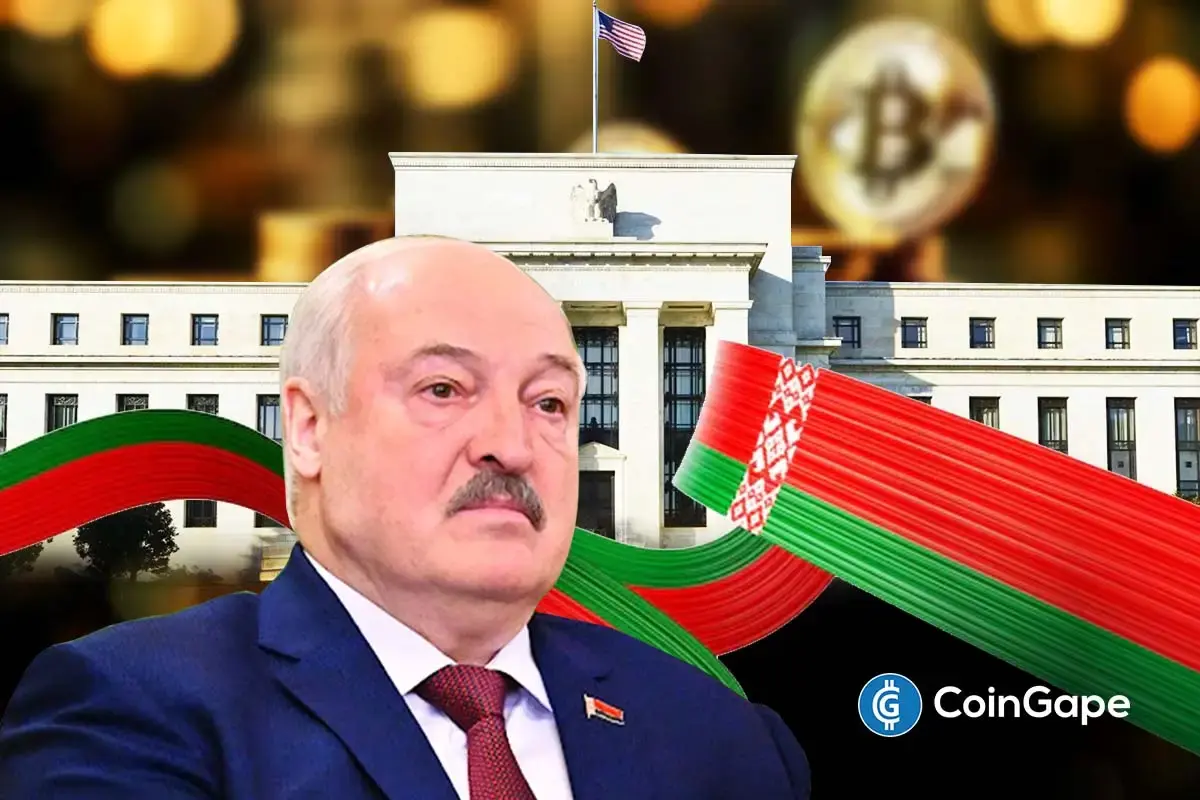

Belarus Introduces Crypto Banks: A Step Toward Digital Financial Innovation
In a significant move to bolster its financial technology landscape, Belarusian President Alexander Lukashenko has signed Decree No. 19, officially creating a regulatory framework for crypto banks. This decree facilitates the integration of crypto assets into traditional finance (TradFi), reinforcing Belarus’s ambition to become a global leader in financial IT technologies. The newly defined crypto banks are set to combine digital tokens with conventional banking services, offering a unique amalgamation of the old and new financial paradigms.
What is a Crypto Bank?
Under this decree, a cryptobank is classified as a joint-stock company authorized to engage in activities that merge the use of digital tokens with banking and payment transactions. This regulatory framework is built upon a prior decree from December 2017, which legalized digital assets in Belarus. The establishment of crypto banks not only expands the scope of financial services available in the country but also aligns Belarus with global trends that are increasingly favoring digital currencies.
To capitalize on its innovative approach, Belarus is positioning itself strategically amid global shifts, such as the U.S. exploring a Bitcoin reserve. Lukashenko’s proactive stance, including a push for increased crypto mining, emphasizes that the nation is ready to leverage its natural resources—particularly surplus electricity—to engage in cryptocurrency production.
Regulatory Framework for Crypto Banks
The operational framework laid out in the new decree sets clear guidelines on how crypto banks will function. To gain entry into the market, these banks must achieve resident status within Belarus’s High-Tech Park and obtain registration from the National Bank as a crypto institution. This dual-regulatory approach combines local governance with a broader vision of financial innovation, allowing the crypto banks to focus on delivering innovative financial products tailored to the demands of modern consumers.
In complying with existing legislation governing non-bank credit institutions, these crypto banks are tasked with adhering to the rules set forth by the Supervisory Board of the High-Tech Park. This layered regulation is designed to ensure that consumers not only benefit from technological efficiencies but also receive the necessary consumer protections typically offered by traditional banking institutions.
Bridging Traditional Finance with Crypto
By introducing crypto banks, Belarus is creating an infrastructure that allows clients to enjoy the advantages of both traditional banking and cryptocurrency transactions. This model aims to marry the reliability of established financial practices with the speed and convenience of digital transactions, thereby attracting both local and foreign investors. The country’s aim is to come up with innovative financial products that resonate with tech-savvy consumers looking for seamless financial solutions.
As global competition escalates, Belarus can leverage its existing crypto exchanges, which are already operational within the country. This paves the way for a robust ecosystem where crypto banks can thrive, ultimately enhancing the financial landscape in Belarus and contributing to its economy.
Regional Implications and Strategic Positioning
Belarus’s move toward crypto adoption does not occur in isolation; it is part of a broader regional trend. Countries like Russia are also adopting more crypto-friendly regulations, with plans to allow investments in Bitcoin and other digital assets legally. This simultaneous shift underscores the growing importance of digital currencies in the region, creating an environment ripe for collaboration and innovation among neighboring nations.
By positioning itself as a hub for crypto finance, Belarus is not only enhancing its international reputation but also taking proactive steps to attract investment in this emerging sector. The government’s commitment to fostering an environment conducive to technological advancement stands to benefit not just the local market but also the international community interested in crypto opportunities.
Challenges Ahead: Monitoring and Regulation
Despite the optimistic outlook surrounding the establishment of crypto banks, challenges remain. Recent actions by the Belarusian government to block access to major crypto exchanges like Bybit, Bitget, and OKX highlight the ongoing need for balanced regulation. This move, made under the Mass Media Act, raises questions about the future accessibility of cryptocurrency platforms for Belarusian residents and the implications for crypto bank operations.
Achieving regulatory compliance while promoting growth in the crypto sector requires a delicate balancing act. Stakeholders in the financial industry will need to collaborate closely with government agencies to ensure that regulations are conducive to innovation and do not stifle the burgeoning fintech ecosystem.
Looking to the Future: Embracing Digital Assets
As Belarus charts its course in the world of digital finance, the establishment of crypto banks signifies a robust commitment to embracing digital assets. The strategic outlook on crypto mining and comprehensive regulatory frameworks highlight the government’s intent to not just keep pace with global trends but to lead them. The interplay between crypto banks, regulatory frameworks, and consumer demand will shape the future of the financial landscape in Belarus.
This shift not only positions Belarus favorably amidst international competitors but also opens doors for new economic opportunities. As the world increasingly leans towards digital assets, Belarus appears to be on a promising path to enhance its technological and economic standing. As this landscape evolves, stakeholders must remain adaptable and vigilant to ensure that both innovation and regulatory compliance go hand in hand.