



Barclays Acquires Stake in Ubyx: A New Era for Stablecoins
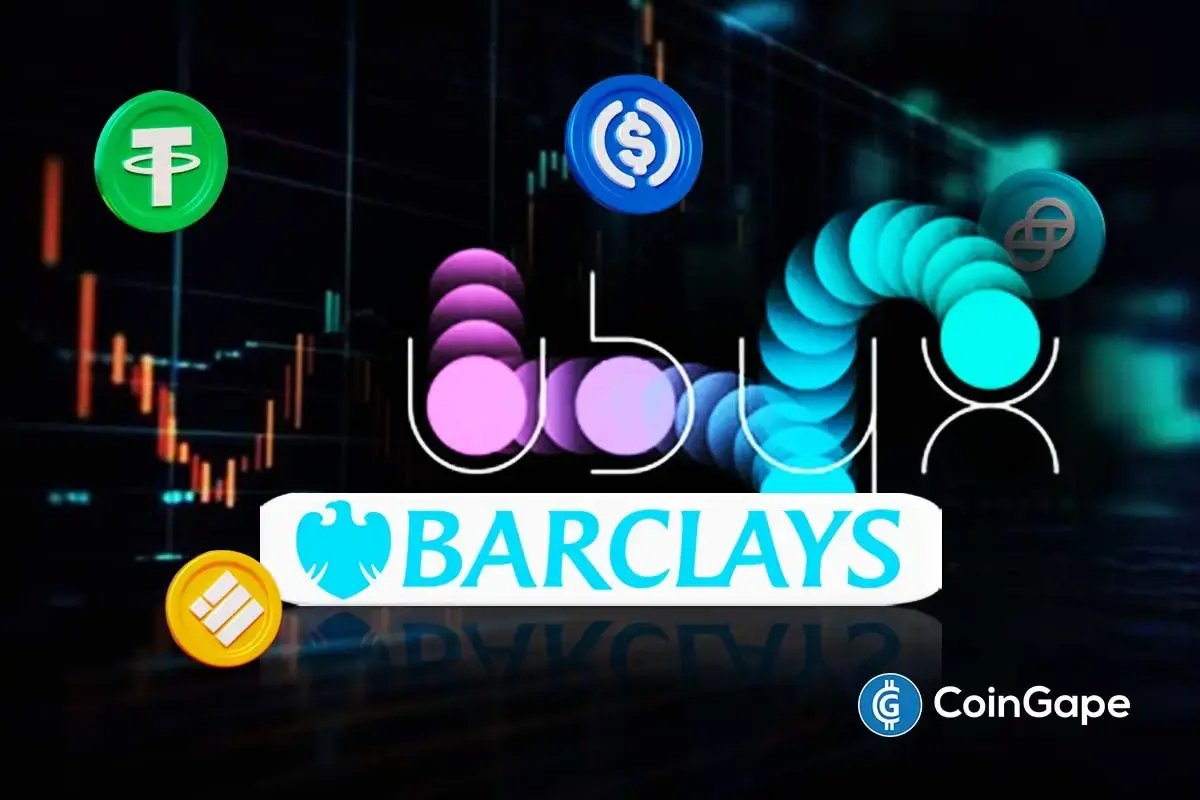
Barclays has made a strategic leap into the digital currencies landscape by acquiring a stake in Ubyx, a U.S.-based stablecoin settlement company. This marks Barclays’ first investment of this kind and signifies the bank’s commitment to exploring innovative forms of digital money. As interest in tokenization and regulated stablecoins escalates, Barclays aims to be at the forefront of this evolving financial sector.
Establishing a Global Network for Regulated Digital Money
In its quest to build a global network for accepting regulated digital assets, Barclays is collaborating with Ubyx to enhance the infrastructure for digital wallets. The bank acknowledges the importance of this initiative, as it enables customers to redeem assets at face value via regulated channels. As digital transactions become more integrated into everyday banking, the interoperability between traditional and digital banking systems will play a crucial role.
Ryan Hayward, Head of Digital Assets and Strategic Investments at Barclays, emphasizes that specialist technology will be essential for creating the connectivity and infrastructure needed for regulated financial institutions to interact seamlessly. This investment not only solidifies Barclays’ position in the market but also highlights its commitment to embracing the future of finance.
A Surge in Demand for Tokenization and Stablecoins
The investment in Ubyx comes at a time when the demand for tokenized assets and regulated stablecoins is surging. The growing acceptance of cryptocurrencies has prompted banks and financial institutions to reevaluate their strategies. With clearer regulatory frameworks emerging, both Barclays and Ubyx are focused on responsibly developing tokenized money while adhering to legal guidelines.
This shift is being propelled by several major banks exploring the potential of stablecoins. Barclays is among 10 industry giants, including Goldman Sachs and UBS, that are contemplating the issuance of a stablecoin tied to G7 currencies. This collective effort underscores the urgency to innovate in the realm of digital finance while ensuring compliance with regulations.
Collaborative Efforts to Enhance Stability in Digital Finance
The move to collaborate among banks is also evident across Europe, where nine significant banks have united to issue a MiCA Regulation-compliant Euro stablecoin. Participants in this initiative include notable names such as ING, Banca Sella, KBC, Danske Bank, DekaBank, UniCredit, SEB, CaixaBank, and Raiffeisen Bank International. This cooperative spirit not only enhances the stability of the financial ecosystem but also fosters consumer trust in digital currencies.
With cryptocurrencies drawing increasing interest, various banks and institutions are ramping up their efforts to incorporate stablecoins into their offerings. The GENIUS Act, which supports regulated stablecoins, is one example of the legislative framework emerging to encourage adoption. Furthermore, new regulations globally are facilitating the integration of cryptocurrencies into various sectors, thereby opening up new opportunities for financial services.
Market Landscape and Growth Potential of Stablecoins
The rising interest in digital currencies cannot be ignored, especially as the total market cap of stablecoins has now surpassed $312 billion, according to CoinGecko data. Tether’s USDT dominates this landscape with a market cap of approximately $187 billion, representing over 60% of the stablecoin market. This dominance illustrates the public’s growing trust in stablecoins as a viable asset class.
The future of stablecoins appears bright, fueled by innovative initiatives and the backing of major financial institutions. As banks like Barclays explore new avenues in digital finance, they contribute to a more regulated and safer environment for consumers. The long-term viability of stablecoins will depend not only on market trends but also on how effectively regulatory bodies can adapt existing frameworks to accommodate this new paradigm.
Conclusion: The Path Forward for Digital Currency
In conclusion, Barclays’ investment in Ubyx is a significant step in the evolution of digital finance, signaling a new wave of interest in tokenized assets and regulated stablecoins. As financial institutions collaboratively navigate this landscape and adopt innovative technologies, it becomes apparent that the future of banking may be intertwined with the digital world. Barclays’ strategic initiatives and partnerships aim to not only foster innovation but also ensure that customers have safe and efficient access to digital assets.
As the global financial ecosystem continues to evolve, it will be crucial for banks, regulators, and technology providers to work hand-in-hand. The potential of digital currencies is immense, and as regulations become clearer, the collaborative efforts to standardize and stabilize this market will offer consumers new possibilities for financial engagement.