



The Status of the CLARITY Act: Negotiations and Implications for Crypto and Banking
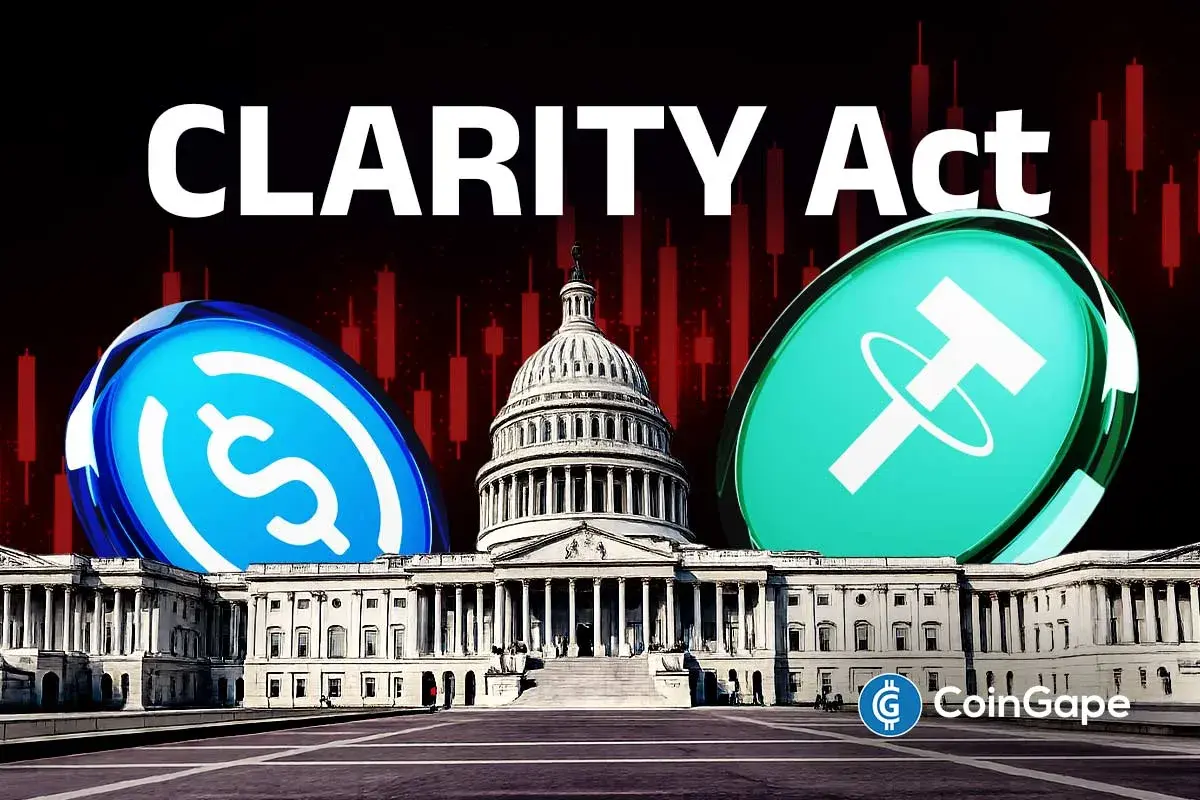
As the deadline approaches for the CLARITY Act, the crypto and banking sectors find themselves at an impasse. Negotiations, which have already spanned three meetings, have not yielded a consensus on the draft language essential for delineating oversight responsibilities. This pivotal legislation aims to alleviate tensions between traditional banks and digital asset companies, particularly concerning the regulatory framework governing stablecoin yields. With the March 1 deadline fast approaching, industry stakeholders are keenly monitoring developments to determine the bill’s fate.
The ongoing discussions, as reported by Crypto in America, have centered on stablecoin yield negotiations, which remain unresolved. The narrative indicates that while representatives from both sectors have engaged constructively, no significant breakthroughs have been made. A critical point of contention revolves around whether activity-based rewards should be permissible. While there is increasing consensus that generating yield from idle stablecoin balances may be infeasible, opinions diverge on rewards linked to user engagement or transaction activities. The lack of agreement on these key aspects may stall progress further.
In a bid to address the legislative gridlock, the White House has introduced its draft of the CLARITY Act, advocating for closed-door discussions with key stakeholders such as Coinbase, Ripple, and banking groups. These meetings aim to expedite the legislative process, which officials hope to resolve before the March 1 internal deadline. Although the talks have been described as constructive, participants have yet to finalize any agreements. Notably, pending discussions about anti-evasion penalties in the draft may shape the future regulatory landscape, particularly as focus shifts toward decentralized finance (DeFi) and ethical provisions that will be crucial for these industries.
A sense of political uncertainty has emerged, impacting the perceived likelihood of the CLARITY Act’s passage. Prediction markets are reflecting this growing skepticism; Polymarket indicates only a 51% chance for the bill to become law by 2026, a 14% drop from previous estimates. Meanwhile, Kalshi provides a 35% likelihood of the bill passing before May. Market sentiment has also been dampened by recent events, such as President Donald Trump’s omission of cryptocurrency in his State of the Union address. Concerns regarding the broader macroeconomic climate, coupled with geopolitical instability, are exerting additional pressure on digital asset markets.
Industry voices are weighing in on the implications of the CLARITY Act. Individuals such as Satoshi Flipper suggest that favorable geopolitical developments, particularly between the U.S. and Iran, could boost market sentiment and facilitate the bill’s passage. In contrast, 360trader forecasts that if passed, the legislation could enable banks to lawfully issue stablecoins, predicting a substantial market growth to $300 billion in stablecoin supply by 2025. Convicted FTX founder Sam Bankman-Fried remarked that the bill could represent a significant turning point for both the crypto industry and Donald Trump, emphasizing the need for regulatory clarity and minimizing bureaucratic overreach.
However, traditional banks have expressed concerns regarding high-yield stablecoin products, arguing that these innovations could siphon deposit revenue away from conventional lending institutions. Conversely, crypto advocates contend that outright prohibitions on rewards would stifle competition in the evolving financial landscape. As negotiations continue, the stakes remain high, with the looming March 1 deadline putting additional pressure on both sides. The outcome of these discussions will not only shape the regulatory framework for stablecoins but also define the future relationship between traditional finance and digital assets.
In conclusion, as the CLARITY Act negotiations continue to unfold, industry stakeholders are keenly aware of the implications for both the crypto and banking sectors. The unresolved issues related to stablecoin yields and the shifting political landscape underscore the complexities involved in reaching a consensus. It remains to be seen whether the upcoming talks will provide the clarity and assurances needed to advance the legislation, but one thing is certain: the evolving relationship between traditional finance and digital assets is at a critical juncture, with the potential to reshape the financial ecosystem for years to come.