

The Impact of Rising Oil Prices on Fed Rate Hikes and the Crypto Market
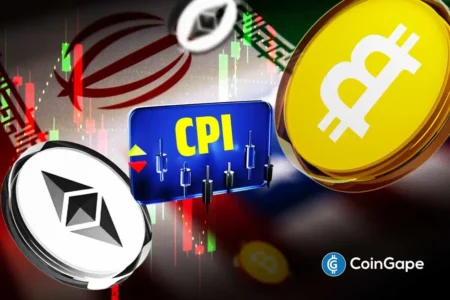
The financial landscape is experiencing notable turbulence as rising oil prices stir concerns over inflation and recession, specifically highlighted by Bank of America’s recent analysis. The Wall Street giant indicates that ongoing geopolitical tensions, particularly the U.S.-Iran conflict, combined with stable labor market conditions and Jerome Powell’s continued tenure as Fed chair, could trigger an increase in the Federal Reserve’s interest rates. This potential hike poses significant implications, particularly for global and cryptocurrency markets.
Bank of America’s Analysis on Rate Hikes
Bank of America has outlined several critical factors that could propel a Federal Reserve rate hike. The stability of the labor market, the ongoing conflict in Iran maintaining elevated oil prices above $80, and Jerome Powell’s retention as Fed chair are key elements they are monitoring. During a recent FOMC meeting, Powell made it clear that unless inflation shows signs of improvement, the Fed would not consider rate cuts. This assertion raises the possibility of a looming rate hike, especially if the geopolitical landscape does not improve, a sentiment echoed by Bank of America.
U.S.-Iran Conflict and Economic Implications
The ongoing situation between the U.S. and Iran remains pivotal in shaping economic forecasts. Bank of America noted that if the war persists, the implications could lead to sustained oil shocks, further complicating the inflationary environment. With oil prices hovering around or above critical benchmarks, stakeholders are increasingly concerned about the economic repercussions. If the conflict continues, it could not only exacerbate inflation but also restrict the Fed’s ability to adjust rates appropriately, causing further volatility in markets globally, including cryptocurrencies.
Crypto Market Reactions and Trading Sentiments
In the face of these geopolitical and economic uncertainties, crypto traders are adjusting their expectations regarding the Fed’s monetary policy. As reported by CoinGape, the anticipation of interest rate hikes has shifted sentiment significantly. Factors affecting the cryptocurrency market include expectations that Fed cuts may be unlikely this year, with polling indicating a 35% chance for zero cuts. This uncertainty surrounding rates is creating pressure in the crypto market, where Bitcoin has struggled to maintain stability above $70,000 amid overall bearish sentiment.
Current Market Dynamics and Crypto Performance
Despite experiencing temporary relief, the crypto market recently witnessed a setback, with its market cap dropping from a high of $2.4 trillion to $2.37 trillion, reflecting the broader fears pervading the financial landscape. Expectations of a rate hike have climbed notably, from an initial 8% to 19%, underscoring the growing anxiety around inflation and recession risks. Market participants are wrestling with volatility as traders try to navigate these shifting dynamics while weighing the broader implications of a potential Fed rate hike on cryptocurrency valuations.
Fed Officials’ Perspectives on Rate Hike Trajectories
Interestingly, not all Fed officials share the pessimistic forecast regarding rate hikes. In a recent CNBC interview, Fed Governor Chris Waller described the rate hike possibility as overstated. He argued that there is no immediate need to raise interest rates, underpinned by concerns for economic stability and the need to closely monitor macroeconomic conditions. Notably, Waller has voted to keep rates steady, showing a more cautious approach compared to other officials who are factoring in rising inflation risks and global uncertainties in their assessments.
The Future Outlook for Cryptocurrency and Fed Policy
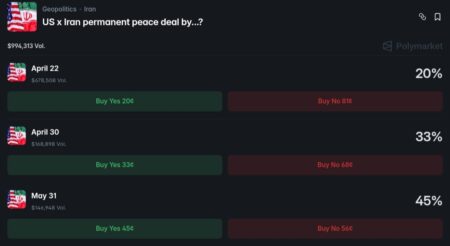
As the potential for U.S.-Iran ceasefires dwindles, cryptocurrency traders are increasingly betting on a more protracted conflict, which may elevate the likelihood of a Fed rate hike. Data from Polymarket points to a decrease in the probability of a ceasefire to just 42%. With economic conditions remaining fluid, the markets, including cryptocurrencies, will continue to react to these developments. Stakeholders must remain vigilant, given that persistent inflation, geopolitical tensions, and evolving monetary policy will largely dictate market movements in the foreseeable future.
As we navigate through these turbulent times, it is clear that the interplay between rising oil prices, geopolitical conflicts, and monetary policy will significantly shape global financial markets, including the burgeoning crypto industry. The focus remains on how the Federal Reserve responds to these challenges and the implications for investors and traders alike.