


Cardano’s Charles Hoskinson Critiques Legacy Finance: A Clash with XRP and Midnight Over Tokenization
Introduction
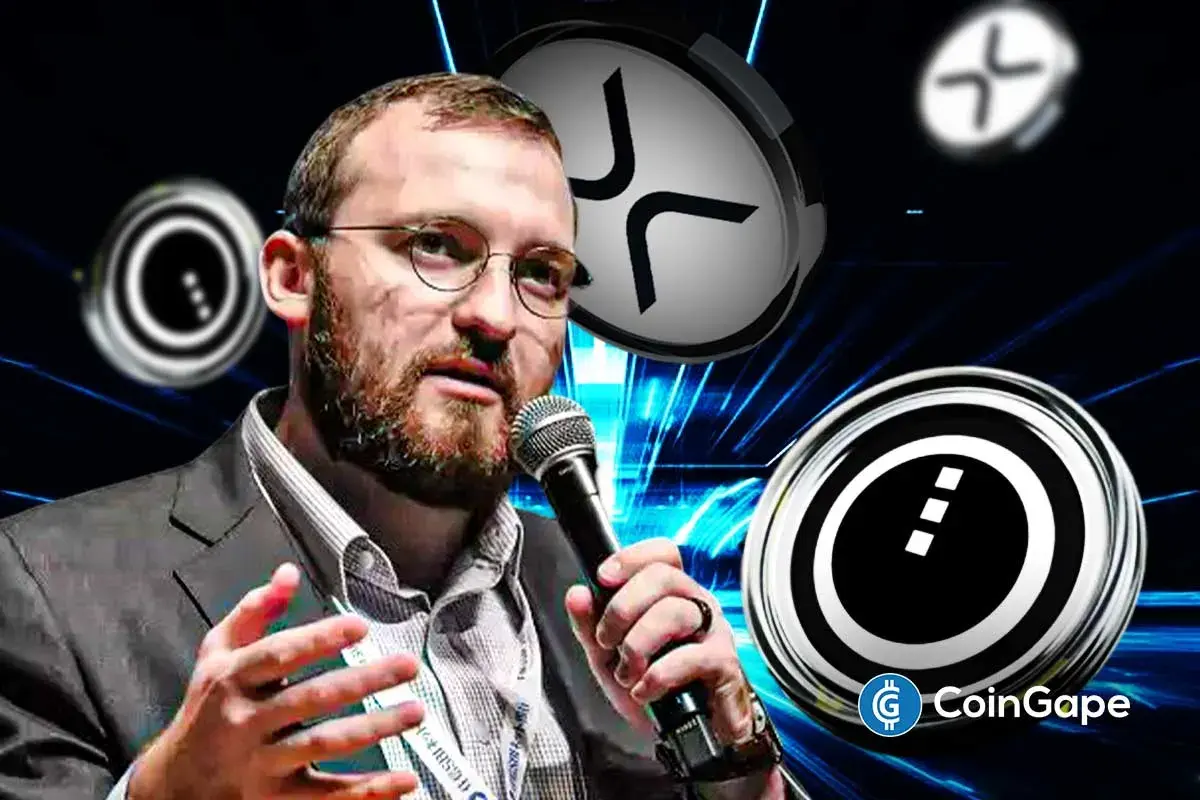
The cryptocurrency landscape is no stranger to heated debates and rivalries. Recently, Charles Hoskinson, the founder of Cardano, reignited discussions within the crypto community by offering pointed critiques of legacy finance’s tokenization efforts, particularly in relation to the Canton Network. His remarks positioned XRP and Midnight as far ahead in the tokenization space while questioning the strategies being adopted by traditional finance institutions. This article examines Hoskinson’s statements, the responses from prominent figures in the industry, and the emerging landscape of tokenization.
Hoskinson’s Views on Tokenization
In a provocative post on social media platform X, Hoskinson criticized legacy finance entities, stating they are aiming to achieve what XRP and Midnight are already executing at a “scale 100x beyond their ambitions.” His comments reflect a belief that traditional finance is fundamentally misunderstanding the decentralized ethos of Web3 and tokenization. He argued that trying to mimic innovation from crypto-native projects would likely yield inadequate results. According to him, genuine progress in the tokenization space necessitates a robust strategy, effective partnerships, and an engaged community—factors he believes are often lacking in traditional finance.
The $10 Trillion RWA Market
While discussing the potential of tokenization, Hoskinson focused on the Real-World Assets (RWA) market, which he estimated to be worth approximately $10 trillion. He emphasized that engaging with such a vast market requires more than half-hearted efforts or subpar technologies. By positioning Cardano and XRP as leaders, he implied that these platforms are better suited to address the complexities of tokenizing real-world assets. His assertion raises crucial questions about the readiness of several projects to navigate the intricacies of this emerging space while fulfilling the requirements of both investors and regulatory bodies.
The Canton Network’s Response
Yuval Rooz, the CEO of Digital Asset—creators of the Canton Network—did not remain silent in the wake of Hoskinson’s criticisms. He questioned the efficacy of Hoskinson’s own platform, challenging him to showcase tangible achievements in the realm of decentralized finance (DeFi) and decentralized exchanges (DEXs). Rooz’s comments underline the competitive nature of the crypto industry and the scrutiny faced by projects that may not yet have proven their value in real-world applications. This exchange illustrates the intertwined complexities of innovation and validation that define the blockchain space.
Counterarguments from Canton Stakeholders
Heslin Kim, co-founder of Zenith and part of the Canton Network, further rebutted Hoskinson’s comments by asserting that Canton already enjoys notable adoption and validation from key market participants. Kim highlighted partnerships with reputable entities like DTCC, which has been pivotal in tokenizing U.S. treasury securities. He claimed that Canton’s product is superior to those offered by both XRP and Midnight, given a decade of refinement and optimization. Kim’s defense underscores the competitive landscape of tokenization and the different paths available for achieving success in this rapidly evolving arena.
Market Data and Positioning
Recent data from RWA.xyz supports Kim’s position, revealing that the Canton Network currently leads other platforms in terms of real-world asset value—boasting an impressive $388 billion. Meanwhile, neither the XRP Ledger nor Cardano is listed among the top networks by this metric. This data highlights the reality of market dynamics and the shifting focus toward platforms that can effectively deliver value in the tokenization space.
Conclusion
Hoskinson’s remarks have initiated a broader dialogue about the future of tokenization, sparking debates about the roles and responsibilities of various players in the evolving landscape of blockchain technology. While his critiques of legacy finance resonate with many in the crypto community, the responses from stakeholders like Rooz and Kim point to a competitive landscape that is anything but settled. As new partnerships and innovations unfold, the coming years will be pivotal in determining which blockchain projects successfully navigate the complexities of tokenization and emerge as industry leaders. In this rapidly changing environment, the ability to adapt, innovate, and engage with stakeholders will be critical for success.