



Understanding Australia’s Social Media Minimum Age Law: A Blockchain Solution for Age Verification
Australia recently introduced groundbreaking legislation known as the Social Media Minimum Age (SMMA) law, which aims to safeguard minors by prohibiting users under the age of 16 from creating or maintaining accounts on major social media platforms. This significant update marks a pivotal shift in online age compliance and places the responsibility of restricting underage access primarily on the social media platforms themselves. However, the challenge lies in the feasible and safe verification of users’ ages without compromising personal privacy.
The Challenge of Age Verification in Social Media
The enforcement of the SMMA law poses critical challenges for social media companies that have traditionally relied on users to self-declare their birthdates. This self-reported method has proven to be unreliable and easily circumvented by users, especially minors who seek access to social media platforms. Regulatory bodies are cautious about solutions that necessitate users uploading sensitive personal information, such as government-issued IDs or biometric data, which can lead to potential privacy risks. The need for a secure yet effective age verification system has become paramount.
The Role of ShareRing in Age Verification
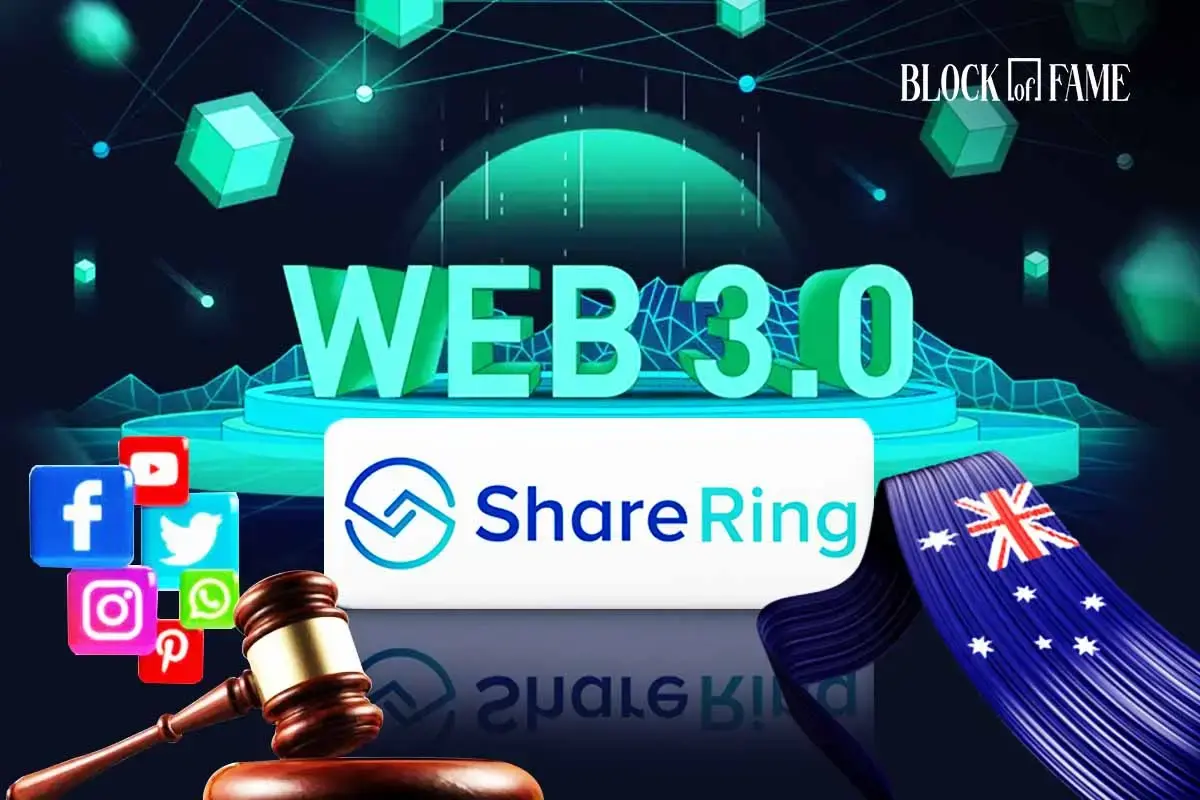
In response to these exigent circumstances, Australia conducted an Age Assurance Technology Trial to evaluate multiple age verification methods, including those from various tech vendors. Among them was ShareRing, a Melbourne-based blockchain company focused on digital identity solutions. ShareRing’s unique approach involves self-sovereign identity (SSI), allowing for a one-time verification process through a trusted entity, which then issues a cryptographic credential confirming a user’s age. This innovative method facilitates compliance without the need for platforms to store sensitive personal information.
Achievements and Privacy Compliance
During the trial, ShareRing achieved a remarkable 100% success rate in verifying users’ ages while ensuring that no personal data was passed onto the social media platforms involved. This selective disclosure approach maintains user privacy by only confirming whether a user falls above or below the age threshold. By leveraging blockchain technology, ShareRing demonstrates the potential for robust privacy-preserving methods to strengthen age compliance in social media networks, helping platforms to meet the regulations without compromising user identities.
Looking Towards the Future of Age Verification Solutions
While ShareRing has positioned itself as a leading figure in the quest for privacy-first age verification systems, adoption of these solutions remains contingent upon the commercial and regulatory decisions of social media platforms. The results of the Age Assurance Technology Trial indicate that governmental and regulatory authorities are increasingly recognizing the feasibility of blockchain technology in public-interest applications. This reflects a broader trend in which blockchain infrastructure is being utilized not only for financial transactions but for regulatory compliance as well.
The Importance of Privacy and Compliance
The successful application of innovative solutions like ShareRing’s highlights the vital intersection of privacy and regulatory compliance in the digital age. As social media continues to evolve, identifying secure methods for age verification will be crucial in protecting minors. Additionally, these advancements underline the importance of providing a pathway that prioritizes user privacy while simultaneously fulfilling legal obligations.
Conclusion: Embracing Blockchain for a Safer Digital Space
Australia’s SMMA law represents a significant step toward enhancing online safety for young users, while companies like ShareRing are providing viable solutions to meet the associated challenges. The advent of such privacy-centric age verification technologies can pave the way for improved compliance on social media platforms, safeguarding sensitive user information while ensuring that underage users do not have access to platforms designed for older audiences. As the landscape evolves, the integration of blockchain technology could facilitate a new era of privacy and compliance in the realm of digital interactions.