



U.S. President Donald Trump Announces 10% Global Tariff to Counter Supreme Court Ruling
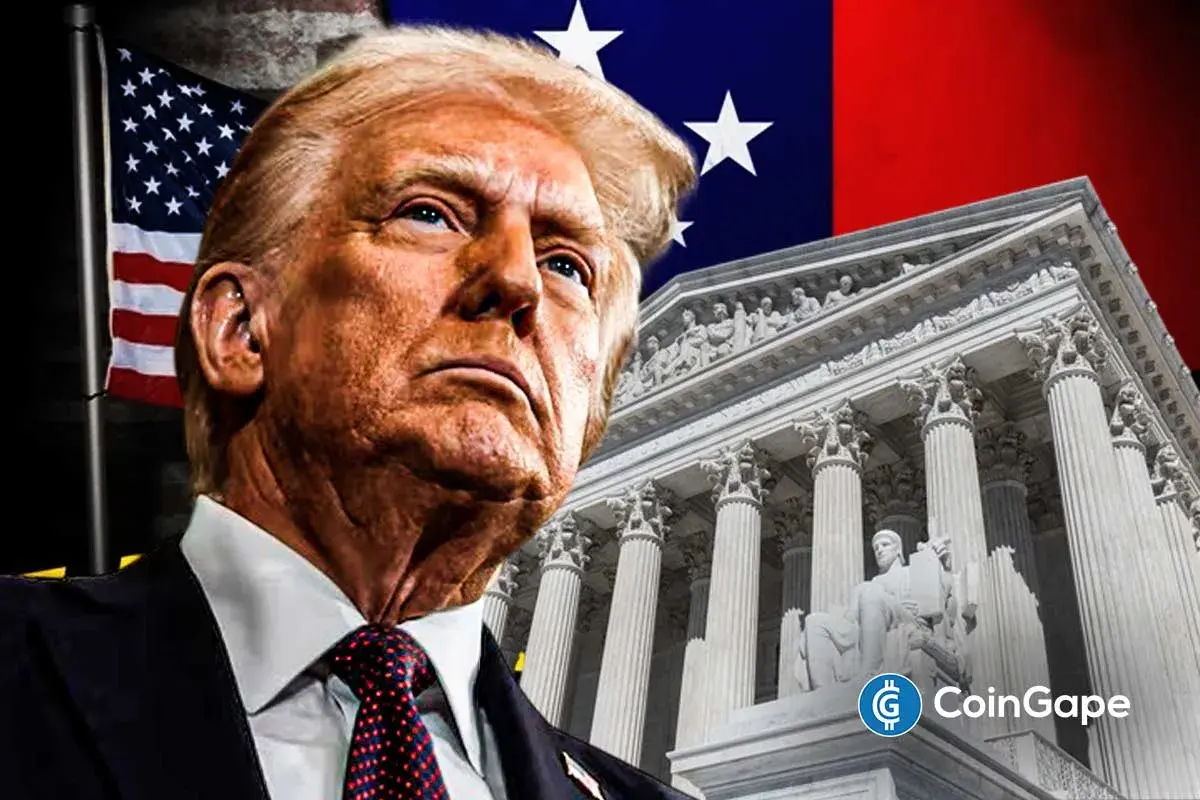
In an unexpected turn of events, President Donald Trump has declared intentions to implement a 10% global tariff, responding to a recent Supreme Court ruling that struck down certain tariffs established under the International Emergency Economic Powers Act (IEEPA). This development marks a significant shift in U.S. trade policy, particularly as it reiterates existing tariffs enacted under the Trade Expansion Act of 1962. As businesses and economists absorb these changes, it’s essential to understand the implications surrounding this new tariff, its enforcement timeline, and what it means for both domestic and international trade.
The Announcement of a 10% Global Tariff
In a post on Truth Social, Trump indicated that he would sign an executive order to introduce a 10% global tariff, which is set to take effect in three days. This tariff is intended to supplement the current tariffs already imposed by the U.S. government. During a subsequent press conference, he clarified that while the Supreme Court’s ruling limited his authority under the IEEPA, it did not eliminate the overarching tariff framework already in place. The imposition of this global tariff could alter trade dynamics significantly and affects various sectors reliant on international exchanges.
Continued Enforcement of Existing Tariffs
In his remarks, Trump emphasized that all national security tariffs under Section 232 and the existing Section 301 tariffs will remain active and enforceable. These tariffs are part of ongoing efforts to protect the U.S. economy from perceived unfair trade practices by other nations. Highlighting the need for stringent trade policies, the president announced plans to initiate additional investigations under Section 301 to further shield American industries. These actions underscore a commitment to fortifying the U.S. economic landscape amid evolving global trade challenges.
Supreme Court Ruling Context
The recent Supreme Court ruling against the Trump tariffs based on IEEPA has paved the way for this new global tariff announcement. The justices determined that Trump’s use of IEEPA to impose tariffs was beyond his given authority. However, the president was quick to clarify that the ruling did not dismantle all tariffs. Instead, it restricted a specific application of the IEEPA tariffs. The legal landscape surrounding tariffs may remain in flux as new measures are implemented and scrutinized, leading to potential challenges from businesses and other stakeholders affected by these policies.
Duration and Possible Extensions of Section 122 Tariffs
The 10% global tariff operates under Section 122 and carries a duration of five months. Nevertheless, it has the potential for extension pending congressional approval. This legislative aspect could ignite political debates, as various interest groups weigh in on the tariffs’ economic ramifications. The short-term nature of these tariffs may lead to heightened uncertainty in the market, prompting businesses to strategize and adapt to the changing trade environment. Analysts will be keen to observe future legislative discussions as they reveal the extent of political support or opposition for ongoing tariffs.
Market Reactions and Economic Implications
Interestingly, the Bitcoin market remained relatively stable in light of the tariff announcement, with prices hovering around $67,700. This stability suggests that traders are either desensitized to such developments or believe that the tariff will not significantly impact cryptocurrency values. Furthermore, the economic implications of a 10% global tariff could ripple through various sectors, leading to increased costs for consumers and potential retaliatory measures from affected countries. Businesses may find themselves reassessing their supply chains and operational costs to navigate the changing landscape efficiently.
Future Considerations and the Path Ahead
As President Trump moves forward with enforcing the 10% global tariff, the broader economic landscape will prompt discussions around trade policy, potential refunds on previous tariff revenue, and the timeline for litigation surrounding the Supreme Court’s decisions. Trump has indicated that it is improbable to issue refunds on approximately $175 billion in tariff revenues accrued, further complicating the financial narrative surrounding these policies. Businesses, policymakers, and economists will need to keep a close eye on developments, as the evolving trade strategies of this administration could influence both domestic growth and international relations for years to come.
In conclusion, the introduction of a 10% global tariff by President Trump represents a crucial juncture for U.S. trade policy. As global economic conditions evolve and challenges continue to emerge, the administration’s approach to tariffs will undoubtedly shape the landscape, influencing everything from market behavior to international trade relations. Understanding the implications of these changes will be essential for stakeholders across various sectors.