


Yuga Labs Settles Dispute with Artists Ryder Ripps and Jeremy Cahen: Key Takeaways
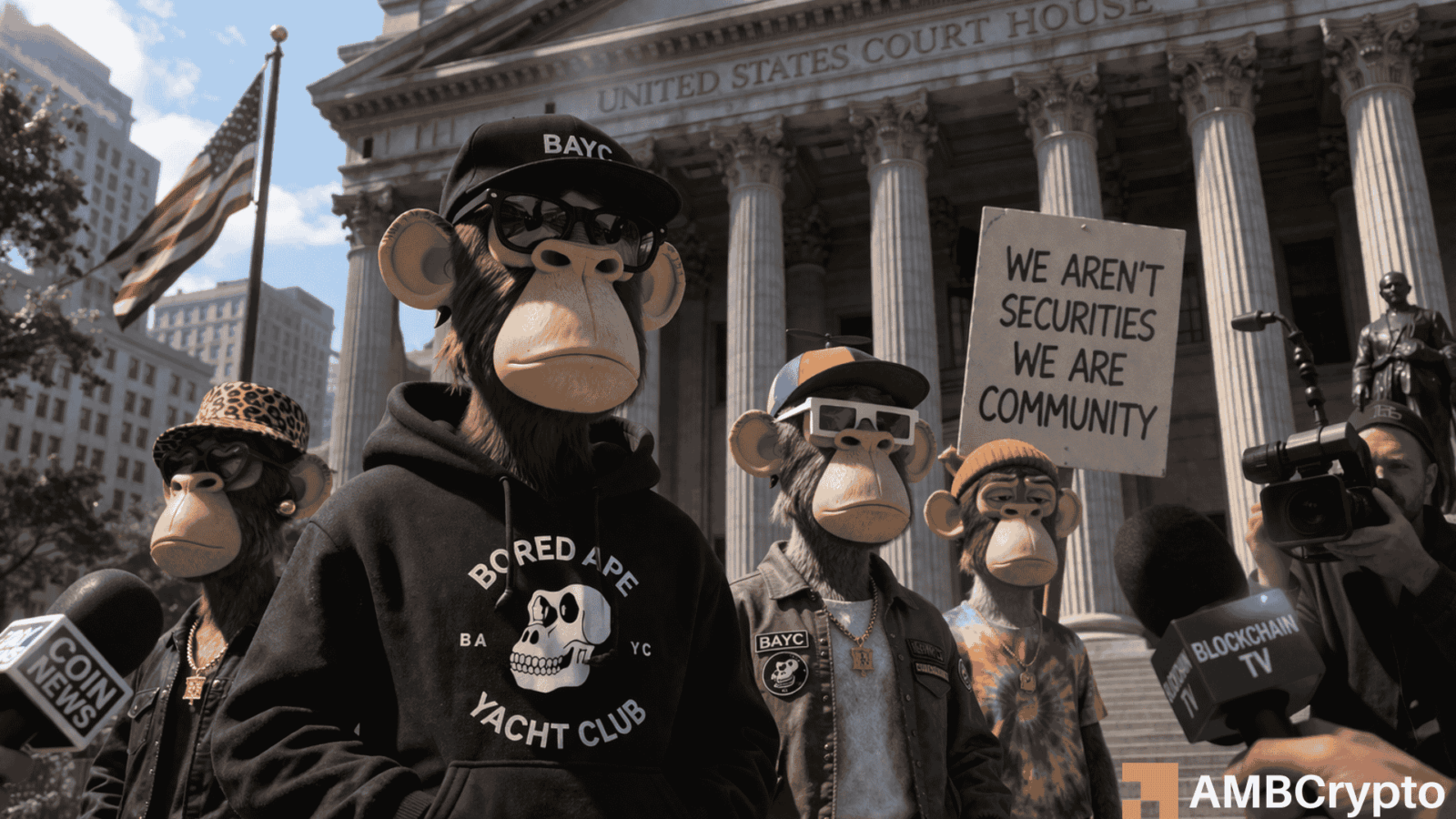
Yuga Labs, the creator behind the renowned Bored Ape Yacht Club (BAYC), has finalized a settlement with artists Ryder Ripps and Jeremy Cahen, effectively resolving a contentious legal battle concerning the usage of BAYC branding in competing NFT collections. This case has garnered significant attention within the NFT industry, particularly regarding the intersection of artistic critique and trademark law. Here’s a detailed examination of the settlement and its implications on the future of NFTs.
Overview of the Legal Dispute
The legal conflict dates back to 2022 when Yuga Labs accused Ripps and Cahen of trademark infringement and cybersquatting after they launched the RR/BAYC collection. This collection utilized imagery and branding from the original BAYC NFTs, prompting Yuga Labs to take legal action. The central question arose around whether derivative collections framed as artistic critiques could leverage established NFT branding without breaching trademark laws. The lawsuit progressed through various legal stages and was on the brink of a trial until both parties agreed to a settlement.
Major Terms of the Settlement
The implications of the settlement are substantial for Ripps and Cahen. The agreement includes a stipulated permanent injunction that prohibits the artists from employing BAYC-related trademarks—names, logos, and related branding—in any form of goods or services. The restriction extends across all digital and physical realms, including NFTs, websites, and social media accounts. Additional limitations include the immediate cessation of any minting, marketing, or sales of the RR/BAYC collection, thereby effectively shutting down its entire ecosystem.
Dismantling the RR/BAYC Ecosystem
As part of the settlement, Ripps and Cahen are mandated to transfer any remaining RR/BAYC NFTs and relevant assets to Yuga Labs within a specified timeline. This includes handing over domain names and transferring control over critical infrastructure elements such as smart contracts, websites, and social media. Furthermore, they are required to erase any existing online content associating with BAYC branding and affirm compliance with the injunction, further redefining the landscape for derivative NFT projects in the space.
Implications for NFT Intellectual Property Enforcement
While this settlement does not conclude with a definitive court ruling, it reinforces crucial legal principles regarding intellectual property rights in the NFT domain. The sweeping nature of the injunction indicates that NFT collections could be treated as commercial goods, which are subject to traditional trademark protections—despite operating in decentralized environments. This decision serves as a reminder of the potential pitfalls for creators seeking to leverage existing branding for derivative collections, especially if they risk causing consumer confusion.
The Future of NFTs and Trademark Protections
This case highlights the necessity for artists and creators in the NFT ecosystem to exercise caution when using recognizable branding tied to established franchises. While artistic expression and satire can be valid motivations, they must be weighed against potential legal repercussions. The outcome of the Yuga Labs case demonstrates that courts are increasingly willing to uphold and enforce control over NFT-related infrastructures, including smart contracts, thus ensuring that established brands retain their intellectual property protections.
Conclusion
In summary, the settlement between Yuga Labs and the artists Ryder Ripps and Jeremy Cahen underscores a significant shift in how intellectual property rights are navigated within the NFT market. The sweeping restrictions imposed by the settlement not only dismantle the RR/BAYC ecosystem but also signal a strengthening of trademark enforcement in the NFT realm. As the industry continues to evolve, copyright and trademark considerations will remain paramount for current and future NFT creators, further shaping the landscape of digital collectibles.