



Optimizing XRP for Institutional DeFi: The Rise of the XRPL Ecosystem
In the ever-evolving world of decentralized finance (DeFi), the XRP Ledger (XRPL) stands at a pivotal crossroads. Key stakeholders within the Ripple-backed XRPL ecosystem are eager to enhance the chain to more effectively support institutional DeFi strategies that echo the success seen on Ethereum through its ‘yield vaults.’ Recently, Evernorth, a prominent XRP treasury firm, has publicly declared its intention to integrate the forthcoming ‘XRP Lending Protocol’ as the centerpiece of its digital asset strategy. This move is believed to represent a significant shift in institutional liquidity management on-chain, which could effectively redefine the landscape for XRP DeFi.
Evernorth’s strategic embrace of the XRPL lending protocol signals its ambition to tap into what could potentially be a multi-billion-dollar annual yield opportunity for the XRP community. CEO Asheesh Birla of Enernorth expressed optimism around the lending protocol, highlighting its capacity to stimulate XRP DeFi further. This added layer of functionality is seen as the crucial element missing from the XRP DeFi framework, which underscores the urgency behind the upgrade, known as XLS-66. Currently undergoing testing on the testnet, this upgrade aims to enable single-asset vaults, presenting opportunities for fixed-rate loans and paving the way for more robust financial strategies.
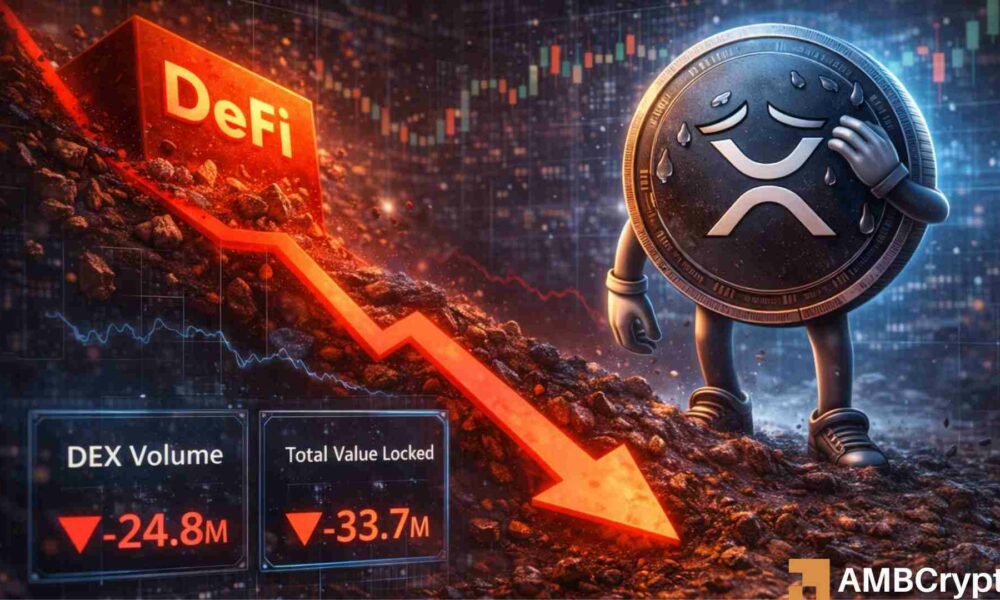
Despite recent advancements, the XRPL DeFi ecosystem struggles to maintain traction in comparison to its counterparts in the top tier by market capitalization. Data indicates that its total value locked (TVL) has witnessed a decline from approximately $100 million to around $60 million. On the contrary, leading chains like BNB and Solana boast impressive TVLs of $6.5 billion and $9.3 billion, respectively. This discrepancy reflects not just a lack of liquidity within XRPL but also a diminished level of investor confidence relative to its competitors. Although Ripple has forged institutional partnerships in regions like Japan with entities such as Gumi and SBI, the overall DeFi activity associated with XRPL remains overshadowed by its perceived rivals. Thus, the true impact of the upcoming lending protocol remains to be fully realized.
In a more promising development, Ripple’s stablecoin, RLUSD, has shown remarkable growth, surpassing $1 billion in supply. This rapid ascent is encouraging, especially amid the fluctuating landscape of XRP and its lending protocol developments. The growing utility of RLUSD signals potential for greater adoption and usage, which could indirectly boost the overall health of the XRPL ecosystem as the community seeks to find avenues for wealth generation and liquidity.
Market sentiment among XRP whales has exhibited mixed signals recently. On one hand, 42 wallets holding over 1 million XRP tokens have shown renewed interest by accumulating back their holdings for the first time since September. According to analytical firm Santiment, this trend presents a positive outlook for XRP’s long-term viability. Conversely, the 30-day XRPL Whale Flow metrics indicate that large holders are predominantly net sellers. However, signs of easing selling pressure emerged in January, indicated by a slow upward trend in whale net positions. Should this metric transition towards neutrality or positivity, XRP could eye a solid price recovery, particularly as it currently hovers around $1.7, awaiting broader market direction.
In conclusion, the XRPL lends itself to an exciting phase of development as firms like Evernorth position the upcoming lending protocol as a potential game-changer in the DeFi space. While challenges persist, especially in terms of liquidity and trust compared to established chains, there are tangible opportunities that could bolster XRP’s standing. The mixed signals from XRP whales illustrate a community caught between caution and optimism, as market participants navigate the complexities of capital deployment within this changing landscape. As the XRPL ecosystem advances, both its stakeholders and investors will watch closely, eager to see how well it can leverage new infrastructure to thrive in the increasingly competitive DeFi arena.