



The Launch of XRP CME Futures: A New Era for Ripple and Institutional Adoption
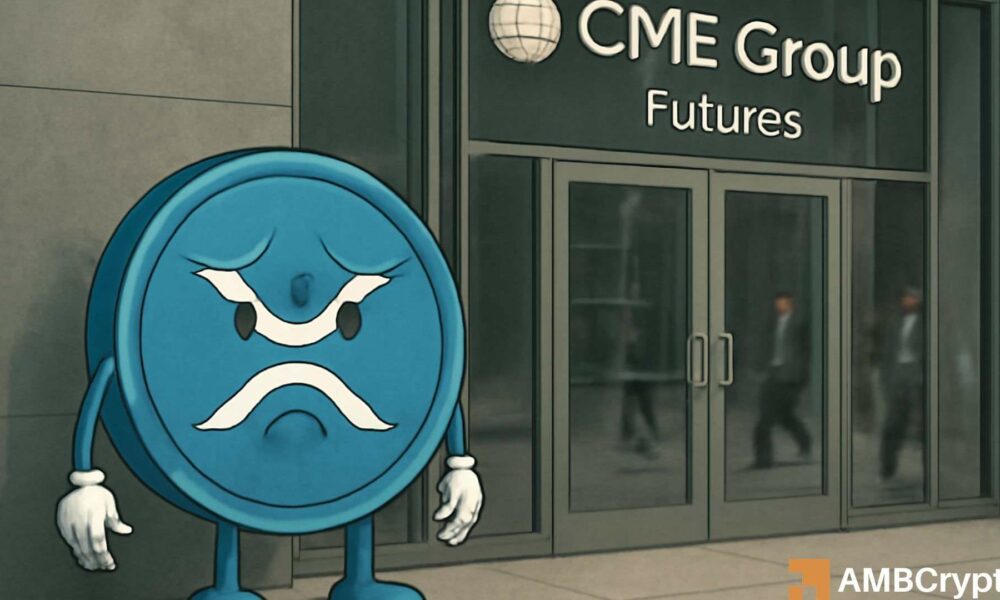
On May 19, 2023, Ripple’s XRP made a significant leap in the cryptocurrency market with its debut on the Chicago Mercantile Exchange (CME). The launch saw an impressive trading volume reach $19 million, outperforming Solana’s (SOL) $12.1 million debut in March. This event marked the first regulated futures trading for XRP, alongside established cryptocurrencies like Bitcoin (BTC) and Ethereum (ETH). The CME’s offering includes larger-sized contracts for 50,000 XRP and a micro-version for 2,500 XRP, both of which are cash-settled. Despite a notable first-day performance, the trading volume did decline to $7.59 million by the second day. This fluctuation raises important questions about market sentiment and the potential implications for Ripple and the broader cryptocurrency landscape.
XRP’s Advantages Over Solana and Market Performance
XRP’s swift entry into the futures market not only eclipsed Solana’s previous numbers by over $7 million but also highlighted its standing among the top crypto assets by market capitalization. While Bitcoin reached an extraordinary $102.7 million and Ethereum garnered $31 million in earlier futures launches, XRP’s debut indicates a growing institutional interest in the altcoin. The availability of futures contracts allows institutions to engage in speculative trading and implement hedging strategies, thereby enhancing liquidity in the XRP market.
Historically, futures markets have proven instrumental in paving the way for Exchange-Traded Funds (ETFs). Following the introduction of CME Futures for Bitcoin and Ethereum, corresponding spot ETFs were approved, creating a market environment ripe for institutional participation and long-term investment strategies. This historical trend raises hopeful expectations for a potential XRP spot ETF approval by 2025, as market optimism for this approval has soared to over 80%. Industry experts, including Nate Geraci from ETF Stores, are optimistic that once these futures markets gain traction, ETF approval for XRP is likely to follow.
Short-Term Market Sentiment and Impact
Despite XRP’s robust debut, the trading volume experienced a significant decline of over 50% within the first two days, leading to skepticism about short-term market sentiment. The broader cryptocurrency market is currently exhibiting signs of a cool-off following a revival in late April and early May. In particular, XRP’s Open Interest (OI) in derivatives markets fell from $5.5 billion to $4.5 billion shortly after its futures launch, reflecting a bearish outlook among traders. Investors are seemingly cautious, awaiting clearer signals from the market before making substantial trades.
Additionally, leading up to and after XRP’s futures launch, there has been a notable increase in Bitcoin’s market dominance, which jumped from 62% to over 64% in mid-May. This increase indicates that capital is being heavily directed into Bitcoin, sidelining many altcoins including XRP. Without substantial inflows from Bitcoin, XRP and other altcoins may continue to struggle in gaining momentum, reinforcing the overall bearish sentiment in the market.
Price Dynamics and Resistance Levels
XRP’s price chart reflects the current market dynamics, particularly with Bitcoin’s dominance imposing resistance near the $2.6 level. This resistance has created a challenging environment for XRP bulls seeking upward movement. Nevertheless, the bulls have maintained some leverage as long as XRP holds above its trendline support. The near-term outlook will largely depend on how XRP reacts to the prevailing market sentiment and if it can successfully break through critical resistance levels.
Maintaining a position above key support levels could instill confidence among traders and potentially attract more institutional investments in the futures market. Monitoring Bitcoin’s movements also becomes crucial, as its performance often influences the entire cryptocurrency ecosystem. Traders will need to keep a close watch on these factors as they navigate their positions in XRP and other altcoins.
Looking Ahead: Future Prospects for XRP and Institutional Investors
The successful launch of XRP futures on the CME indicates a maturation of the cryptocurrency market and highlights Ripple’s role in setting new benchmarks for altcoins. The jump in expectations regarding a potential spot ETF approval illustrates an ongoing interest from institutions and a growing acceptance of cryptocurrencies within traditional finance sectors. As XRP futures gain traction, there are credible hopes that future regulatory clarity may boost institutional involvement, thereby increasing market liquidity and confidence among traders.
The transition to an increasingly regulated environment might also encourage more conservative institutions to engage with XRP, providing a pathway for long-term investments. If XRP can successfully enhance its standing and facilitate a broader acceptance among institutions, it may very well solidify its place within the cryptocurrency market amid Bitcoin and Ethereum’s dominance.
Conclusion: A Pivot Point for Ripple and XRP Futures
The debut of XRP futures on the CME is a significant milestone for Ripple and could mark the beginning of a transformative phase for altcoins in the cryptocurrency landscape. While the initial performance showcased strong interest, the swift decline in trading volume raises important concerns regarding market sentiment. Moving forward, monitoring the broader dynamics of Bitcoin and other key factors will be essential. With the heightened expectations for a U.S. spot ETF approval and ongoing interest from institutional investors, Ripple’s XRP stands at a pivotal juncture, poised for potential growth in a rapidly evolving market. By maintaining a focus on market resilience and institutional support, XRP looks to navigate its way through the complexities of the crypto space while aiming for sustained success in the coming years.