



The Current State of Ripple (XRP): Market Conditions, Network Activity, and Potential Recovery
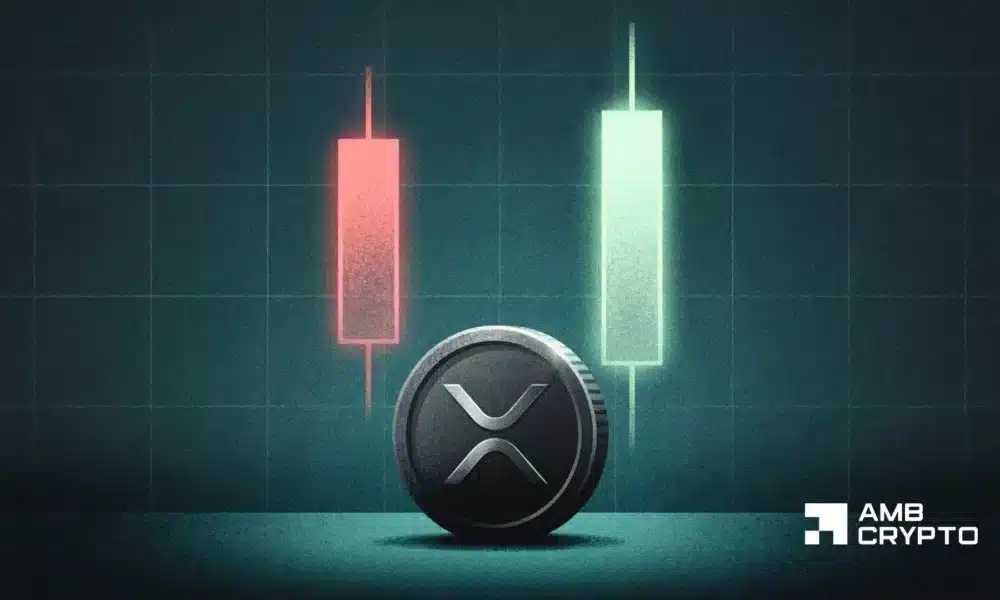
Ripple (XRP) is undergoing significant turbulence in the cryptocurrency market, characterized by increased distribution pressure as a potential capitulation phase unfolds. Recent data indicates that holders are moving their coins at a loss, as evidenced by the Spent Output Profit Ratio (SOPR) declining from approximately 1.16 to 0.96. This drop indicates that more sellers are accepting prices below their original purchase costs, reflecting a growing sense of strain among market participants. During the previous bullish phase, SOPR consistently hovered between 1.05 and 1.15, correlating with XRP’s rally towards the $3 mark as traders capitalized on bullish momentum and fresh liquidity. However, this selling pressure has intensified, pushing investor confidence to wane and shifting the market sentiment negatively, moving XRP’s price closer to $1.40 by March 2026.
Despite this volatility, underlying structural activity in the XRP Ledger (XRPL) speaks to a different story. The network has consistently processed between 1.8 million and 2.5 million daily successful payments, indicating strong utility and user engagement, even amid market declines. Additionally, the XRPL’s throughput, which remains steady at 18–25 transactions per second, showcases its capacity for settlement during stressful periods. Active Addresses have remained stable, oscillating between 35,000 and 40,000, suggesting sustained user participation rather than a collapse in engagement. Furthermore, the network has surpassed 7.68 million activated accounts, representing long-term ecosystem growth. This persistent activity illustrates that utility-driven transactions, cross-border transfers, and decentralized exchange (DEX) operations continue to thrive, despite the overall bearish market sentiment.
Currently, XRP’s trading value hovers around $1.40, a significant dip from previous highs. The crypto experienced a notable drawdown of -$1.93 billion in Realized Losses, marking the largest weekly loss since 2022. This pattern mirrors the earlier cycle of 2021–2022 when XRP’s price descended from $1.96 to $0.30 amidst a capitulation phase. During that period, SOFPR values consistently fell below 1.0, indicating ongoing selling at losses. Yet, notable recovery signals began to emerge as network participation rose, with more users engaging with the XRP ecosystem, despite its depreciated value. Ultimately, Daily Active Addresses surged around 490% from the 2022 lows, despite the subdued price, marking a divergence that typically precedes substantial rallies.
Looking forward, the current market structure of XRP appears to echo those prior recovery conditions where capitulation has historically been followed by a rebound. With the number of active addresses consistently stable between 35,000 and 40,000, there is an underlying belief that if SOPR can reclaim levels above 1.0, conditions would trend towards stabilization and a potential gradual recovery for XRP. The situation remains fluid, but the current data suggests a possible light at the end of the tunnel as the network maintains robust participation even amid adverse market conditions.
In conclusion, the landscape for Ripple (XRP) is characterized by a capitulation phase as the SOPR drops below 1.0, indicating a heightened realization of losses among traders. Despite this, strong underlying activity within the XRP Ledger suggests that network demand continues to endure. Historically, phases of capitulation accompanied by steady network engagement have led to price rebounds, potentially providing an optimistic viewpoint for XRP’s future. As the cryptocurrency market continues to evolve, XRP’s robust activity could play a crucial role in stabilizing its price and lifting it from the recent lows.
By closely monitoring these trends, investors and holders can gauge market momentum and make informed decisions regarding their positions in Ripple (XRP).