


Vitalik Buterin’s Proposal for a Gas Futures Market: Navigating Ethereum’s Scaling Uncertainty
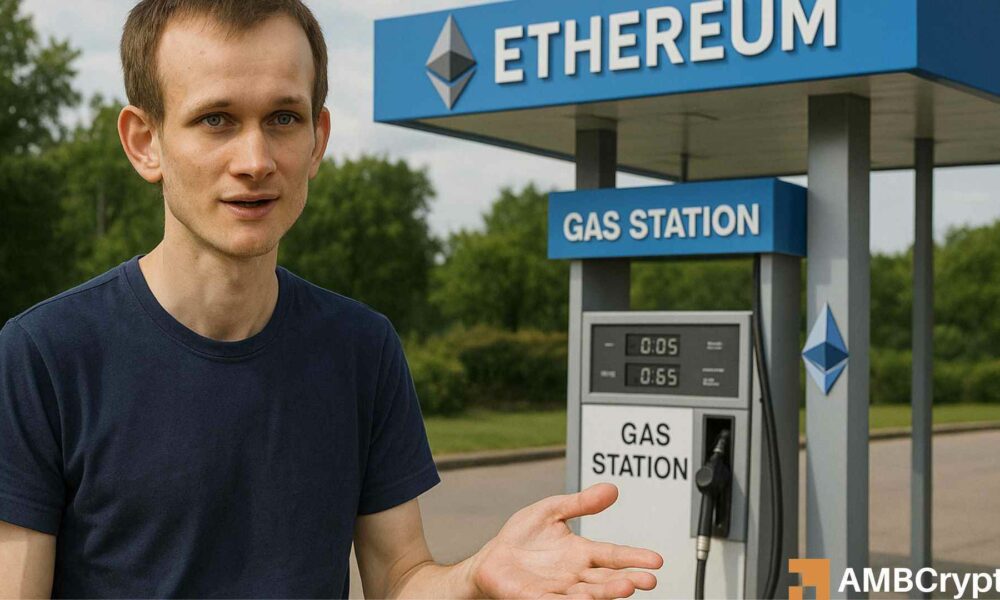
Ethereum co-founder Vitalik Buterin has responded to growing concerns about the uncertain future of Ethereum’s scaling roadmap and its effects on gas (transaction) prices. His proposed solution is the introduction of a gas futures market, which could provide better predictability for large investors and players looking to navigate the unpredictable landscape of Ethereum transactions. This approach mirrors practices seen in traditional markets, where futures contracts are often utilized to offset risk stemming from price volatility.
Understanding the Gas Futures Market Proposal
Buterin’s gas futures market proposal aims to enable participants in the Ethereum ecosystem to manage their operations more effectively. By creating contracts that lock in future transaction prices, users could hedge against unexpected increases in gas fees, which have historically been a point of contention for Ethereum users. In traditional markets, such as oil, large corporations utilize futures contracts to stabilize their operational costs against price fluctuations. Buterin’s proposal seeks to replicate this model within the Ethereum ecosystem, letting major stakeholders make informed decisions without the constant worry of escalating costs.
Community Reactions: A Mixed Bag
However, Buterin’s proposal has received a mixed response from both community members and experts. Critics highlight potential downsides and risks associated with implementing such a market. One prominent concern is that the introduction of a premium could incentivize malicious actors to engage in Sybil attacks, which involve creating fake identities to manipulate market conditions to their advantage. Kevin Lepsoe, founder of ETHGas—a proposed gas futures market—supported Buterin’s concept but cautioned that validators might also attempt to manipulate the base fee in an effort to gain economic benefits. Notably, he offered optimism about its feasibility on Layer 2 solutions, which might provide a more secure and efficient platform for gas futures trading.
The Challenge of Demand Dispersal
Another community member, Jason Chen, offered a critical perspective on the proposal. He pointed out that while the concept has merit, it may not be effective due to the dispersed nature of Ethereum gas demand. Unlike traditional industries, where a few significant players dominate the market, Ethereum’s gas fees are primarily paid by individual users, leading to a lack of concentrated demand. Chen argues that minus substantial ‘fuel’ users akin to airlines in the oil sector, there’s limited interest in creating a robust options market for gas fees on Ethereum.
The Current Landscape of Gas Fees
Gas fees, which represent the transaction costs Ethereum users must pay, have seen a noticeable decline recently as Ethereum has rolled out significant scaling upgrades. These enhancements, from projects like Pectra to the recent Fusaka overhaul, aim to increase Ethereum’s competitiveness against emerging smart contract chains like Solana and Sui. Historically, Ethereum’s average transaction fees have been considerably higher than those of its competitors, but recent scaling efforts have helped to narrow that gap, offering users more affordable transaction costs.
The Uncertain Future of Ethereum’s Scaling Roadmap
Despite recent gains in lowering gas fees, the Ethereum scaling roadmap remains uncertain, with potential changes on the horizon that could affect transaction prices. This uncertainty makes Buterin’s proposal for a gas futures market increasingly relevant. If implemented, such a market could help mitigate fears associated with unexpected price increases by providing users an avenue for better financial planning. Additionally, as of the latest reports, Ethereum’s price held steady above $3,000—a promising sign as more ‘whales,’ or large investors, express confidence in Ethereum’s recovery.
Navigating Risks and Implementing Solutions
While many in the Ethereum community recognize Buterin’s proposal for a gas futures market as a potential step forward, concerns about manipulation persist. A suggested approach to circumvent such risks includes removing base fees and leveraging Layer 2 solutions, creating a framework that potentially lowers vulnerability to market manipulation. As Ethereum continues to evolve and tackle scaling issues, open dialogue and innovative solutions will be critical in ensuring its long-term success as a leading smart contract platform.
In summary, while Vitalik Buterin’s gas futures market proposal is garnering interest and offers a way to address Ethereum’s scaling uncertainties, the community must consider the inherent risks and challenges to ensure its effective implementation.