




Bitcoin and the Impact of Oil Price Volatility: A Comprehensive Analysis
In the current market landscape, Bitcoin (BTC) is navigating through stormy waters characterized by oil price volatility and heightened geopolitical tensions. As of the latest data, BTC has experienced a decline of 1.16%, while Ethereum (ETH) follows closely with a 2.79% drop. These shifts come in the wake of U.S. President Donald Trump’s aggressive rhetoric towards Iran, demanding "unconditional surrender" from its leaders, further contributing to uncertainty in both traditional and crypto markets. With geopolitical tensions on the rise, the crypto market’s confidence is notably wavering, prompting concerns about the long-term ramifications on cryptocurrency values.
The Ripple Effect of Rising Oil Prices
The connection between rising oil prices and consumer purchasing power cannot be overlooked. As energy costs soar, individuals may find themselves with less disposable income, potentially leading to reduced investment in cryptocurrencies. This correlation highlights the interconnectedness of global markets; as oil markets react to geopolitical events in the Middle East, cryptocurrencies like Bitcoin may also experience reverberations that impact their pricing action. In this frame, Bitcoin and the broader cryptocurrency market appear to be teetering on a precarious edge shaped by external economic factors.
Shifts in Market Sentiment
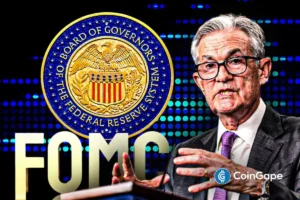
In recent months, the crypto market has transitioned from a state of "extreme greed" that dominated sentiments back in May to more neutral psychological levels. This shift indicates a cautious approach among investors, likely influenced by economic forecasts and the upcoming Federal Reserve (Fed) interest rate decision slated for June 18th. With a nearly 100% expectation of no rate cuts, traders are closely watching the Fed’s actions, knowing that any changes could impact their trading strategies. Meanwhile, on-chain metrics indicate that long-term holders are still accumulating Bitcoin, suggesting underlying confidence despite short-term volatility.
Short-Term Liquidity and Price Action
Bitcoin’s current price dynamics reveal a strong reliance on liquidity rather than a definitive trend. As it enters a consolidation phase, BTC is primarily reacting to news containing market implications. Recent events, including public exchanges between notable figures such as Elon Musk and Donald Trump, have added to the price’s volatility. In this environment, market participants are keenly observing key support levels. The monthly open price of $104.6k serves as a crucial resistance point, with potential declines looming should the price close below the $104k-$104.5k range.
The Altcoin Market’s Struggles
Alongside Bitcoin’s performance, the altcoin market has encountered its share of difficulties, failing to surpass the $1.24 trillion market cap threshold. The weak ETH/BTC ratio, coupled with a pronounced increase in Bitcoin’s dominance, suggests that altcoin investors may need to exercise patience as they navigate through this turbulent phase. Some tokens may experience fleeting moments of outperformance, yet traders are cautioned against holding these assets for extended periods given the overall market sentiment.
Conclusion: Navigating the Crypto Landscape
As Bitcoin and other cryptocurrencies grapple with challenges stemming from both oil price volatility and macroeconomic uncertainties, traders and investors must remain vigilant. The interplay of external variables—geopolitical tensions, monetary policy decisions, and investor sentiment—plays a pivotal role in shaping market trajectories. Understanding the importance of liquidity and the current psychological landscape may help market participants navigate these unforeseen waters effectively. As always, investors should approach the crypto market with caution and thorough research, keeping themselves informed to make strategic decisions in this ever-evolving space.
By maintaining an awareness of these developments, both casual and experienced traders can better prepare for potential market shifts and opportunities, ensuring their strategies align with the broader economic context.