




VIRTUAL Token Faces 12% Drop Amid Geopolitical Tensions and Fading Investor Interest
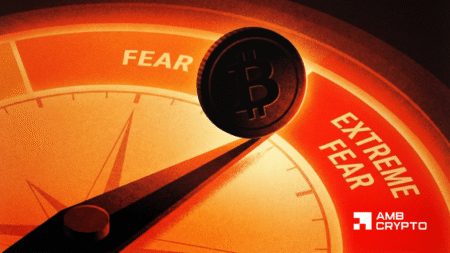
In recent trading sessions, the crypto market has experienced considerable volatility, with the VIRTUAL Token [VIRTUAL] declining by 12.03% in the past 24 hours, down from $1.56 to $1.37. This decline is part of a broader downward trend observed throughout June, despite VIRTUAL still showing a 106% gain on the 90-day Altseason Index, keeping it slightly ahead of SPX6900 [SPX]. However, geopolitical tensions, particularly the confirmation of U.S.–Israel airstrikes on Iran on June 21, have introduced new risks into the market, shaking investor confidence in speculative assets such as VIRTUAL.
Analysts are predicting that VIRTUAL’s bearish trend could further intensify in the upcoming trading sessions, as signs of declining interest from investors become increasingly apparent. Spot trading activity has dropped across both centralized and decentralized exchanges, suggesting that traders may be losing their appetite for this particular token. Just in the last day, selling resumed in centralized exchanges, with a reported $680,000 worth of VIRTUAL changing hands. This sell-off occurs despite a brief period of buying activity between June 19 and 20, underscoring the fluctuating nature of market interest amid falling prices.
The significant sell-off can largely be traced back to traders on Bybit and liquidity providers from the Aerodome Finance on-chain protocol, which recently withdrew $7.3 million worth of VIRTUAL from its liquidity pool. This exodus signals an urgent need for liquidity providers (LPs) to reposition themselves in response to diminishing trust and escalating market risks. Specifically, Bybit is witnessing negative funding rates, which plummeted to -6.0%, suggesting that most traders are now betting against the asset, a worrisome indicator given that Bybit controls the second-largest trading volume of VIRTUAL at around $82 million.
Moreover, the decline in VIRTUAL’s active addresses is a troubling indicator of waning investor interest. The latest data reveals that active addresses have fallen to 6,300, marking the lowest level observed in a month. This drop in participation follows a brief boost in May, reinforcing the notion that traders seem to be exiting the market rather than re-engaging. As geopolitical tensions persist and speculative assets continue to face sell-offs, VIRTUAL’s short-term outlook appears increasingly fragile.
With the ongoing geopolitical turmoil and negative sentiment reverberating through the crypto market, the future trajectory of VIRTUAL remains uncertain. The pressures that currently affect investor sentiments are compelling traders to adopt more cautious strategies, causing a ripple effect through the liquidity and utility of the token. If current trends continue, there is a strong likelihood that VIRTUAL will slide down the 90-day index, potentially discouraging new investors from entering the space.
Ultimately, the combination of geopolitical strains, negative funding rates, and diminishing trading activity paints a challenging picture for VIRTUAL. As investors look for stability, VIRTUAL must find a way to regain trust and re-engage a disillusioned audience in a rapidly evolving market landscape. With questions surrounding its resilience and potential for recovery, only time will tell how VIRTUAL navigates these turbulent waters.