


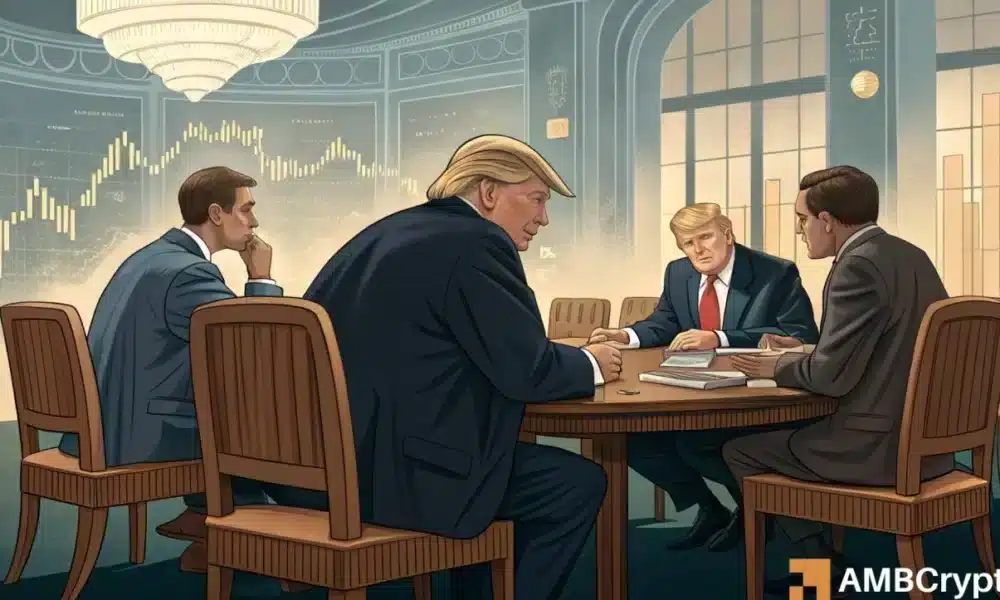
USD1 Stablecoin Surges to $3 Billion Market Value: A New Player in DeFi
World Liberty Financial’s USD1 stablecoin has reached a significant milestone, surpassing a market value of $3 billion. As the sixth-largest stablecoin and the 32nd-largest cryptocurrency overall, USD1 is now regarded as a substantial player in the decentralized finance (DeFi) space. This surge has transformed USD1, often linked to public figures like Trump, into a key liquidity source on major exchanges. The community behind USD1 is optimistic, emphasizing that while milestones are important, their focus remains on developing the financial infrastructure for the future.
The Role of Binance in USD1’s Growth
A major driver behind USD1’s recent expansion is the influence of Binance, the world’s largest cryptocurrency exchange. Through its newly launched ‘Booster Program,’ Binance is offering a remarkably high 20% annual percentage rate (APR) on its flexible earn products. This rate significantly outstrips the yields provided by most other stablecoins. Additionally, Binance has begun converting its BUSD-pegged tokens to USD1 on a 1:1 basis, effectively positioning USD1 as the primary stablecoin within its ecosystem. The resulting demand boosts USD1’s liquidity and encourages its adoption in high-volume trading and lending on Binance.
Strategic Partnerships and Future Vision
While Binance’s initiatives create liquidity for USD1, the World Liberty Financial team is dedicated to promoting the stablecoin for real-world transactions rather than speculative trading. To this end, they have forged partnerships with major platforms like Coinbase and FalconX, ensuring that USD1 is accessible to both retail users and large institutional clients. Furthermore, WLFI is looking to expand its reach into the Solana ecosystem, partnering with Bonk and Raydium. This strategic move aims to capture fast-moving on-chain capital typically associated with USDC on Solana.
Navigating Political Sensitivities
Despite its impressive adoption rates, USD1 is not without controversy. It has become politically sensitive, particularly following a $2 billion payment from Abu Dhabi’s MGX fund to Binance, executed in USD1. This transaction coincided with a recent pardon issued by former President Trump to Binance’s co-founder, CZ, adding fuel to speculative discussions in Washington. Figures like Senator Elizabeth Warren have raised concerns about the implications of such political connections on cryptocurrency regulation, particularly in relation to the GENIUS Act. Critics argue that this legislation may lack essential safeguards to prevent the potential for unfair advantages in the crypto industry.
The Challenge of Sustaining Growth
As new regulations stemming from the GENIUS Act come into play, World Liberty Financial faces the challenge of maintaining its $3 billion market cap without relying heavily on the initial 20% APR incentives from Binance. For USD1 to establish itself as a stablecoin with lasting value, it will need to diversify its revenue streams and focus on sustainable growth strategies that extend beyond exchanges’ incentives. The current landscape poses both risks and opportunities for WLFI as it navigates this evolving regulatory environment.
Conclusion: Looking Ahead
USD1’s rapid ascent underscores the impact of exchange-driven demand in the cryptocurrency market. However, achieving sustainable adoption will require robust infrastructure and strategic initiatives. Regulatory scrutiny—especially from significant political voices like Senator Elizabeth Warren—will play a critical role in shaping USD1’s future. With strong institutional backing and a committed team, USD1 aims to carve its niche in the competitive stablecoin market while striving for compliance in a rapidly evolving landscape. As the crypto world continues to evolve, USD1’s trajectory will offer valuable insights into the intersection of digital currencies, regulation, and market dynamics.