



The Evolution of Tokenized Securities: U.S. Banking Regulators’ Joint Statement and Its Implications
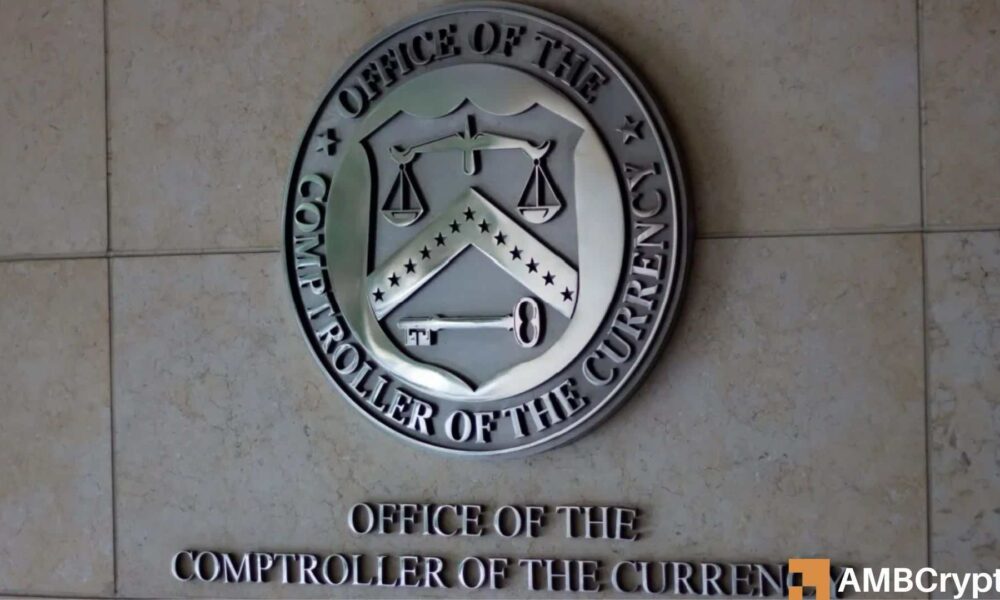
In a pivotal development for the cryptocurrency and traditional finance sectors, U.S. banking regulators, including the Office of the Comptroller of the Currency (OCC), the Federal Reserve, and the Federal Deposit Insurance Corporation (FDIC), have released a joint statement regarding the capital requirements for tokenized securities. This news underscores the regulators’ intention to create a stable and compliant framework for a rapidly evolving financial landscape where blockchain technology integrates with traditional finance practices.
Understanding Tokenized Securities
Tokenized securities refer to traditional financial assets like stocks offered through blockchain technology. The joint statement from U.S. regulators clarifies that the underlying technology of a stock—be it tokenized or not—will not change its capital requirements. Essentially, any eligible tokenized security will receive the same capital treatment as its non-tokenized counterpart. This is a milestone, particularly for institutional investors interested in navigating the complexities of cryptocurrencies while maintaining compliance with existing regulations.
A Major Catalyst for Adoption
Industry leaders see this regulatory clarity as a major catalyst for the adoption of tokenized securities. Nathan McCauley, CEO and co-founder of Anchorage Digital, calls it an "incredible unlock for tokenization." Similarly, Miller Whitehouse-Levine, CEO of the Solana Policy Institute, views the regulators laying crucial groundwork for the future of on-chain U.S. capital markets. This statement signals a commitment from federal agencies to foster a more inclusive and efficient market that allows for the seamless integration of tokenized assets.
Guiding Principles for Compliance
Although the update presents a significant opportunity, it does come with essential guidelines that stakeholders must consider. Earlier, the Securities and Exchange Commission (SEC) reiterated that tokenized stocks are indeed securities and must comply with federal laws. The newly articulated framework from banking regulators provides a comprehensive unpacking of desirable characteristics for tokenized securities—covering everything from taxonomy to compliance frameworks and capital treatment for financial institutions involved in trading these assets. This clarity will ultimately pave the way for more enforceable regulations within the industry.
Unresolved Issues and Future Challenges
Despite the progress, challenges remain. Key issues related to on-chain settlement, custody, and cross-border trading regulations have yet to be addressed, leaving a variety of legal and operational uncertainties. These unresolved questions could create significant hurdles for participants in the burgeoning tokenized securities market. Legislative efforts, such as the CLARITY Act—currently under debate in the context of the crypto market structure—may add another layer of complexity, particularly in light of resistance from established entities like Citadel that oppose potential legal exemptions for decentralized finance (DeFi) platforms.
Rapid Growth in Tokenized Securities Adoption
In 2025, the adoption rate for tokenized securities witnessed unprecedented growth, marking a 47% increase year-to-date. The number of holders of tokenized stocks surged from 125,000 to 184,000 in just the first quarter of 2026. Concurrently, the market cap of this sector has crossed the $1 billion threshold, demonstrating a clear appetite for digital assets among investors. This rapid growth suggests not only the increasing acceptance of tokenized securities, but also a profound shift in how investors view traditional assets in the context of an evolving financial landscape.
Conclusion
U.S. regulators’ joint statement regarding the capital treatment of tokenized securities signals a new chapter for the integration of blockchain technology within the traditional financial system. By affirming that tokenized variants will receive similar capital treatment to their traditional counterparts, regulators are fostering an environment ripe for innovation and adoption. As the tokenized securities sector continues to grow rapidly, stakeholders must navigate the complexities of compliance and regulation while keeping an eye on unresolved challenges that could impact future developments. The landscape is undoubtedly shifting, making it an exciting time for both investors and regulators alike.
In summary, regulatory clarity is set to pave the way for the mainstream adoption of tokenized securities, boosting confidence among investors and creating pathways for new capital inflows. The overall market sentiment remains optimistic, as stakeholders prepare to embrace the future of finance.