

Uniswap’s Buyback Initiative: A Game-Changer for UNI
Uniswap (UNI), one of the leading decentralized exchanges, is making headlines with a significant buyback plan that could redefine its market position. This proposal aims to instigate a deflationary model for UNI, ramping up token scarcity and potentially driving the price higher. Experts suggest that this initiative can result in a supply crunch, a scenario that has made market participants particularly bullish. For investors, holders, and enthusiasts alike, this development marks an exciting turning point in the decentralized finance (DeFi) landscape.
The Mechanics of UNI’s Buyback
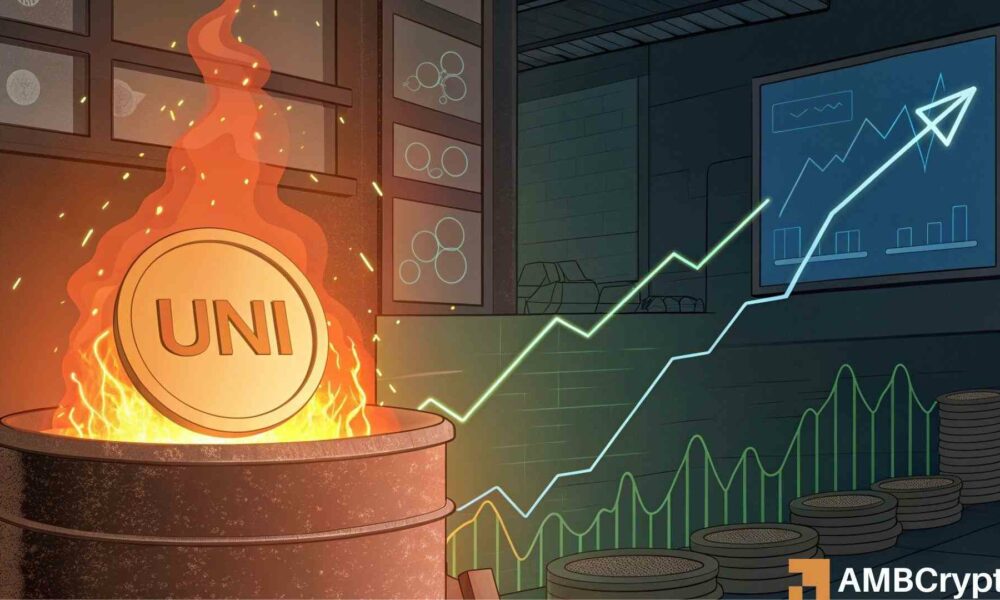
At the core of Uniswap’s plan is a compelling shift in the protocol fee structure, which will redirect funds toward token buybacks and burning. Notably, the team will burn 100 million UNI from its treasury, which corresponds to the anticipated tokens that would have been repurchased under the new fee structure. This proactive approach not only demonstrates a commitment to enhancing the token’s long-term value but also aims to diminish the overall supply, enhancing scarcity and, consequently, price potential. This well-structured plan could provide essential growth incentives, addressing previous criticisms of the token as lacking in value.
Market and Community Reactions
The market’s initial response to the buyback news was overwhelmingly positive. UNI’s price experienced a remarkable surge of 42%, jumping from $6.50 to over $10. While it has retraced some of those gains, this move effectively erased the losses accumulated throughout October. Observers are optimistic that $8.6 could become a critical support level, paving the way for future upward momentum should overall market sentiment improve. Additionally, notable whale investors saw substantial gains, further adding to the bullish outlook.
Expert Insights on Future Price Movements
Market analysts are closely watching the potential implications of Uniswap’s buyback strategy. CryptoQuant’s CEO, Ki Young Ju, anticipates that the plan could instigate a significant supply shock, especially considering the substantial trading volumes recorded by the platform. With about $1 trillion in year-to-date volume, Ju projects that the annual burns could amount to around $500 million if current trading levels are sustained. Such projections put Uniswap on track to become a pioneering force in the DeFi sector, one that could challenge competitors like Hyperliquid.
Risks and Criticisms
However, it’s crucial to consider the dissenting opinions surrounding this initiative. Critics warn that increasing fees might reduce overall transaction volumes as users could gravitate towards cheaper alternatives. These fears are not unwarranted, as even marginal fee increases could incentivize shifts in user behavior within this competitive market. On the other hand, data from Santiment suggests that the supply of UNI held outside exchanges has been on an upward trend, indicating that profit-taking following the initial price surge was relatively minimal. Such signs hint at a sustained accumulation trend, at least for now.
Conclusion: What Lies Ahead for Uniswap
In summary, Uniswap’s buyback initiative appears to hold great promise for the UNI token and its community. With a structured approach toward reducing supply and enhancing value, the project positions itself as a frontrunner in the ever-evolving DeFi ecosystem. While the bullish sentiment is palpable, it is essential for investors and stakeholders to remain vigilant regarding potential risks and market reactions. The future of UNI hinges not only on its internal strategies but also on the broader cryptocurrency landscape’s dynamics, making the coming weeks crucial for its success.
Final Thoughts
Uniswap’s recent developments illustrate the potential for innovation within the DeFi sector. As the buyback proposal unfolds, the market’s response will be critical in shaping the future of UNI. With significant changes in fee structures and token burns, the initiative aims to elevate Uniswap’s stature amidst growing competition. For now, the project has ignited optimism among community members and investors alike, making it one of the most closely watched tokens in the market.