



The Growing Importance of the CLARITY Act for Digital Assets
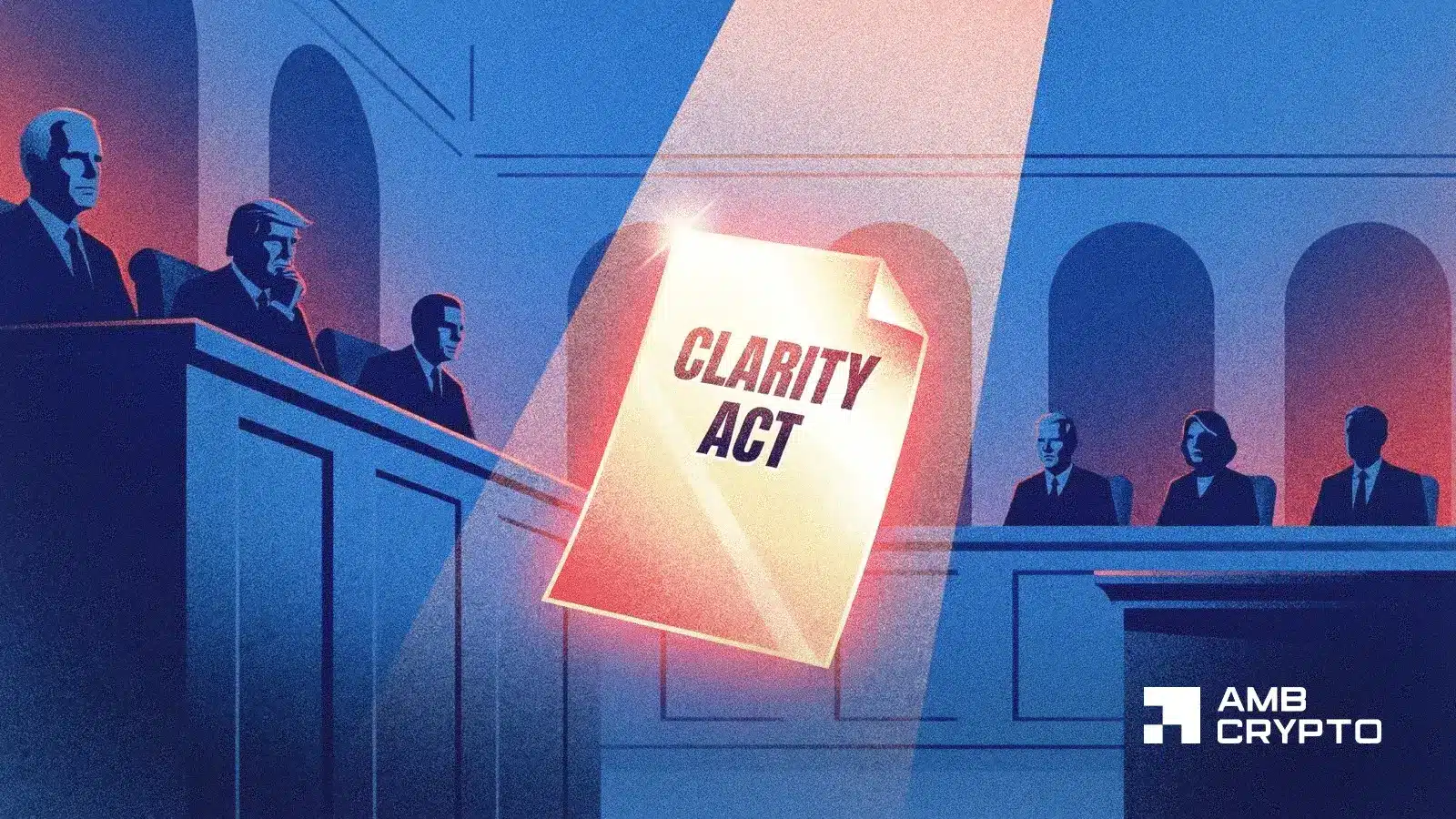
As discussions around the CLARITY Act gain momentum, U.S. Treasury Secretary Scott Bessent has entered the conversation with a clear call to action. Advocating for the passage of the Digital Asset Market Clarity Act, introduced in 2025, Bessent emphasizes the urgency for Congress to adopt clear regulations governing digital assets. Despite ongoing deliberations among stakeholders in both the cryptocurrency industry and the banking community, a consensus remains elusive. Bessent is adamant that the time for decisive action is now, especially given the scarcity of available Senate floor time.
Bessent’s argument centers on the necessity for coherent federal guidelines. He asserted that the U.S. needs to establish transparent regulatory frameworks to promote innovation and investment in the growing digital asset market. By comparing the U.S. situation with countries like Abu Dhabi and Singapore, where clear rules have attracted substantial crypto development, Bessent highlights the risks presented by the current regulatory uncertainty in the U.S. “The benefits of domiciling in the U.S. rarely outweighed the risks,” he stated, stressing the importance of federal clarity to retain crypto innovation.
This isn’t the first time Secretary Bessent has championed the cause for clearer regulations in the digital asset landscape. Earlier in February, he pointed out that the clarity offered by the proposed bill could serve as a stabilizing force during market volatility, thus providing "great comfort to the market." His concerted efforts underscore the increasing recognition of the need for a robust regulatory framework as cryptocurrencies become more integrated into the mainstream economy.
Support for the CLARITY Act is not limited to the Treasury. Senator Cynthia Lummis echoed Bessent’s views, emphasizing that bipartisan support is crucial for the passage of this legislation. She believes that the Act can act as a “safe harbor” for developers, validators, and node operators, creating a conducive environment for innovation. The senator’s comments come at a time when the cryptocurrency market has been fluctuating dramatically, with overall market capitalization shifting between $2 trillion and $3 trillion due to increased volatility.
Meanwhile, the odds for the passage of the CLARITY Act, as tracked by Polymarket, recently stood at 57%. This figure, however, indicates a 9% drop from a previous high, adding layers of uncertainty regarding the bill’s approval by 2026. In the midst of these developments, Coinbase’s Chief Policy Officer also weighed in, shedding light on a recent compromise regarding the bill. Although Coinbase had initially expressed caution, Company CLO Paul Grewal has since adopted a more optimistic outlook, stating, "I’m very confident we’re going to see progress."
In addition to these discussions, a report from the White House’s Council of Economic Advisers has suggested that allowing stablecoins to generate yield does not pose a significant threat to banks. This report adds another dimension of optimism to the ongoing efforts surrounding the CLARITY Act, indicating that regulators may be open to innovative changes that could enhance financial stability. Despite this positive narrative, uncertainties persist, and it remains to be seen whether the CLARITY Act will successfully navigate the legislative hurdles that lie ahead.
In conclusion, discussions surrounding the CLARITY Act are reaching a critical juncture, with Secretary Bessent’s advocacy for its passage underscoring the urgent need for clear regulations in the digital asset market. While current odds show a slight decline, the momentum created by bipartisan support and encouraging reports indicate that the time for effective legislative action may be close at hand. As we approach the legislative sessions, it will be crucial to monitor these developments and assess their impact on the future landscape of digital assets in the United States.