



Title: The Downfall of Do Kwon: A 12-Year Sentence Proposed for Terraform Labs Co-founder
In recent developments, U.S. federal prosecutors have sought a staggering 12-year prison sentence for Do Kwon, co-founder of Terraform Labs. This push for a severe punishment arises from the catastrophic collapse of Terraform’s cryptocurrencies, TerraUSD (UST) and LUNA, which has been labeled as one of the most damaging financial frauds in the history of cryptocurrency. According to reports from InnerCityPress and Bloomberg Law, the request was officially filed on December 4 in the Southern District of New York. The consequences of this case echo widely beyond Kwon’s immediate fate, igniting crucial discussions about the integrity and regulation of the cryptocurrency landscape.
Prosecutorial Claims Against Kwon
The prosecutors’ case underscores the enormity of the damages that Kwon’s actions allegedly caused, claiming they surpass the fallout of other notorious crypto scandals involving figures like Sam Bankman-Fried and Alex Mashinsky. In their sentencing memorandum, they characterize the Terra collapse as a "colossal crypto fraud," projecting that it led to losses exceeding billions of dollars. The ripple effect of this financial disaster contributed significantly to the overall downturn in the cryptocurrency market, often referred to as the "crypto winter." The prosecutors stress that Kwon’s misconduct is unique due to the scale of the losses and the systemic ramifications on the entire digital asset ecosystem.
How Kwon Misled Investors
Central to the prosecutorial argument is the assertion that Kwon misrepresented the nature of UST, which was branded as an algorithmic stablecoin. Prosecutors claim that Kwon’s promotion of UST misled investors into believing it was a stable and fully-backed asset. In reality, internal data allegedly revealed vulnerabilities that could lead to its failure, ultimately indicating a deeper level of deceit. Such misleading tactics are viewed as a significant breach of trust, further justifying the proposed harsh sentence.
Defense Arguments for Leniency
On the other side, Kwon’s defense team has filed a plea for a more lenient sentence of five years or less. They argue that Kwon has already served considerable time in Montenegro amidst ongoing extradition proceedings, which they believe should be factored into any sentencing. Moreover, the defense points out that a lengthy prison term in the U.S. would be disproportionate, especially considering the possibility of additional prosecution in South Korea, where Kwon also faces charges related to the Terra collapse.
Prosecutors’ Stand Against Leniency
In contrast to the defense’s request, prosecutors have unequivocally dismissed these arguments. They maintain that Kwon’s actions call for a sentence that appropriately reflects the scale of the losses incurred by investors. Additionally, they emphasize the imperative for deterrence in the dynamic and rapidly evolving cryptocurrency market. The government’s position indicates a commitment to holding individuals accountable for large-scale failures in the digital asset space, thereby reinforcing the message that such misconduct will not go unpunished.
Anticipating the Court’s Decision
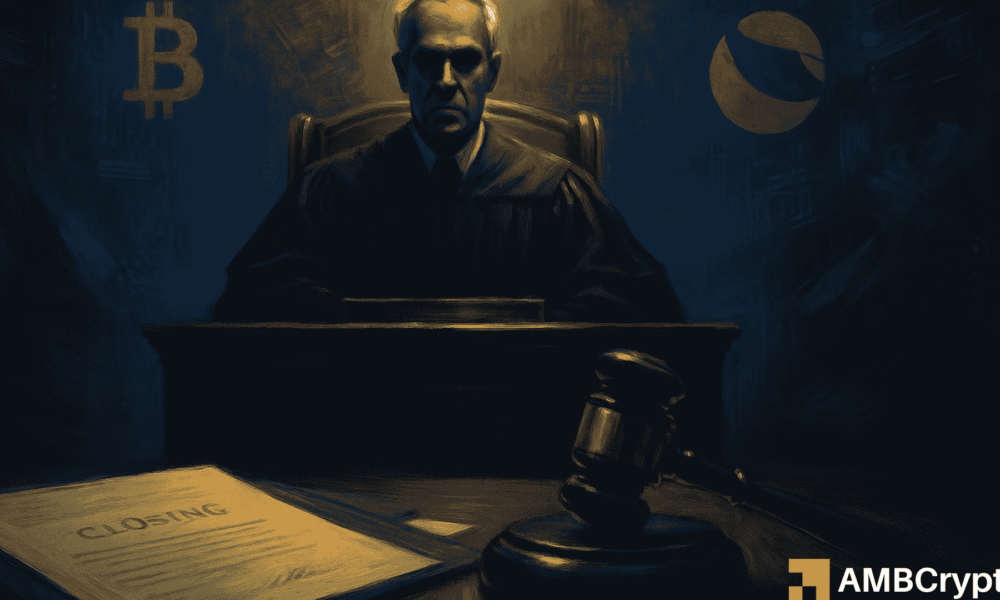
The case is now in the hands of Judge Paul A. Engelmayer, who is set to weigh both sides’ arguments before delivering a final verdict on December 11. An essential element of this case remains Kwon’s extradition status, which is still unresolved. However, U.S. authorities have made their intentions clear—they aim to bring Kwon to trial and secure a conviction that underscores the seriousness of his alleged transgressions.
Conclusion: A New Era in Cryptocurrency Accountability
As Do Kwon awaits his potential sentencing, the implications of this case extend far beyond his individual predicament. The government’s call for a 12-year sentence marks a pivotal moment in the cryptocurrency sector, signaling a new era of stringent accountability for financial misconduct. The outcome of this high-profile case could set precedent within the evolving landscape of digital assets, reflecting a growing acknowledgment of the responsibilities that come with innovation in this rapidly advancing sector. As regulators and prosecutors ramp up their scrutiny, the push for transparency and ethical practices within the cryptocurrency marketplace is likely to intensify, reshaping how investors engage with digital assets in the future.