



FSOC’s 2025 Policy Shift: From Cryptocurrency Risks to Responsible Innovation
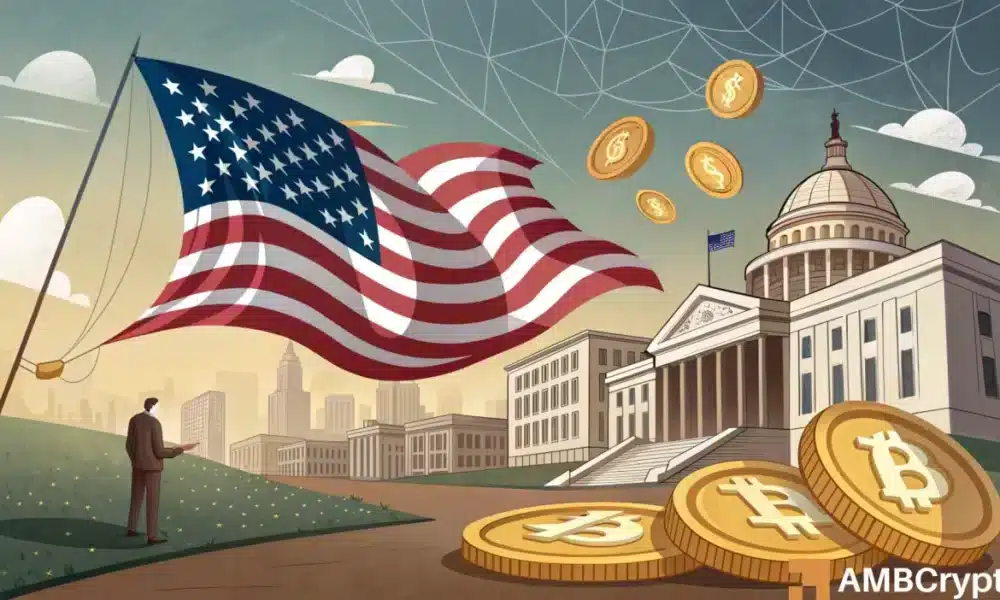
The Financial Stability Oversight Council (FSOC) is making headlines with its recently issued 2025 Annual Report, revealing a significant policy shift regarding cryptocurrencies. In a bold move, the council has officially removed cryptocurrencies from its list of systemic financial threats, marking a departure from previous cautionary statements. This shift reflects the agency’s new focus on promoting responsible growth and creating a more transparent regulatory environment for digital assets in the United States.
A New Regulatory Landscape
The 2024 FSOC report previously raised alarms about stablecoins’ potential risks, pointing to vulnerabilities that could lead to market instability. However, this year’s document adopts a more optimistic tone, praising digital assets for their ability to facilitate "secure, efficient transactions through distributed ledger technology." This change is largely attributed to legislative measures such as the Guiding and Establishing National Innovation for U.S. Stablecoins (GENIUS) Act, enacted in July 2025. Designed to encourage stablecoin innovation while managing associated risks, the GENIUS Act establishes a clear regulatory framework that was previously lacking.
Systematic Changes in Oversight
Reflecting its new perspective, the FSOC has phased out previous joint statements that primarily emphasized risks. New guidance allows banks to engage more freely in cryptocurrency activities without facing prior supervisory barriers. This operational green light signifies a substantial shift, allowing financial institutions to actively explore the digital asset landscape rather than merely expressing curiosity. Moreover, the FSOC has called for its member agencies to issue comprehensive guidelines covering digital asset custody, tokenization standards, and compliance with anti-money laundering (AML) regulations.
Evidence of Market Maturity
The implications of this regulatory shift are already being felt in the market. The report highlights the successful performance of spot Bitcoin (BTC) and Ethereum (ETH) ETFs, as well as the rapid growth of asset tokenization throughout 2025. This positive trajectory supports the notion of a maturing digital asset market that is increasingly recognized by U.S. regulators. Notable endorsements, like the Office of the Comptroller of the Currency (OCC) approving certain cryptocurrency operations, further reinforce this newfound clarity and engagement.
Risks Still in Focus
While the FSOC’s optimism is evident, it is essential to acknowledge that concerns about potential illicit financial activity involving stablecoins persist. The report indicates that although most on-chain activities are legitimate and transparent, the council stresses the importance of ongoing enforcement to target unlawful uses. This balanced approach reaffirms that while digital assets are becoming integral to the financial system, risks cannot be ignored.
Global Regulatory Challenges Ahead
The FSOC’s pivot comes amidst warnings from the Financial Stability Board (FSB) regarding inconsistent global regulations in the cryptocurrency sector. The FSB cautions that fragmented regulations across major economies could jeopardize global financial stability. Even as countries like the U.S., the EU, and Singapore develop regulatory frameworks, many jurisdictions have yet to implement comprehensive oversight measures recommended by the FSB. As a result, regulatory arbitrage remains a pressing concern for the future of digital assets.
Embracing the Future of Finance
In conclusion, the FSOC’s 2025 Annual Report signals a transformative shift in how digital assets are perceived within the U.S. financial landscape. By moving away from a narrative of risk and toward one of responsible integration, the council is endorsing digital assets as a permanent fixture in the financial ecosystem. However, the path forward requires cooperative global efforts to establish consistent regulatory frameworks, ensuring stability in an ever-evolving market. The financial world is watching, and the outcomes of these developments will play a decisive role in shaping the future of digital finance.