




U.S. Banks Gain Ground in Crypto Brokerage: OCC’s Landmark Decision and Its Implications
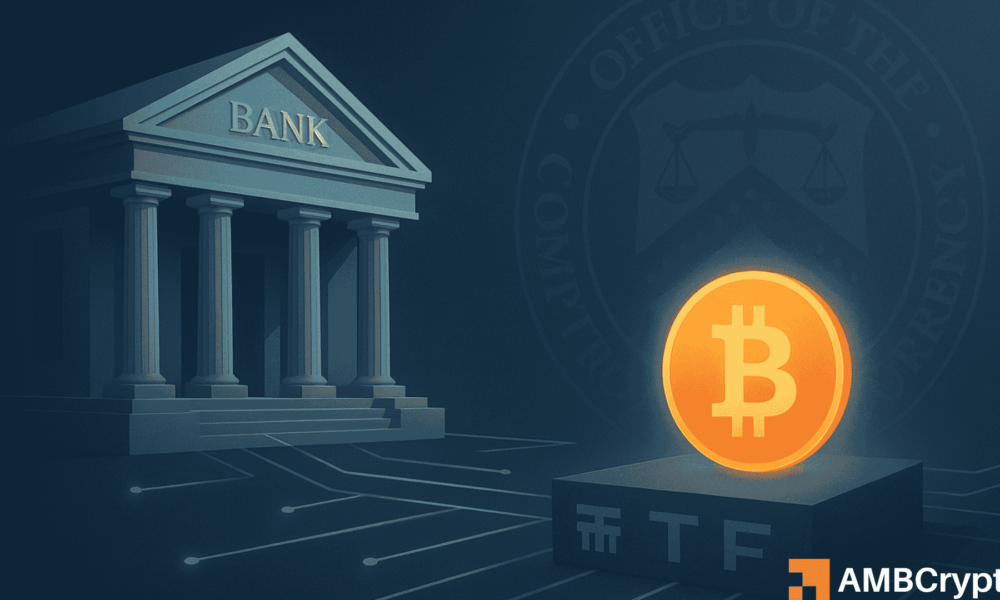
The Office of the Comptroller of the Currency (OCC) has made significant strides in integrating cryptocurrencies into the banking sector. In its recent Interpretive Letter #1188, issued on December 9, the OCC confirmed that U.S. national banks can legally engage in "riskless principal" transactions involving crypto-assets, affirming that banks have the authority to buy and immediately resell cryptocurrencies like Bitcoin without incurring market exposure. This ruling expands existing powers of banks to include digital assets that are not classified as securities, marking a crucial development in the evolving landscape of cryptocurrency.
Expanding Brokerage Powers to Digital Assets
One of the key outcomes of the OCC’s ruling is that it officially places crypto brokerage activities within established banking functions. This allows banks to conduct transactions involving cryptocurrencies without relying on external platforms, effectively creating a regulatory framework for direct crypto execution. With the OCC’s endorsement, banks can now design and offer client-facing crypto products, streamlining access for consumers while ensuring compliance with regulatory standards. This move acknowledges the growing importance of cryptocurrencies in the financial ecosystem and encourages banks to embrace innovative financial technologies.
Impact of the GENIUS Act
The OCC’s interpretive letter also aligns with broader regulatory changes initiated by the GENIUS Act, which has modernized how digital assets are viewed within the financial system. By removing outdated restrictions and clarifying the legal standing for tokenized and digital-asset activities, the GENIUS Act has facilitated a smoother integration of cryptocurrencies into the banking framework. The OCC’s decision represents a fundamental shift—from viewing cryptocurrencies as exceptions to treating them as integral components of existing banking operations, thereby fostering a regulated approach to digital assets.
Coordination Among Regulatory Bodies
Interestingly, the OCC letter came just one day after the Commodity Futures Trading Commission (CFTC) launched a pilot program allowing Bitcoin, Ethereum, and USDC to be utilized as collateral in U.S. derivatives markets. This move signifies a concerted effort among U.S. regulatory agencies to bring the trading, settlement, and collateral aspects of cryptocurrencies within the governed U.S. market infrastructure. With the CFTC also withdrawing outdated guidelines under the GENIUS Act, both agencies are signaling a move toward better-regulated environments for digital assets, instead of pushing such activities offshore.
Towards a Regulated Onshore Crypto Market
The recent actions by both the OCC and CFTC reflect a substantial shift in U.S. regulatory strategy from mere enforcement to active integration of cryptocurrencies within the financial system. This approach indicates that regulated intermediaries are expected to engage with digital-asset markets instead of shying away from them. By placing tokenization and digital assets within the supervisory perimeter, regulators are enhancing safety and compliance, thereby encouraging institutional adoption and reducing dependence on foreign exchanges.
Emphasizing Safety and Familiarity
The transition towards a regulated onshore crypto market not only better safeguards consumers but also fosters institutional confidence in digital assets. By providing a familiar regulatory framework, U.S. regulators can facilitate a smoother transition for traditional financial institutions venturing into crypto spaces. This creates opportunities for innovative financial products while still ensuring consumer protections and market integrity.
Final Thoughts
In conclusion, the OCC’s interpretive letter marks a pivotal moment for U.S. banks and the cryptocurrency market. With legal clarity provided for engaging in crypto transactions as part of traditional brokerage functions, banks can now innovate and offer products that serve their clients’ growing interest in digital assets. Combined with the CFTC’s approval for tokenized collateral, the U.S. appears poised to create a robust regulatory environment for onshore crypto markets, promoting safe and secure dealings in what has unquestionably become a vital part of the financial ecosystem.