



Understanding Virtual Private Networks (VPNs): Your Essential Guide
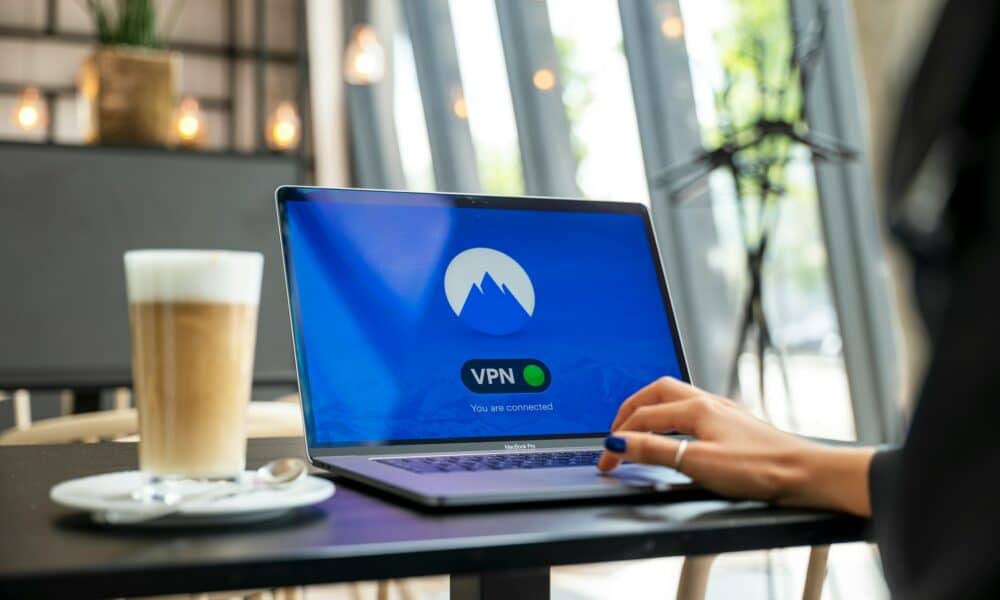
Virtual Private Networks (VPNs) have become pivotal in ensuring a secure online experience for users worldwide. By encrypting user data and masking IP addresses, VPNs protect sensitive information from prying eyes. They work by creating an encrypted tunnel between the user’s device and the internet, effectively shielding online activity from Internet Service Provider (ISP) tracking, data breaches, and restrictive geo-blocking.
VPNs secure a range of sensitive data, from payment information to work emails, allowing users to browse without the fear of being monitored. ISPs often log browsing histories and may sell this data to third-party advertisers, making VPNs essential for privacy-conscious users. By encrypting data, VPNs not only shield personal information but also prevent unauthorized access, enhancing online security and privacy.
Key Features to Look For in a VPN
When choosing a VPN, it’s crucial to evaluate your specific needs against the features offered by various providers. Connection speed, privacy credentials, server availability, and pricing are vital considerations. For those looking for recommendations, a few top performers stand out:
1. NordVPN: With over 7,300 servers, NordVPN is a leading choice, emphasizing user-friendly design and privacy features like Threat Protection Pro, double VPN options, and advanced encryption methods. Its reputation for speed and reliability makes it a favorite for streaming and secure browsing.
2. Norton Secure VPN: This service pairs seamlessly with Norton’s antivirus suite, offering a straightforward and reliable solution for users. While it has a more limited server network (65 countries), its ease of use, AES-256 encryption, and no-logs policy make it a solid option for those already invested in the Norton ecosystem.
Performance and Usability of Popular VPN Options
3. ExpressVPN: Known for exceptional speed and usability, ExpressVPN operates across 3,000 servers in 106 countries. Its proprietary Lightway protocol ensures a stable connection, whether for streaming or torrenting. The independently audited no-logs policy enhances its credibility for privacy-sensitive users.
4. Mullvad VPN: Focused on privacy, Mullvad allows users to sign up without providing personal information. It operates on a flat pricing model, includes key features like split tunneling, and offers robust speeds. Its straightforward functionality makes it ideal for privacy-focused users.
Exploring Free and Affordable VPN Solutions
5. Hide.me VPN: Offering a free tier alongside a paid subscription, Hide.me supports up to ten devices simultaneously. It boasts features like a kill switch and split tunneling, while maintaining impressive performance metrics. With a strong privacy stance, this is a solid choice for users who prioritize anonymity without breaking the bank.
6. Windscribe VPN: Known for its robust free plan, Windscribe allows unlimited connections and offers strong performance. Although its server range is limited, its VPN Pro option excels in unblocking content and provides a torrent-friendly service, making it suitable for casual users.
Enhancing Online Privacy with User-Friendly Tools
7. TunnelBear VPN: Emphasizing an approachable experience, TunnelBear combines playful design with serious security features, including a no-logs policy and independent audits. While its speeds may lag compared to higher-performance competitors, it provides a reliable VPN service without overwhelming users.
8. CyberGhost: Affordable and user-friendly, CyberGhost boasts over 12,000 servers worldwide and a stringent no-logs policy. It’s particularly beginner-friendly with dedicated streaming servers, though it may lack advanced features compared to higher-end providers.
Final Thoughts: Choosing the Right VPN for You
VPNs are invaluable tools for preserving data privacy and security, especially in today’s digital landscape filled with threats. Choosing the right service is critical; users should consider starting with free trials to gauge performance. Remember to closely evaluate server availability and connection speeds in accordance with your personal browsing habits.
In an age where online privacy is paramount, a VPN serves as your first line of defense against numerous cyber threats. Always perform due diligence when exploring options, ensuring that the provider aligns with your security needs.
Disclaimer: This article provides general information and should not be considered legal or financial advice. Readers are encouraged to conduct their own research regarding VPN services and other related products.