



The Recent Surge in Stablecoin Issuance: What It Means for the Crypto Market
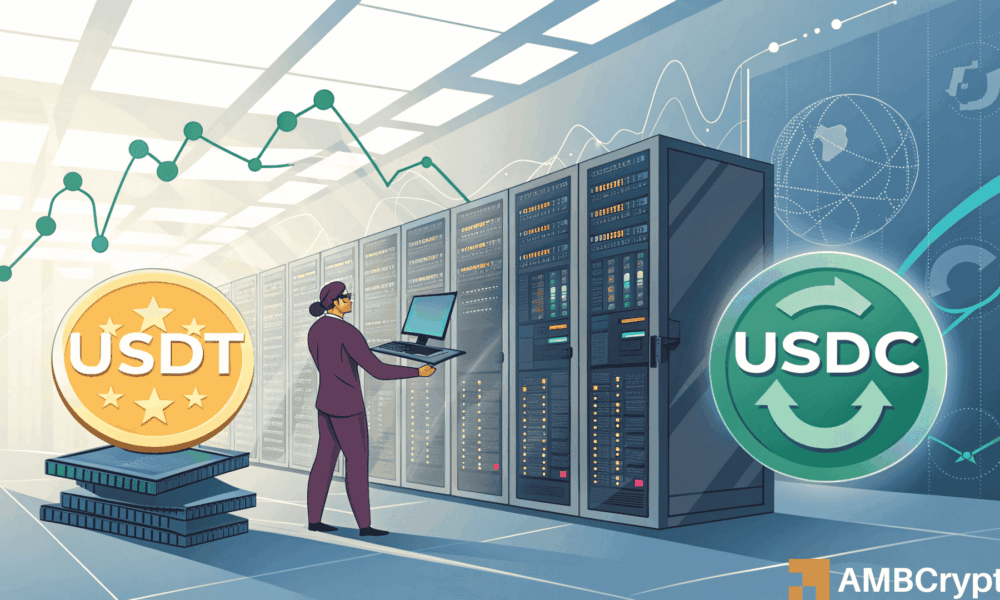
In a striking turn of events, Tether and Circle have collectively minted a staggering $1.5 billion in stablecoins within a mere two-hour window. This rapid increase in on-chain dollar liquidity comes after recent market volatility, particularly a sharp decline in leading cryptocurrencies like Bitcoin, which dipped below $93,000. Understanding this minting activity is crucial for crypto investors and traders as it provides insights into the current market landscape and various liquidity dynamics at play.
Understanding the Minting Process
On-chain data reveals that Tether, one of the leading stablecoin issuers, created $1 billion in USDT, mainly on the Tron network. Meanwhile, Circle minted about $500 million in USDC, including new supply on the Solana network. It is essential to note that large stablecoin mints are often misconstrued as signs of immediate bullish sentiment. However, the reality is that newly minted stablecoins are generally transferred to treasury or intermediary wallets before being distributed further. This liquidity may eventually be directed to exchanges, market makers, or institutional trading desks, contingent upon prevailing market conditions.
Patterns Amid Market Volatility
The recent minting activity occurred in the context of heightened volatility and widespread risk aversion within the crypto markets. Over the past week, a combination of macroeconomic uncertainties and market fluctuations resulted in sharp drawdowns for major assets, thereby prompting substantial liquidation across leveraged positions. In these tumultuous times, stablecoins offer a vital liquidity buffer. They allow traders and institutions to safeguard their capital rather than making impulsive, potentially detrimental trading decisions in an unpredictable environment.
Dominance of USDT and USDC
Dune Analytics data indicates that Tether and Circle’s USDC and USDT dominate the stablecoin supply landscape, claiming nearly 90% of the circulating stablecoin volume on the Ethereum network alone. As the largest stablecoin issuer by market capitalization, Tether holds approximately 60% of the market, while Circle retains a significant 30% share with its USDC. This dominance reinforces their critical roles as the primary dollar rails facilitating crypto trading and settlement across various blockchains, including Ethereum, Tron, and Solana.
Future Prospects for the Stablecoins
Whether this newly minted capital leads to renewed buying pressure will largely depend on subsequent market behaviors, particularly inflows into centralized exchanges and spot market demand. Historical data indicates that lasting price recoveries typically follow the deployment of stablecoins rather than their mere issuance. For investors, the key indicator will be whether there’s visible capital movement onto exchanges. Until such signs of action are evident, large minting events should be interpreted more as indicators of capital readiness rather than as confirmations of an impending market reversal.
The Current State of Market Liquidity
Despite the cautious atmosphere pervading the market, the recent stablecoin minting activity suggests that liquidity remains integral to the cryptocurrency ecosystem. Traders and investors are currently navigating through a complex blend of macroeconomic challenges and market uncertainties. The elevated levels of stablecoin supply indicate that capital continues to be engaged in the crypto space, even when the overall sentiment appears tentative.
Conclusion: What Lies Ahead
In summary, the $1.5 billion stablecoin issuance symbolizes a strategic positioning of liquidity within the crypto ecosystem. However, the mere act of minting does not confirm an immediate appetite for risk across the market. The trajectory of these newly minted stablecoins—whether they will translate into increased buying pressure—will depend on broader macroeconomic factors and vital indicators of demand in both spot and derivatives markets. As the crypto landscape continues to evolve, staying informed and adaptive is crucial for any serious investor.