



The Dramatic Collapse of USDX: Implications for DeFi
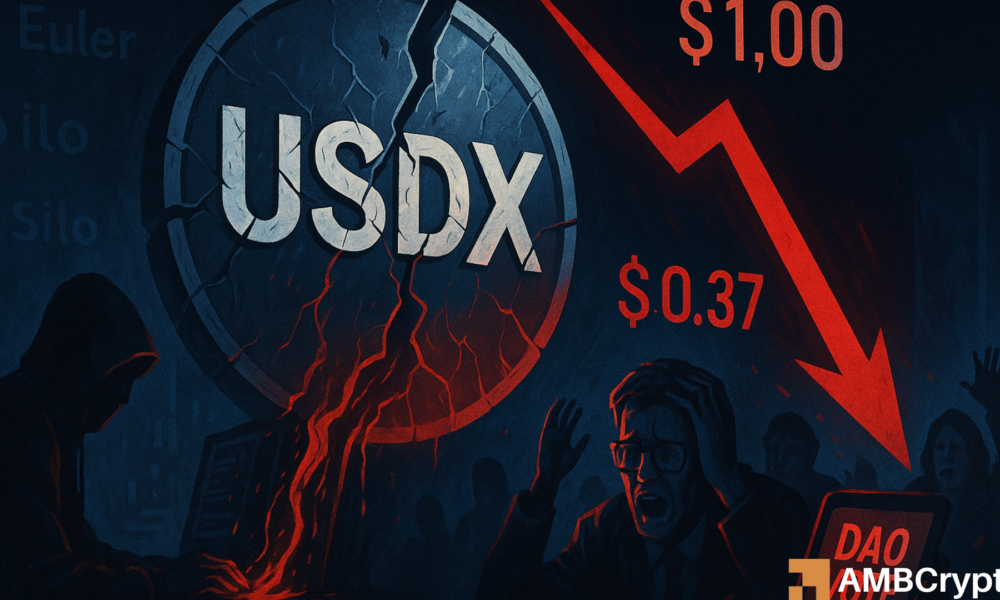
The cryptocurrency market faced a seismic event on November 6, 2023, when the stablecoin USDX plummeted from its pegged value of $1 to a staggering low of $0.37, marking a dramatic 63% crash. This forced traders and investors to reevaluate their trust in the asset and its underlying protocols. As investigations unfolded, it become evident that the crash stemmed from actions linked to USDX’s founder, Flex Yang. On-chain analysis revealed that Yang’s wallet was connected to a series of liquidity drains affecting major assets in the decentralized finance (DeFi) ecosystem. This incident raised challenging questions about transparency and risk management in the burgeoning DeFi space.
Accusations Against the Founder
As early as November 5, analysts began to suspect foul play after observing suspicious behavior involving Flex Yang’s wallet. An influential crypto analyst noted on social media that multiple wallets drained liquidity from USDC, USD1, and USDT while using USDX and its synthetic version, sUSDX, as collateral. This activity raised alarms, particularly because the borrowing interest rates shot up to 100% without any repayment intent. Questions arose regarding the rationale behind borrowing against USDX at such steep rates instead of redeeming it for USDT, igniting a wave of skepticism among the trading community.
Protocols Respond Swiftly
In the wake of these revelations, lending protocols were quick to respond. Lista DAO, one of the key platforms involved, confirmed the crisis by 9:23 AM GMT on November 6. They had been monitoring related vaults and identified "abnormally high borrowing rates" without any activity to repay the borrowed assets, which prompted them to take immediate action. The urgency of the situation led to a call for a community emergency vote, culminating in the overwhelming support for proposal LIP022. This decisive move aimed to liquidate the compromised positions and mitigate further impact on users.
Emergency Liquidation Procedures
Lista DAO established a rigorous emergency framework to protect its users following the crash. The proposal passed with swift community backing allowed for immediate liquidation proceedings, which were reported to be "nearly complete." In an impressive show of cooperation, Re7 Labs also responded proactively to the crisis, ensuring that measures taken were in the best interest of affected users. As a part of the liquidity recovery strategy, the interest rates for the USDX/USD1 market were drastically reduced to 3%. Furthermore, all remaining positions were shifted to a public liquidation pool, thereby enhancing transparency in a turbulent situation.
Market Consequences and Trading Volatility
The fallout from USDX’s collapse echoed across the broader crypto market, resulting in significant fluctuations in trading volumes. The token experienced wild price swings throughout the day, signaling panic among traders and investors. This depegging incident has been marked as one of the most significant stablecoin failures of 2025, highlighting ongoing concerns about collateral management in the DeFi space. According to a recent report from Rise, there have been nine noteworthy stablecoin depeg events throughout the year, but most were resolved within hours, indicating a need for improvement in the management mechanisms of these assets.
Ongoing Challenges and Community Sentiment
As the dust begins to settle, the DeFi community is left grappling with a range of unresolved issues. Despite the swift actions initiated by various protocols, Stables Labs, the company behind USDX, has remained conspicuously silent. They have yet to address the burgeoning allegations or provide insights into how they plan to recover the stability of USDX. As users await answers regarding the liquidity drainage and the potential recovery steps being considered, the incident casts a long shadow over trust in DeFi platforms. The unfolding story serves as a critical reminder of the inherent risks associated with decentralized finance and the urgent need for robust governance and oversight mechanisms to safeguard users’ interests.
In summary, the USDX crash epitomizes the volatile nature of the cryptocurrency landscape. The actions of a founder resulted in far-reaching consequences, prompting multiple protocols to take emergency measures. As the community looks for answers, the entire event underscores the pressing need for stronger practices in liquidity management and transparency within the DeFi sector.