




The GENIUS Act: A Landmark Development for Stablecoin Regulation in the U.S.
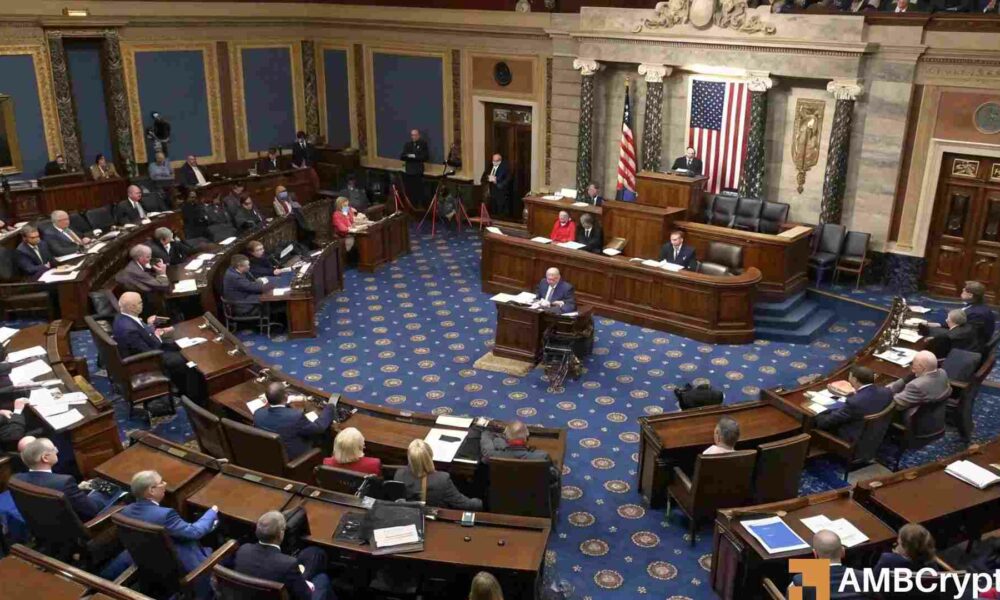
On May 19, 2023, the GENIUS Act, a significant piece of legislation aimed at regulating stablecoins, successfully passed a key vote in the U.S. Senate. This pivotal step sets the stage for a comprehensive framework for the cryptocurrency market, making it a landmark development in the ongoing evolution of digital finance. With strong bipartisan backing, the bill garnered 66 affirmative votes, eclipsing the necessary 60-vote threshold, while only 32 senators cast their votes against it. This success follows an earlier attempt on May 8, where the bill faced significant opposition, particularly from Democratic senators led by Ruben Gallego and Elizabeth Warren.
The recent Senate vote reflects a shift in perceptions surrounding the GENIUS Act, with some key Democrats voting in favor this time. The support for the bill showcases a growing consensus on the necessity of clear regulations in the digital assets market. Notably, 16 Democrats joined their Republican counterparts in endorsing the legislation, signaling that concerns about stablecoin governance might be finding a middle ground in Congress. Despite the mixed views, the Senate’s decision highlights the importance of bipartisan collaboration in addressing contemporary financial challenges.
Influences Behind the Bill’s Passage
The recent vote’s favorable outcome was partly attributed to the efforts of advocacy organizations such as Fairshake and Stand With Crypto (SWC). These groups mobilized their resources to inform and engage the public, encouraging them to contact their lawmakers. Reports indicate that SWC’s outreach efforts, which included tens of thousands of communications with senators and a livestream viewed by over 120,000 people, played a vital role in shaping the legislative narrative surrounding the GENIUS Act. This grassroots influence demonstrated the power of organized advocacy in modern politics and its potential to impact significant legislative measures.
Moreover, several senators who backed the bill were reportedly supported by Fairshake in previous elections, underlining the union between political support and advocacy efforts. CEDAR Innovation Foundation, linked to Fairshake, expressed congratulations to the Senate for its decision. This statement emphasized the importance of the bill in advancing clear guidelines for digital asset markets, showcasing the urgency and demand from voters for stable regulations in the crypto space.
Reactions from Industry Leaders
The passage of the GENIUS Act has filled many in the cryptocurrency sector with optimism. Alex Thorn, head of research at Galaxy Digital, referred to the vote as a "big victory" for the industry, highlighting the critical nature of having a clear legal framework. Senator Bill Hagerty echoed this sentiment, predicting that the act would revolutionize American payment systems and lead to significant growth in the demand for U.S. treasuries. According to Hagerty, the marketplace for digital assets would thrive, providing more security and fostering innovation in the long run.
However, not all perspectives were positive. Prominent Democratic senators, including Elizabeth Warren, raised concerns about the potential implications of the bill. Warren argued that the act could exacerbate corruption within big tech firms and further entrench President Donald Trump’s interests in the stablecoin space. Her critics warned that this legislation could empower individuals and corporations with political ties to regulate their own financial products without appropriate oversights and checks in place.
The Path Forward: Floor Debate and Final Vote
With the Senate having cleared a crucial hurdle, the next steps involve a floor debate and potential amendments to the bill. This stage of the legislative process is crucial as it allows senators to voice their concerns, propose changes, and further refine the legislation. Following this debate, a final Senate vote will take place, requiring a simple majority of 51 votes from the 100-member chamber. Many anticipate that this final vote could occur shortly after Memorial Day, around May 26.
The successful passage of the bill through the Senate is only one part of the legislative process. The House of Representatives will also need to review and approve the GENIUS Act before it can be sent to the president for final approval. The willingness of both chambers to engage in healthy deliberation will be instrumental in determining the future of stablecoin regulation in the United States.
Broader Implications for the Cryptocurrency Market
If enacted, the GENIUS Act will have far-reaching implications for the cryptocurrency market and its stakeholders. By establishing a regulatory framework for stablecoins, the bill aims to enhance consumer protection, foster innovation, and provide clarity for investors. This clarity is particularly important in a rapidly evolving digital asset landscape where uncertainty can stifle growth and discourage investment.
Furthermore, with recent surges in interest and investment in cryptocurrencies, regulatory certainty could attract more institutional players and traditional financial institutions. Increased trust and legitimacy could drive more extensive adoption of digital assets, leading to a more vibrant and integrated financial ecosystem. The implications for both the American economy and global markets cannot be understated as the U.S. seeks to position itself as a leader in the burgeoning world of digital finance.
Conclusion: A New Era for Digital Finance
The successful progression of the GENIUS Act through the Senate marks a pivotal moment in the regulatory landscape of stablecoins and digital assets in the U.S. As bipartisan efforts continue to drive the conversation around cryptocurrency regulations, the implications of the bill are poised to resonate far beyond the confines of Capitol Hill. With active engagement from advocates, industry leaders, and legislators alike, the future of stablecoins may usher in an era of increased transparency, innovation, and protections for consumers, laying a robust foundation for the digital financial markets of tomorrow. The upcoming debates and decisions will undoubtedly influence the ultimate effectiveness of this legislation and determine how the U.S. navigates the evolving challenges of the digital economy.