


South Korea’s Potential Ban on USD-Based Stablecoins: An Overview
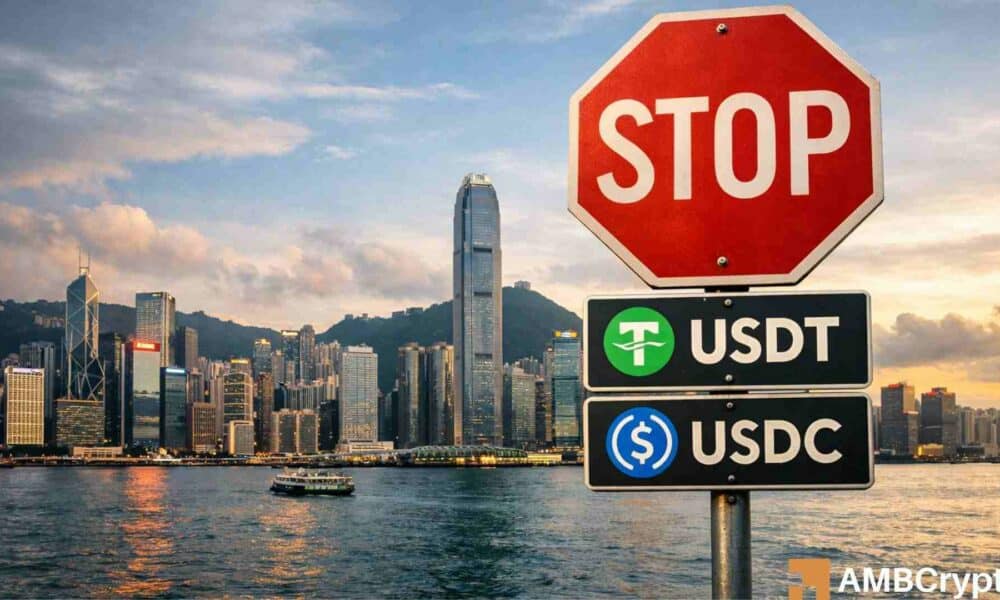
In a significant move that could alter the landscape of cryptocurrency regulations in Asia, South Korea is considering the exclusion of USD-based stablecoins, particularly Tether’s USDT and Circle’s USDC, from its forthcoming corporate crypto trading guidelines. According to reports from local outlets, the Financial Services Commission (FSC) aims to implement these changes to safeguard against indiscriminate investments early in the evolving market. This regulatory strategy reflects a broader intention to create a more robust framework for corporate engagement in cryptocurrency trading amid increasing institutional adoption worldwide.
Context of the Regulatory Shift
South Korea’s current legal framework, governed by the Foreign Exchange Transactions Act, does not acknowledge stablecoins as means of external payment. Although there has been a movement to amend this Act to include stablecoins, such changes remain pending. Despite regulatory hurdles, local firms have advocated for stablecoin inclusion to mitigate exchange rate risks and enhance transaction efficiency. The ongoing conversation about the treatment of stablecoins underscores the tension between evolving market needs and established regulations.
Proposed Corporate Crypto Regulations
For nearly a decade, South Korea’s crypto market has primarily been led by individual retail investors. However, with institutional crypto adoption gaining traction in the United States, the European Union, and other parts of Asia, South Korea is now moving towards clear regulations for corporations engaging in crypto investments. The upcoming framework by the FSC will permit eligible firms to invest up to 5% of their capital in certain digital assets, specifically Bitcoin (BTC) and Ethereum (ETH). Notably, these transactions will be limited to regulated exchanges like Upbit and Bithumb, providing a safer environment for corporate investors.
The Drive for Korean-Won Stablecoins
While the South Korean government weighs these regulations, there has been an ongoing push for stablecoins pegged to the Korean Won (KRW) since last year. This move reflects a desire for monetary sovereignty and a reduction in reliance on US dollar-denominated stablecoins. The strategic exclusion of USDT and USDC could be part of a broader national agenda to foster domestic stablecoin development, resonating with similar initiatives observed in China and Russia, where stablecoin adoption has been framed as a matter of national security.
Stablecoin Activity in Asia
Globally, the stablecoin market has exploded, with a valuation of over $300 billion, thanks primarily to rapid adoption and the advantages they offer for low-cost, fast international transactions. However, USD-based stablecoins like USDT and USDC still dominate, with over 90% of the market share. Intriguingly, Asia has emerged as a focal point for stablecoin activity, with projections estimating that it will account for 60% ($245 billion) of the total transactions by 2025. Nonetheless, many Asian nations are actively seeking to develop their local stablecoins to secure autonomy from US dollar dominance.
The Future of Stablecoins in South Korea and Beyond
The evolving regulatory landscape in South Korea raises questions about how foreign stablecoins will compete with USDC and USDT. As various governments in Asia position themselves strategically to challenge the dominance of the U.S. dollar-based stablecoins, the future remains uncertain. The emphasis on local stablecoin solutions could lead to a shift in the global dynamic of cryptocurrency markets, positioning Asian economies as significant players in the development and adoption of digital currencies.
Conclusion
In summary, South Korea’s consideration to exclude USDT and USDC from corporate crypto trading reflects a broader attempt to establish clarity and security in blockchain investments while fostering local currency solutions. As Asia continues to dominate the global stablecoin market, the push for region-specific digital currencies may reshape financial transactions and international trade dynamics. The ongoing regulatory conversations in South Korea will undoubtedly influence future innovations and investment strategies, marking a pivotal era for the cryptocurrency landscape in Asia and beyond.