



Solana’s Resilience During the AWS Outage: What It Means for the Future
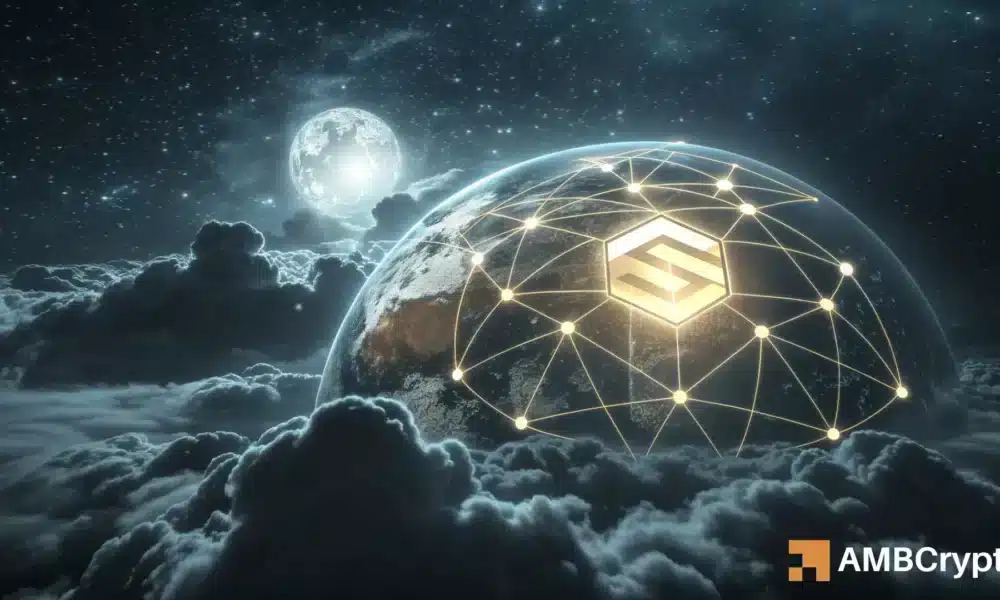
The recent outage of Amazon Web Services (AWS) on October 20th sent shockwaves across the digital economy, impacting numerous sectors, including crypto. While many prominent platforms faced significant interruptions, Solana (SOL) emerged remarkably unscathed, maintaining consistent transaction throughput. This resilience has raised questions about Solana’s infrastructure, its impact on institutional confidence, and potential price movements in the future.
Solana’s Robust Performance Amidst Disruption
During the AWS outage, which brought many platforms to a standstill, Solana was remarkably stable. Unlike others in the crypto space, including Coinbase’s Base and MetaMask, Solana recorded zero drop in transaction throughput. This performance distinguished Solana as the best-performing blockchain among Layer-1 tokens during the disruption. Thanks to its unique infrastructure, Solana maintained optimal transactions per second (TPS) and uninterrupted validator participation.
The Strength of Solana’s Validator Network
The primary reason for Solana’s continued operation during the AWS disruption lies in its decentralized validator network. Most SOL validators operate on independent setups or alternative cloud services, with only a small portion relying on AWS. This diversified approach to validating transactions minimizes vulnerability to outages affecting major centralized systems. Consequently, Solana’s network showed exceptional strength and reliability, emphasizing the importance of decentralization not just in protocol but also in physical infrastructure.
Implications for Institutional Confidence
Solana’s impressive performance during the outage has sparked renewed interest among institutional investors. According to recent assessments, the Stablecoin Market Cap on the Solana network has surged, topping $15 billion. This significant growth reflects increasing institutional confidence in Solana as a viable platform for launching new tokens. As trust in Solana strengthens, this could signal potential price upside for SOL in the near future, despite short-term volatility.
Analyzing Price Trends and Market Sentiment
Although Solana has demonstrated robust on-chain metrics and positive developments, the current market structure presents a mixed outlook. The daily chart reveals the potential formation of a head-and-shoulder pattern, often associated with bearish reversals. Additionally, SOL has faced challenges in breaking through resistance at the $198 EMA. While short-term price movements appear bearish, the overarching positive sentiment surrounding Solana’s fundamentals and institutional backing could influence a bullish trajectory in the long run.
The Road Ahead for Solana
Moving forward, Solana’s ability to maintain its operational resilience will be critical as it faces ongoing competition in the crypto landscape. The recent AWS outage has highlighted the advantages of Solana’s decentralized approach, potentially attracting more developers and projects to its network. As the market evolves, ongoing analysis of Solana’s performance, transaction volume, and institutional adoption will be vital for understanding its future trajectory.
Conclusion
In conclusion, Solana’s adept handling of the AWS outage signals both resilience and operational strength, distinguishing it from other platforms heavily reliant on centralized services. As institutional confidence in Solana continues to grow, the potential for price increases becomes more tangible. However, investors should remain cautious, keeping an eye on market indicators and chart patterns. Ultimately, Solana’s commitment to decentralization and innovation paves the way for a promising future in the rapidly changing digital economy.