



Exploring Blockchain Activity: Solana vs. Ethereum and the Diverging Roles of Major Networks
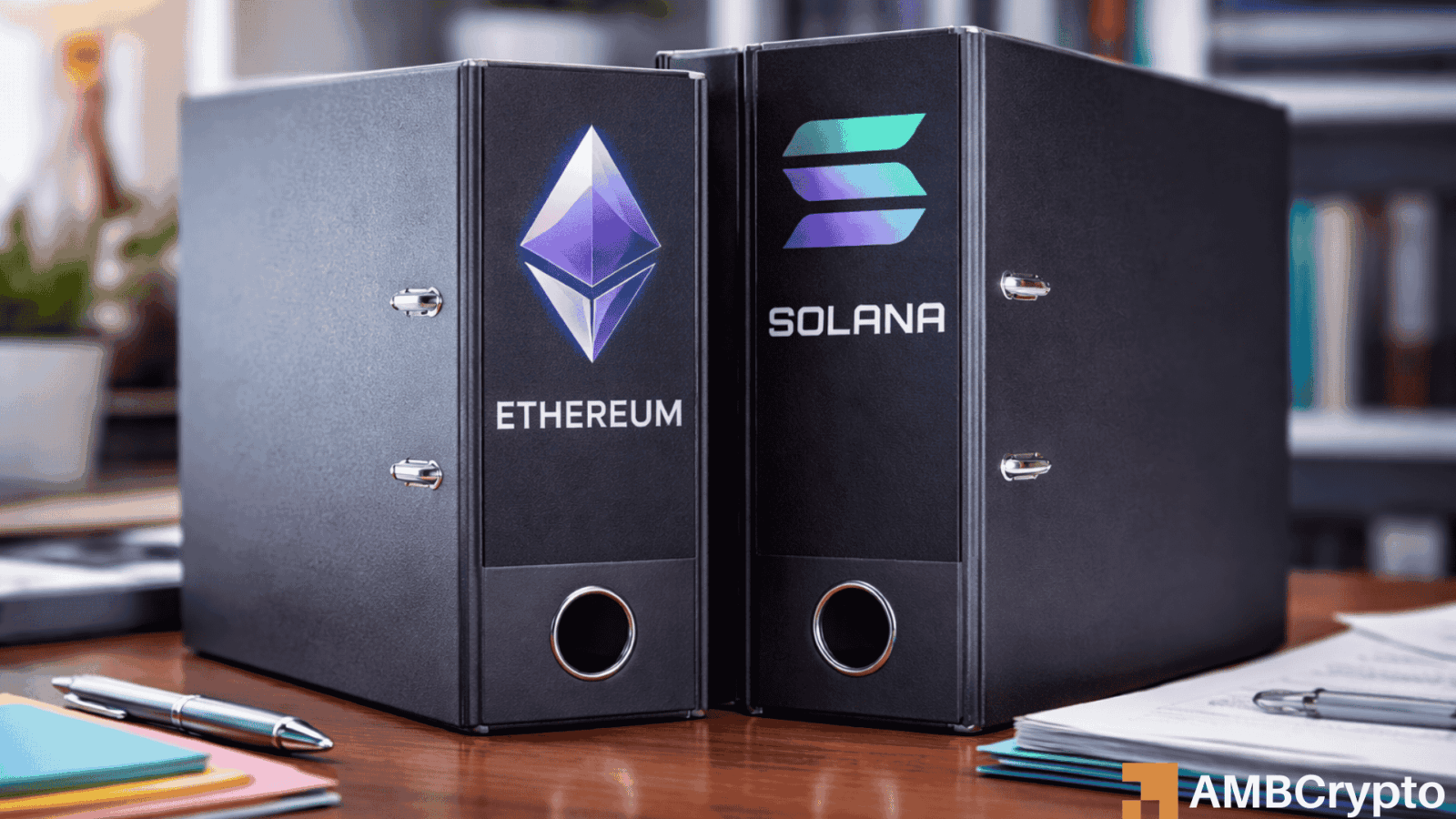
The world of blockchain technology is rapidly evolving, with activity across major networks continuing to rise. Recent data reveals a striking distinction in how this activity is defined, particularly between Solana and Ethereum. In the first quarter of 2026, Solana processed an astonishing 10.1 billion transactions, marking a significant milestone as it surpassed the 10 billion threshold in a single quarter for the first time. In stark contrast, Ethereum recorded just over 200 million transactions during the same period. While this disparity in transaction counts may suggest a competitive edge, it reflects diverging roles between the two networks and their respective approaches to blockchain utilization.
The Driver of Solana’s Transaction Boom
Solana’s remarkable transaction growth can be attributed to its unique core design, which focuses on high throughput and low fees. Unlike many other blockchain platforms, Solana has positioned itself as a facilitator for high-frequency activities, including trading, gaming, and automated transactions. This characteristic not only allows the network to process billions of transactions each quarter but also accelerates its activity level heading into 2025 and beyond. This model is purpose-built for speed and volume, allowing users to engage in frequent interactions without incurring prohibitive costs. Consequently, Solana’s capabilities have carved out a niche in the blockchain ecosystem, fulfilling the needs of users seeking rapid and cost-effective transaction processing.
Ethereum: The Value Layer
While Solana stands out for its quantity, Ethereum showcases a different growth trajectory. Despite having a significantly lower transaction count, Ethereum remains a cornerstone of high-value activities—including decentralized finance (DeFi), institutional transactions, and Layer 2 settlements. Instead of focusing on maximizing raw throughput, Ethereum’s ecosystem has evolved towards a model where activity is distributed across various scaling layers, with the main chain functioning as a secure and efficient settlement layer. This approach results in fewer transactions, yet each interaction typically carries higher value. In this way, Ethereum emphasizes the importance of economic activity over sheer numbers, crafting a robust environment for financial solutions and innovative applications.
Understanding Blockchain Activity Metrics
The contrast between Solana and Ethereum elucidates a wider shift in how blockchain activity is measured. Solana’s statistics indicate a focus on quantity, demonstrating its ability to efficiently handle massive transaction volumes. Conversely, Ethereum’s metrics highlight what can be described as value density, where fewer transactions yield significant economic outcomes. This realization suggests that relying solely on raw transaction counts can be misleading when gauging network dominance. The nuanced understanding of blockchain utilization reveals that each network has its unique strengths, making it crucial to consider both quantity and quality in the assessment of overall blockchain activity.
The Emergence of Specialization
Recent data points suggest that blockchain ecosystems are not competing in a traditional sense but rather specializing in different niches. Solana is emerging as a high-throughput execution environment capable of handling vast transaction volumes, while Ethereum continues to operate as a foundational settlement layer for a wider variety of applications. This bifurcation signifies a multi-chain reality where distinct networks optimize for specific use cases, allowing them to coexist harmoniously rather than vying for direct competition.
The Future of Blockchain Networks
The ongoing evolution of both Solana and Ethereum indicates a broader trend within the blockchain landscape, one that is likely to shape the future of decentralized technologies. Solana’s 10.1 billion quarterly transactions underline its strength in high-throughput, low-cost environments tailored for fast-paced activities. In contrast, Ethereum’s 200 million transactions signify its indispensable role as a high-value settlement layer, prioritizing quality and security over sheer transaction volume. The simultaneous expansion of these contrasting models demonstrates a growing interconnectedness among blockchain networks, allowing for innovation and specialization that benefit the wider ecosystem.
Conclusion: A Diverse Blockchain Landscape
In conclusion, the current state of blockchain activity highlights the distinct, yet complementary, roles played by Solana and Ethereum. Solana’s impressive transaction volume serves as a testament to its unique capabilities in handling high-frequency activity, while Ethereum continues to establish itself as a reliable ecosystem for high-value economic interactions. As blockchain technology progresses, understanding the divergence in approaches and metrics will be vital for developers, investors, and users alike. This diverse landscape promises innovative solutions and opportunities for a range of applications, ensuring that different blockchain networks can thrive according to their unique strengths and capabilities.