




SharpLink Gaming’s Stock Plunge: Analyzing the SEC Filing Misunderstanding and Strategic Shift
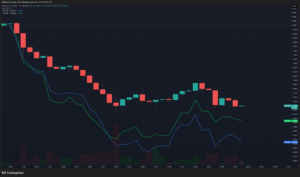
SharpLink Gaming recently experienced a dramatic decline in its stock value, plunging nearly 66% after a misinterpreted SEC filing triggered investor panic. This incident has highlighted the importance of clear communication and investor understanding in the rapidly evolving landscape of cryptocurrencies and traditional finance (TradFi).
The SEC Filing and the Immediate Fallout
On June 13, SharpLink released a Form S-3 shelf prospectus with the SEC, which was intended to register shares for potential resale by prior investors. Unfortunately, this filing sparked confusion that led to a steep decline in the company’s stock price, falling from a prior closing price of $32.53. This sudden drop raised questions about investor sentiment and highlighted the volatility that can surround newly adopted financial practices.
Clarification from Leadership
In response to the chaos, SharpLink’s Chairman Joseph Lubin, who also serves as the CEO of Consensys, attempted to clarify the situation for investors. He emphasized that the filing was standard procedure and not indicative of actual sales. The misreading of the purpose behind the filing potentially contributed to the panic sell-off. Lubin stated, "The ‘Shares Owned After the Offering’ column is hypothetical," reassuring investors that neither he nor Consensys had sold shares.
Addressing Misinformation
Consensys General Counsel Matt Corva further downplayed the situation, labeling it “a bunch of FUD” (fear, uncertainty, and doubt). He explained that the filing did not imply imminent sales and reiterated that it was a routine administrative step reflective of TradFi procedures. Corva compared the registration process to the minting of tokens within a smart contract, underscoring the need for clarity amidst the complexities of financial filings.
SharpLink’s Strategic Shift: Embracing Ethereum
Despite the miscommunication, SharpLink’s strategic move to establish an Ethereum treasury through a $425 million Private Investment in Public Equity (PIPE) deal shows promise. This decision aligns SharpLink with emerging trends among public companies that are diversifying their treasuries with altcoins, particularly Ethereum, Solana, and Ripple. This shift reflects an evolving appetite among investors who are increasingly interested in cryptocurrencies beyond Bitcoin.
Broader Implications for Public Companies
The trend toward cryptocurrency diversification in corporate treasuries suggests a significant change in how companies approach asset management. SharpLink’s decision notably mirrors the Bitcoin-centric treasury strategies of other firms but distinguishes itself by favoring Ethereum and issuing new shares as opposed to relying on debt instruments. This strategic pivot positions SharpLink not only as a participant in the cryptocurrency ecosystem but may also indicate a growing acceptance of altcoins in traditional markets.
Conclusion: Navigating the Future
As SharpLink Gaming navigates this tumultuous period characterized by stock fluctuations and strategic realignments, the importance of clear communication with investors cannot be overstated. The recent drop serves as a cautionary tale about the potential impacts of misinformation in today’s fast-paced financial environment. However, the company’s commitment to embracing Ethereum and diversifying its treasury could provide long-term benefits, paving the way for a future where public companies increasingly engage with the burgeoning world of cryptocurrencies. By maintaining a vigilant focus on investor education and transparency, SharpLink and others in the space can better position themselves for sustainable growth in both TradFi and the evolving crypto landscape.