



The SEC’s Cautious Evaluation of Grayscale’s Multi-Asset Crypto ETF Options
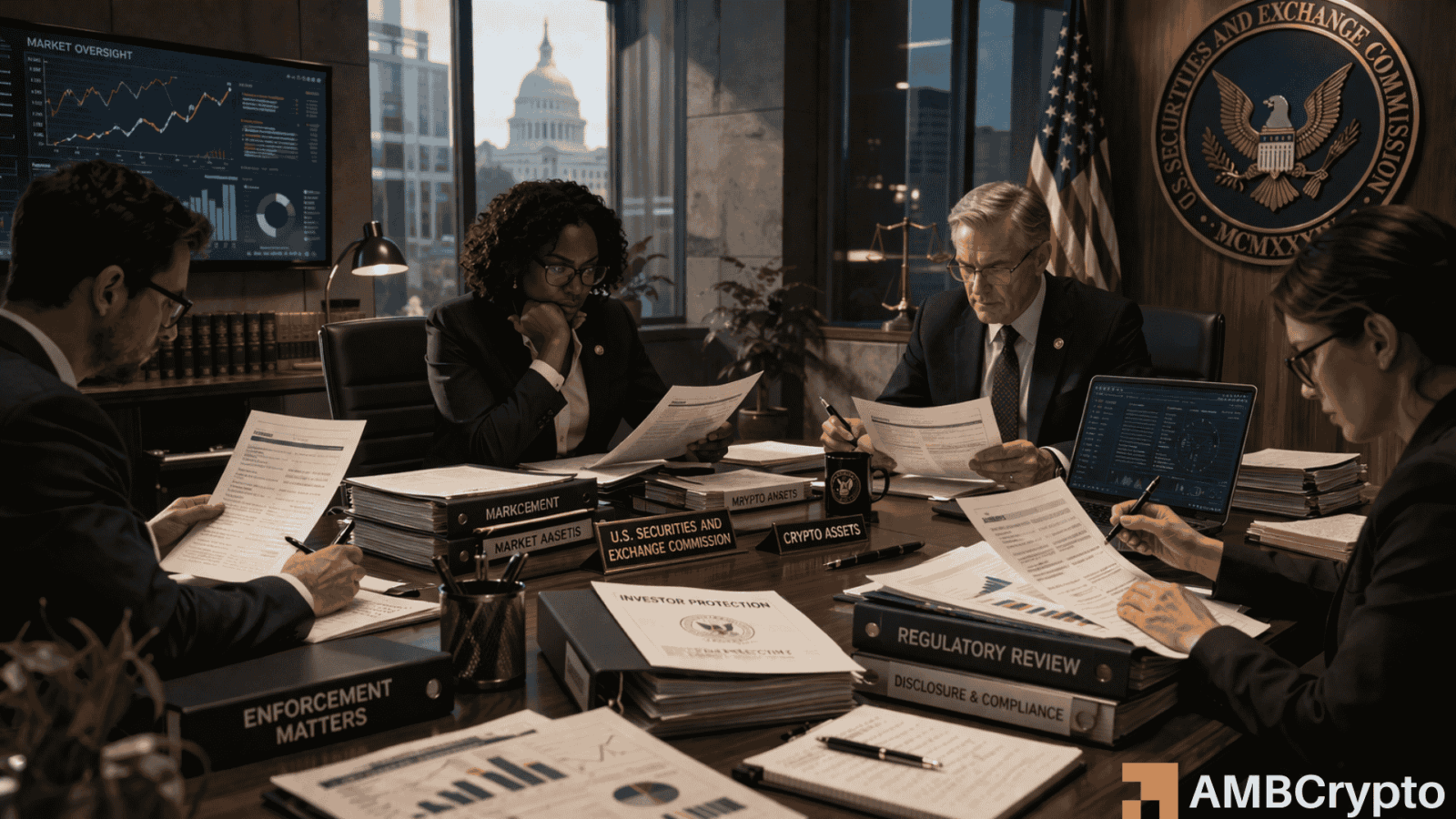
The U.S. Securities and Exchange Commission (SEC) has begun formal proceedings to assess a recent proposal to list options on the Grayscale CoinDesk Crypto 5 ETF. This action signifies the ongoing cautious stance regulators maintain towards cryptocurrencies and related derivatives. Notably, this procedural step does not imply a decision favoring or opposing the proposal; instead, it indicates that the SEC requires further public input and analysis before reaching a final verdict.
Overview of the Proposed ETF Options
The application, submitted by NYSE American, aims to list options on the Grayscale CoinDesk Crypto 5 ETF, abbreviated as GDLC. This ETF is designed to track a diversified portfolio of major digital assets, with significant allocations towards Bitcoin and Ethereum, as well as smaller representations of other cryptocurrencies like XRP, Solana, and Cardano. The proposed options are to be physically settled and will operate under established exchange regulations, complemented by standard surveillance and reporting measures. This development marks an essential step in the evolving landscape of cryptocurrency investment vehicles, allowing traders increased flexibility in managing their digital asset exposure.
SEC’s Call for Scrutiny and Public Commentary
The SEC’s decision to open a formal review reflects a prudent approach to regulation. The agency seeks to determine whether the proposal meets criteria under the Securities Exchange Act, with particular emphasis on safeguarding investors and preventing potential fraud. One of the critical areas for evaluation will be whether adequate analysis has been provided to demonstrate that the proposed options are not susceptible to market manipulation. This scrutiny indicates the SEC’s vigilance regarding the inherent risks associated with cryptocurrency products and the need for solid regulatory frameworks.
Addressing Market Integrity Concerns
The introduction of options on a multi-asset crypto ETF symbolizes the complexity and sophistication emerging within the U.S. cryptocurrency market. Such developments allow traders not only to speculate on digital asset performance but also to hedge against risks through traditional financial instruments. However, the progress toward more intricate derivatives has been met with a considerable degree of caution from regulators. The SEC’s apprehension towards market integrity is driven by experiences of volatility and manipulation within the crypto space, underlining the need for stringent oversight.
The Process Ahead: What Comes Next?
As part of the proceedings, the SEC has invited public commentary on the proposal. Stakeholders, including financial analysts, investors, and government agencies, have the opportunity to provide insights on whether the listing aligns with standards for investor protection. While no specific timeline has been established for a final decision, the SEC will evaluate all submitted comments during this review period. This iterative process underscores the regulatory complexity involved in integrating new financial products into the existing market framework.
Incremental Progress in U.S. Crypto Regulation
The SEC’s current actions reflect a recurring theme in the regulatory landscape of U.S. cryptocurrency: incremental progress coupled with ongoing scrutiny. The move towards multi-asset crypto ETF options indicates a gradual shift in how digital assets are perceived and processed within traditional financial systems. However, this evolution is accompanied by rigorous examination to ensure that inherent risks are managed adequately. As the regulatory environment continues to develop, stakeholders in the crypto sector must remain vigilant, understanding that each change may have significant implications for market dynamics and investor confidence.
Conclusion: The Balancing Act of Innovation and Regulation
The SEC’s proceedings concerning the Grayscale CoinDesk Crypto 5 ETF’s options illustrate the balancing act between fostering innovation in financial products and ensuring robust investor protections. As the market for cryptocurrency-based derivatives continues to expand, regulatory bodies must navigate the complexities of maintaining market integrity while accommodating the growing demand for sophisticated financial instruments. This situation serves as a pivotal moment for the U.S. crypto landscape, highlighting the essential dialogue between regulators and market participants as they collectively shape the future of digital asset investment.