


The SEC’s Stance on Tokenized Securities: A Crucial Regulatory Reminder
The Securities and Exchange Commission (SEC), the primary regulatory body for securities in the U.S., has reiterated the status of tokenized securities as still being categorized under federal securities law. In a recent statement, the SEC emphasized that regardless of their digital or traditional format, all securities must adhere to the provisions outlined in the Securities Act. This means that every offer or sale of a security, whether issued off-chain or on-chain, must be registered with the SEC unless a specific exemption applies. This clarification reinforces the SEC’s commitment to maintaining regulatory consistency across both traditional and digital financial markets.
According to the SEC’s guidance, tokenized stocks can be classified into two distinct categories: issuer-sponsored and third-party sponsored on-chain stocks. Issuer-sponsored tokenized stocks transfer rights and protections directly to the holder, ensuring that investors are afforded the same level of security as with traditional equity securities. In contrast, third-party sponsored stocks may offer varying ownership rights and protections, adding complexity to the landscape of tokenized trading. This categorization is a crucial factor for both investors and issuers looking to navigate the emerging environment of digital asset trading effectively.
Key industry players are responding to these developments, with companies like Securitize highlighting the importance of regulatory clarity for the growth of the tokenization sector. Securitize has pointed out that well-defined frameworks are essential to responsibly scale tokenization, emphasizing the need for a balanced approach to regulation that protects investors without stifling innovation. This sentiment echoes a broader optimism among digital asset firms about the future of tokenized securities, as the market continues to mature and attract new participants.
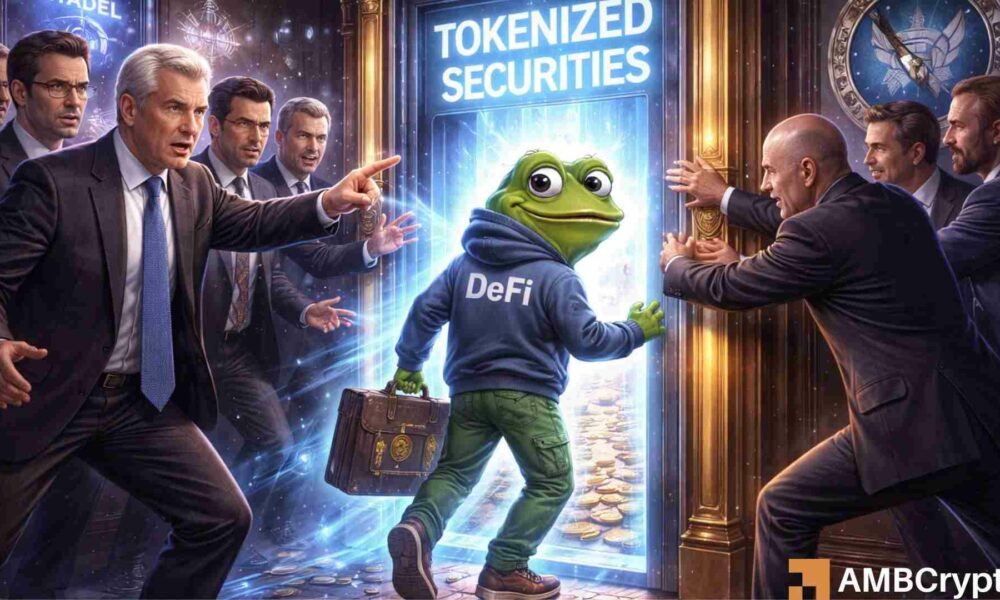
Despite this optimism, Wall Street firms have raised concerns about the potential implications of granting broad exemptions for tokenized securities under decentralized finance (DeFi) platforms. In a recent meeting with the SEC, representatives from major financial institutions such as Citadel and JPMorgan Chase expressed apprehensions, particularly in light of past market disruptions like the October flash crash. They argued that offering leniency in regulatory oversight could compromise investor protections and contribute to market volatility. Therefore, they are advocating for stringent regulations that align DeFi operations with traditional market standards, ensuring consistency across types of securities.
The debate over DeFi exemptions is a contentious topic among various industry stakeholders. While traditional finance (TradFi) advocates argue for rigorous oversight, DeFi proponents argue for exemptions based on their unique, decentralized structure. The clash of perspectives highlights the complexities of governing a rapidly evolving digital securities landscape. Notably, some industry players believe that the objections raised by TradFi representatives, such as Citadel, are unfounded and limit the potential of innovative financial solutions.
Despite regulatory challenges, the tokenized securities sector is experiencing significant growth. As of the latest reports, the number of tokenized securities holders has surged to nearly 300,000 users, demonstrating a remarkable growth rate, particularly in January when the numbers doubled. Additionally, trading volume for on-chain stocks is approaching the $1 billion mark, reflecting a robust interest in these digital financial instruments. Such trends indicate that the market is steadily maturing, and the appetite for tokenized assets is becoming increasingly mainstream.
In conclusion, the SEC’s reaffirmation that tokenized securities must comply with federal securities laws underscores the regulatory landscape’s complexity. While Wall Street remains apprehensive about the potential implications of exempting DeFi platforms from traditional regulations, the growing momentum in tokenized securities suggests a shift in investor sentiment and market behaviors. The ongoing dialogue between traditional finance and emerging digital asset platforms will be pivotal in shaping the future of securities regulation, with the industry’s trajectory likely resting on finding common ground between innovation and investor protection.