




Aggressive Crackdown on Crypto Fraud: U.S. Authorities Seize Over $580 Million
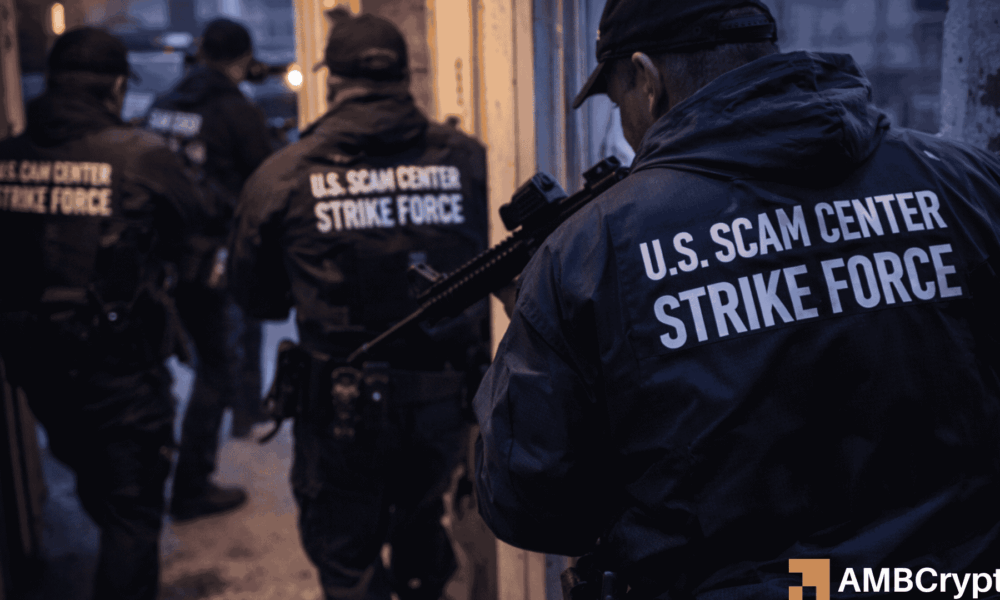
In a landmark effort to combat cryptocurrency-related fraud, U.S. authorities have seized and frozen more than $580 million in cryptocurrency assets within just three months. This initiative underscores a significant escalation in enforcement against crypto-enabled fraud networks, particularly those operated by Chinese transnational criminal organizations across Southeast Asia. The U.S. Attorney’s Office for the District of Columbia attributes this bold action to the newly formed Scam Center Strike Force, a multi-agency operation launched in late 2025 aimed at tackling large-scale cryptocurrency investment fraud and confidence scams.
Understanding the ‘Pig-Butchering’ Scam
One prevalent scheme highlighted by prosecutors is known as “pig-butchering,” where scammers cultivate long-term trust with their victims before directing them to fake cryptocurrency platforms. Typically, these scams are executed through social media channels, messaging apps, and illicit investment portals designed to mislead unsuspecting individuals into transferring their legitimate crypto assets. Once victims are engaged, their funds are often funneled into wallets controlled by criminal networks, marking a considerable financial loss for many innocent participants.
An Urgent Response to Rising Financial Crime
The rapid pace of these enforcement actions signals a newfound urgency among federal agencies to combat the estimated $10 billion drained from American victims annually through crypto-related schemes. Jeanine Pirro, the U.S. Attorney for the District of Columbia, noted that the recent seizures reflect an aggressive stance to intercept illicit crypto flows, ensuring that fraudulent activities are addressed before they can fully be laundered or dispersed. This shift in strategy mirrors broader concerns regarding the rising sophistication of scams exploiting cryptocurrency.
The Multi-Agency Approach: Strike Force’s Composition
The Scam Center Strike Force consists of prosecutors and investigators from multiple law enforcement agencies, including the Department of Justice’s Criminal Division, the FBI, the U.S. Secret Service, and the IRS Criminal Investigation unit. This collaborative effort is more than just about seizing funds; it focuses on identifying the organizers, infrastructure providers, and operators involved in these scams. Investigators are particularly keen on tracing the operations linked to scam compounds located in countries like Burma, Cambodia, and Laos, which have emerged as hotspots for such fraudulent endeavors.
Seized Assets and Victim Recovery Initiatives
As a direct result of these enforcement actions, data from Arkham indicates that the U.S. government is now in possession of a sizeable on-chain crypto portfolio, with Bitcoin comprising over $21.5 billion of these holdings. While the assets remain subject to forfeiture proceedings, officials emphasize their commitment to returning as much of the recovered funds to victims as possible. This objective aligns with the broader strategy of holding scammers accountable and restoring financial losses to those directly affected by their fraudulent activities.
A New Era of Crypto Regulation and Enforcement
The early results from the Strike Force suggest a potential shift in how large-scale crypto fraud is policed, moving from reactive measures to a more centralized and sustained enforcement approach. As blockchain transparency continues to improve and inter-agency cooperation strengthens, the landscape for scammers is becoming increasingly challenging. U.S. authorities are sending a clear signal to crypto markets: fraudulent activities will not go unpunished, and the environment is evolving to make cryptocurrency a less hospitable domain for illicit operations.
In summary, the recent seizure of $580 million in cryptocurrency by U.S. authorities marks a pivotal moment in the fight against fraud in the digital asset sector. With a heightened focus on scam prevention, victim recovery, and inter-agency collaboration, the future landscape of cryptocurrency enforcement appears more stringent and informed.