



The Geopolitical Implications of Stablecoins: Russia’s Perspective on U.S. Fiscal Policy
In an age where cryptocurrency and stablecoins are reshaping finance, geopolitical tensions are also emerging. A top Russian official has recently expressed concerns over U.S. strategies regarding stablecoins and cryptocurrency, viewing them as mechanisms to ‘devalue’ national debt similarly to historical policies from the 1930s and 1970s. Anton Kobyakov, senior adviser to President Vladimir Putin, articulated that the United States is potentially exploiting stablecoins to address its massive fiscal crisis—now estimated at approximately $35 trillion.
Kobyakov’s warnings highlight a critical issue: the U.S. aims to maneuver its extensive debt through advanced financial tools, including stablecoins. These digital assets, often pegged to tangible assets like the U.S. dollar, promise stability in the volatile crypto market. However, Kobyakov argues that this creates imbalances, essentially allowing the U.S. to alter the global economic landscape at the expense of other nations, particularly those struggling with U.S. dollar dependency.
The historical context provided by Kobyakov cannot be ignored. He likens the current fiscal environment to that of Franklin Roosevelt in the 1930s and Richard Nixon in the 1970s, both of whom took significant steps to redefine the U.S. dollar’s role in the global economy. In Roosevelt’s time, the dollar was purposefully devalued against gold, facilitating a reduction in U.S. debt burdens. Nixon’s abandonment of the gold standard shifted the international currency system toward fiat, effectively redistributing financial responsibility to global creditors. Kobyakov posits that the U.S. is deploying stablecoins as a modern iteration of these historical maneuvers.
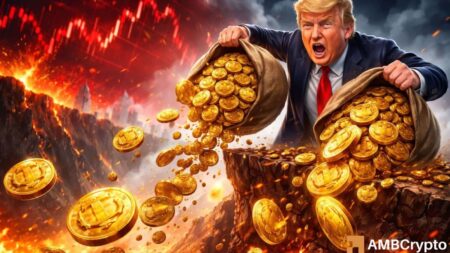
Compounding these dynamics is the endorsement from former President Donald Trump’s administration, which emphasized that stablecoins could play a crucial role in reinforcing the dollar’s status as the world’s reserve currency. The proposed GENIUS Act requires that stablecoins be backed by U.S. Treasury bills (T-bills)—a strategy that’s transformed stablecoins into significant consumers of U.S. debt and T-bills. This relationship has resulted in stablecoins becoming the third-largest buyers of T-bills and the fourth-largest holders of U.S. debt as of early 2025.
While stablecoins provide a financial lifeline for U.S. sovereign debt, concerns are mounting regarding their global implications. Trump himself suggested that stablecoins and Bitcoin hold the potential to significantly reduce the national debt, but this raises questions about the broader ramifications on global financial stability. How might other countries react to perceiving U.S. fiscal strategies as a means of externalizing its debt challenges?
In response, Russia has been exploring its own stablecoin and Central Bank Digital Currency (CBDC) initiatives. The Russian government aims to reduce its reliance on the U.S. dollar, particularly in light of sanctions and existing geopolitical tensions. The advent of blockchain technology and digital currencies offers nations the means to circumnavigate traditional financial systems that are dominated by the U.S. dollar. As such, the ongoing tension between the U.S. and Russia could exacerbate as both nations seek to leverage innovative financial solutions to promote national interests and strengthen economic sovereignty.
As the world navigates this rapidly evolving financial landscape, the delicate balance between cryptocurrency adoption and national security will become increasingly critical. The question remains whether U.S. dominance in the stablecoin sector will continue to pose challenges for other financial systems globally or if alternatives will emerge that can provide a counterweight. As the effects of these financial strategies unfold, observers must stay vigilant, considering both the opportunities and potential pitfalls associated with the changing paradigms of currency and fiscal policy.
In conclusion, the implications of stablecoin and cryptocurrency developments stretch beyond just finance; they encompass historical precedents and geopolitical concerns that could redefine relationships between nations. As both Russia and the U.S. navigate this new financial landscape, the need for strategic foresight and a deep understanding of the multifaceted impacts will be crucial in shaping future economic interactions and security policies. The role of stablecoins may not only influence U.S. debt management but could also redefine power dynamics in global finance for years to come.