



Ripple’s Groundbreaking Approval for National Trust Bank: Implications for the Crypto Industry
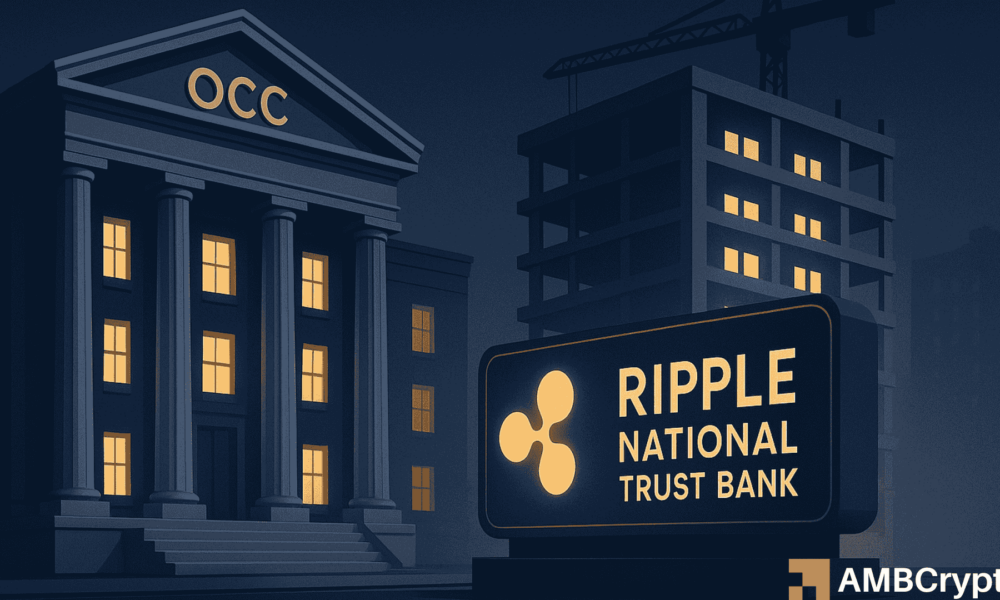
Ripple has made headlines with its recent conditional approval from the Office of the Comptroller of the Currency (OCC) to establish the Ripple National Trust Bank. This unprecedented development marks a significant regulatory milestone for cryptocurrency firms operating in the United States. Announced on December 12, this approval is part of a broader OCC initiative to grant national trust bank charters to five digital-asset companies, which includes Ripple, BitGo, Fidelity Digital Assets, and Paxos. This shift towards recognizing crypto-native businesses illustrates a growing acceptance of the sector within the traditional banking framework.
OCC’s Comptroller, Jonathan Gould, emphasized the positive impact of new entrants into the federal banking sector. In his statement, he asserted that these changes benefit consumers, enhance the banking industry, and contribute to economic growth. This approval signals a critical step toward integrating digital assets into the regulated finance sector, offering both traditional and innovative financial services a clear pathway forward. For Ripple, this officially positions it as a participant in the U.S. banking system, paving the way for improved partnerships and compliance with regulatory standards.
Ripple’s Competitive Edge with RLUSD
Ripple’s sustainable growth strategy is underscored by its expanding stablecoin business, particularly RLUSD, which is now the first major U.S. tokenized dollar to operate under dual regulatory oversight. This is a significant advantage, as it ensures compliance with both OCC’s supervision and New York Department of Financial Services (NYDFS) standards. The robust framework enhances RLUSD’s standing by aligning it with highly regulated peers in the stablecoin market, directly competing with industry leaders like USDC and PYUSD. Current CoinMarketCap data shows RLUSD upholding a close peg at $0.9999, resting on a circulating supply of approximately 1.02 billion tokens. This stability is critical in maintaining investor confidence despite occasional market fluctuations.
Ripple’s entry into the banking sector via its national trust bank charter also serves to eliminate longstanding barriers that have hindered institutional engagement. Offering improved issuance controls and enhanced reserve transparency are now feasible, giving Ripple a distinct edge in expanding RLUSD’s adoption within U.S. markets. Regulatory uncertainties have historically limited stablecoin usage in various financial institutions, but this new development provides Ripple with the means to navigate those challenges effectively.
A New Era for Crypto Banking in the U.S.
The OCC’s simultaneous approval of five digital-asset trust banks indicates a notable shift in federal regulations regarding cryptocurrency oversight. This change signifies a willingness to incorporate blockchain technologies into the banking system rather than isolating them. For Ripple, this paves the way for enhanced financial services, breaking free from years of regulatory struggles and opening doors to new market opportunities. Furthermore, this initiative may symbolize a broader acceptance of tokenized assets, suggesting that the future landscape of finance may increasingly integrate these digital elements alongside traditional products.
The approval of national trust banks for companies within the cryptocurrency sector stands as a clear indicator of the maturing federal stance on digital assets. Regulators are beginning to realize that effective oversight does not require the exclusion of innovative technologies but rather their integration into regulatory frameworks. This recognition is crucial for the long-term sustainability of the crypto industry, as it lays the groundwork for a harmonious coexistence between traditional banking and decentralized finance.
Ripple’s CEO Challenges Traditional Banking
In response to the approval announcement, Ripple CEO Brad Garlinghouse took a bold stance against traditional banking interests, asserting that they have historically attempted to impede the integration of cryptocurrencies into the regulated financial ecosystem. He posed a provocative question regarding the fears expressed by traditional financial institutions: “What are you so afraid of?” His comments highlight the ongoing conflict between established banks and emerging blockchain entities that seek regulatory parity. This tension underscores the necessity for a more progressive mindset among incumbent financial institutions that may feel threatened by the rising prominence of cryptocurrencies.
Garlinghouse’s remarks echo a larger narrative within the financial landscape. As blockchain firms continue to gain legitimacy and regulatory acceptance, traditional banks face increasing pressure to adapt and innovate to remain relevant. The need for traditional finance to embrace cryptocurrency technology is crucial, and Ripple’s charter exemplifies how these dynamics could potentially reshape the industry.
Final Thoughts
The granting of a national trust bank charter to Ripple represents one of the most significant moves toward regulatory recognition for the cryptocurrency industry in the United States. With RLUSD under one of the most robust regulatory frameworks available, Ripple sets a favorable precedent that competitors may feel compelled to follow. This shift has the potential to awaken dormant opportunities for both crypto firms and traditional banks, ultimately fostering an environment where innovative solutions thrive.
The OCC’s latest approvals chart a course towards a more integrated financial ecosystem, focusing on the opportunities presented by digital assets. As Ripple and similar entities continue to establish themselves within the U.S. banking system, the future of finance appears poised for transformation, with tokenized assets and stablecoins positioned to play a pivotal role. This evolution underscores the ongoing necessity for regulatory frameworks to adapt in response to the rapidly changing financial landscape, ensuring that growth, innovation, and consumer protection coexist in harmony.
In summary, Ripple’s regulatory breakthrough is not merely an isolated event; it marks the dawn of a significant era for cryptocurrency firms as they gain legitimacy and access within traditional financial frameworks. This extraordinary development serves as a game-changer for the industry, potentially catalyzing a new chapter in the evolution of banking and finance in the digital age.