



Exploring the Potential of a Dollar-Pegged Stablecoin for Gaza’s Reconstruction
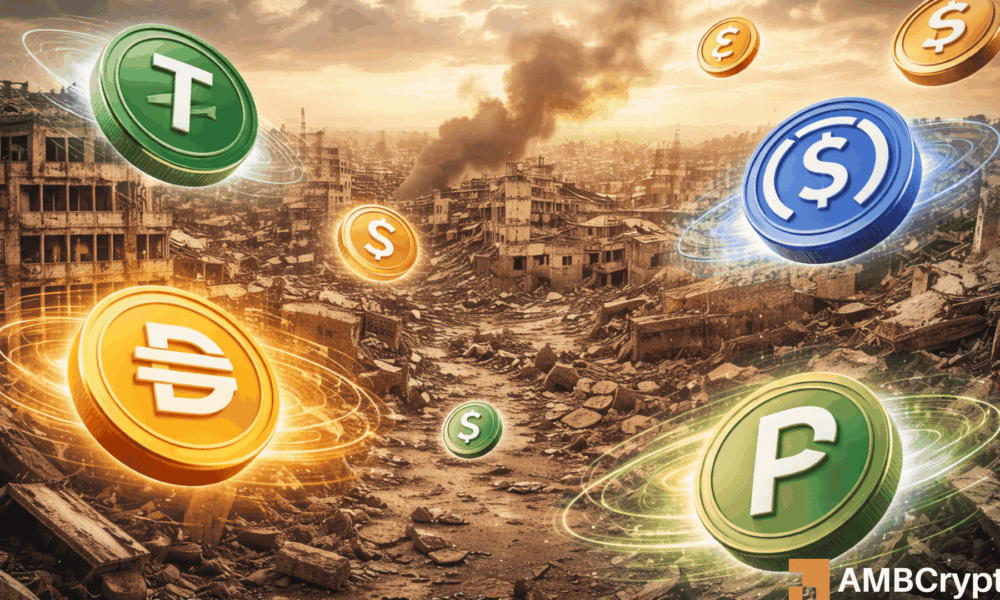
As discussions about postwar reconstruction in Gaza gain traction, advisers linked to former U.S. President Donald Trump’s Board of Peace are considering the introduction of a dollar-pegged stablecoin. This proposal aims to alleviate the financial challenges in a region significantly impacted by lengthy conflicts and devastated banking infrastructure. The initiative has been reported by the Financial Times and is still in its exploratory phases, highlighting both the promise and potential pitfalls of integrating U.S.-denominated digital currencies into fragile economies.
The Proposal: A Financial Lifeline for Gaza
The urgent need for efficient financial solutions in Gaza remains critical due to extensive damage to traditional banking services. The proposed stablecoin, likely backed 1:1 by U.S. dollars, is designed to facilitate various financial transactions, including aid payments, salaries, remittances, and regular commerce. By addressing the scarcity of cash and the pressing need for low-cost, quick payment systems, proponents believe that a dollar-backed stablecoin could significantly smooth the flow of funds in a struggling economy. Notably, this digital currency would operate alongside the existing Palestinian currency rather than replace it, signifying a dual payment structure aimed at increasing economic resilience.
Digital Innovation Meets Fragile Economies
The technical merits of a dollar-pegged stablecoin could offer immediate settlements and an alternative to physical cash, allowing for smooth financial exchanges in a crisis-laden area. Similar digital solutions have successfully emerged in various parts of the developing world facing banking constraints, demonstrating the feasibility of such a system. By offering traceable transactions compliant with U.S. anti-money laundering regulations, proponents argue that the stablecoin can facilitate legitimate economic activity while providing the necessary oversight to deter illicit actions.
Navigating Risks: Structural Dependence on U.S. Regulations
However, introducing a dollar-backed stablecoin to Gaza isn’t without its challenges. The proposal underscores a broader trend of dollar-backed stablecoins, which already dominate over 70% of the global market through private issuers like USDT and USDC. Establishing a stablecoin-based economy directly tied to U.S. dollars introduces an inherent dependence on U.S. regulatory frameworks. In Gaza’s sensitive political landscape, any potential sanctions or regulatory enforcement could disrupt essential financial flows, establishing a precarious reliance on a single monetary system. This structural dependence raises concerns about the vulnerability of local businesses and humanitarian aid to external pressures.
Political Dynamics and Crypto Involvement
The timing of this proposal is especially intriguing, coinciding with an increased interest in cryptocurrencies among Trump-associated figures. The former president has exhibited a more favorable stance towards digital assets, with various family-linked entities launching stablecoin initiatives. While there is currently no direct connection between these ventures and the Gaza proposal, the intersection of political influence, stablecoin development, and discussions on reconstruction creates a complex landscape. This political backdrop could potentially shape the reception of the stablecoin initiative within both domestic and international spheres.
From Concept to Reality: The Path Ahead
As it stands, the idea of a dollar-backed stablecoin for Gaza is still in its formative stages, necessitating regulatory approval and broader political backing. The discussions reflect a growing understanding that stablecoins can serve purposes beyond just trading instruments; they can play a role in helping reconstruct economies affected by turmoil. The regulatory pathways and feasibility of this initiative need thorough exploration before advancing further. However, the emerging conversation underscores the potential of digital currencies to be woven into the fabric of state-associated economic rebuilding efforts.
Conclusion: A New Chapter in Economic Reconstruction
In summary, while the prospect of a dollar-backed stablecoin offers potential benefits for easing payments in Gaza, it simultaneously risks entrenching U.S. monetary dependence in a postwar economy. As debates over geopolitics and reconstruction intensify, the flexible capabilities of stablecoins illustrate their evolving role within state economies. Even in its conceptual phase, this proposal signifies a pivotal moment in recognizing the intersection of digital finance, political influence, and humanitarian needs, potentially reshaping how we approach economic recovery in conflict-affected regions.