



Aave Community Ownership Crisis: A Battle for Revenue and Control
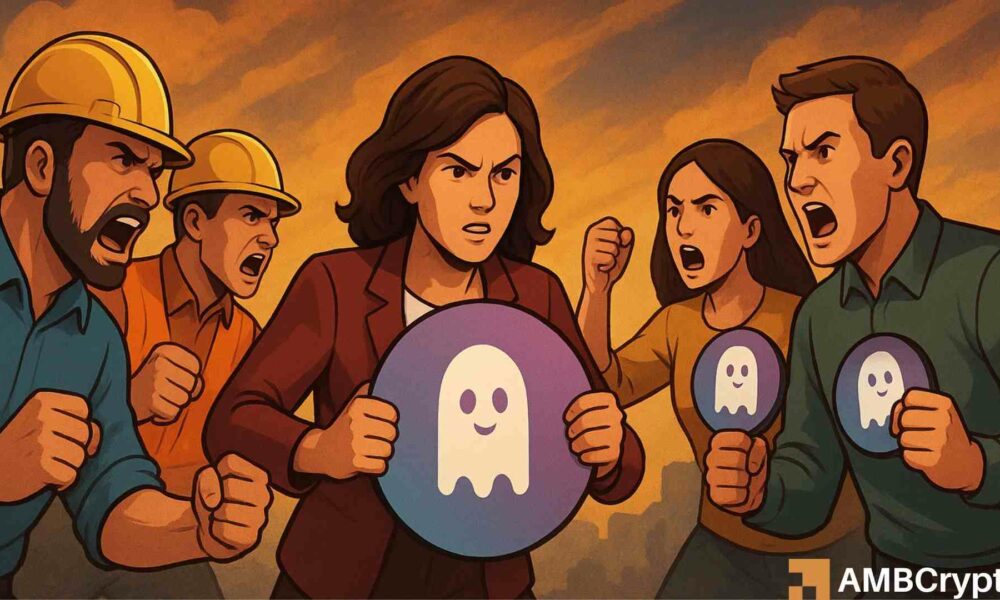
The Aave community finds itself in a contentious ownership crisis, with ongoing disputes between its Decentralized Autonomous Organization (DAO) and service providers regarding revenue distribution. At the center of this turmoil is Aave Labs, a key contractor responsible for developing features of the popular DeFi (Decentralized Finance) lending protocol. This situation raises critical questions about who truly owns Aave’s fees and revenues, illuminating the complexities of decentralization in the realm of cryptocurrency.
Understanding the Ownership Debate
The ownership conflict primarily revolves around the interpretation of payment agreements between the Aave DAO and its contractors, including Aave Labs. Governance participants contend that since the DAO has compensated these contractors directly, it holds ownership over the user interfaces, branding, and other features developed. However, perceptions changed with a recent integration of CowSwap, as the new framework redirected swap fees that would typically bolster the DAO treasury. This unexpected adjustment has ignited backlash among delegates, with estimates suggesting that the DAO could face an annual revenue shortfall of at least $10 million.
Critics are vocal about the implications of this shift, noting that the previous arrangement with ParaSwap provided shared revenue with the DAO, while the current partnership with CowSwap appears to favor the private service provider. This raises concerns about the long-term implications for the DAO’s financial health and the potential impact on tokenholders, who may feel sidelined in this evolving landscape.
Alarm Bells from Delegates
In early 2023, a proposal from Aave Labs regarding a new tokenization product named Horizon was rejected by the DAO, highlighting the tensions underlying Aave’s governance. Marc Zeller, founder of the Aave-Chan Initiative and DAO service provider, openly criticized what he termed Aave Labs’ "privatization" of protocol revenue. Zeller characterized this move as a direct threat to tokenholders’ interests and a concerning trend within the community. His sentiments were echoed by other influential figures, including Louis, a venture capital partner, who emphasized the need for tokenholders to proactively resist any encroachment on the DAO’s authority.
The urgency behind these discussions underscores the fragility of the Aave ecosystem, where misaligned incentives can lead to significant conflict. As such, Aave’s stakeholders are encouraged to remain vigilant and assertive in defending their interests against perceived overreach by external parties.
Defending Aave Labs’ Role
In response to the backlash, Aave Labs has defended its contributions to the protocol, citing over eight years of innovation that include critical advancements such as Aave V4 and GHO. Stani Kulechov, the founder of Aave, stressed that the developments led by Aave Labs ultimately benefit the DAO and, by extension, the tokenholders. The ongoing Aave token buyback, managed by the DAO, is another mechanism through which value is expected to accumulate for tokenholders. This back-and-forth illustrates the complex dynamics at play within the Aave ecosystem, particularly concerning revenue generation and ownership accountability.
Despite these tensions, on-chain data reveals a positive trend in Aave’s financial health, with over $15 billion in net deposit flows recorded during Q3 2025. However, the altcoin’s price has remained relatively stable, hovering around $200, suggesting that the market is currently unfazed by the internal discord. This stable price point raises questions about market sentiment and confidence in Aave’s long-term viability.
Navigating the Future of Aave
The ongoing ownership debate presents a challenging landscape for stakeholders in the Aave community. As tensions rise between contractors like Aave Labs and the DAO, it’s crucial for tokenholders to be informed and engaged. The concerns raised highlight broader issues of governance, transparency, and financial accountability within decentralized systems. Striking a balance between operational innovation and stakeholder interests will be essential as Aave navigates this crisis.
With the futures of both the DAO and Aave Labs intertwined, collaborative dialogue among all parties will be vital in resolving these disputes. Advocating for transparent governance practices can not only help ease current tensions but also foster a more robust framework for future decision-making within the Aave community.
Conclusion: A Call for Accountability and Unity
The ownership crisis facing Aave underscores a critical moment for the protocol and its users. While differing opinions exist about revenue distribution and operational authority, the overarching need for accountability and unity remains clear. As the Aave community strives to find common ground, it must prioritize the values that underpin decentralization: shared governance, transparency, and collective benefit for all stakeholders.
Understanding the nuances of this crisis is essential, not just for Aave’s immediate future but for the broader DeFi landscape as well. Implementing safeguards to protect the interests of tokenholders can pave the way for a more equitable ecosystem. As the discussions continue, stakeholders are urged to remain vigilant, engaged, and proactive in shaping the course of Aave’s governance and revenue distribution.