


The Optimism Foundation’s Strategic Shift: Aligning OP Token Value with Performance Metrics
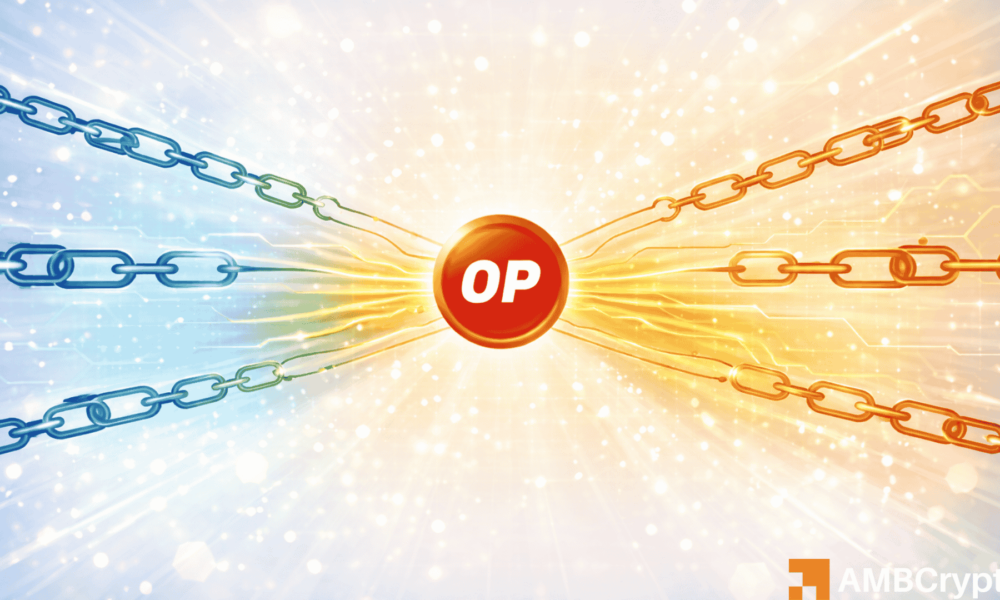
In a significant navigate through the evolving landscape of cryptocurrency, the Optimism Foundation has unveiled a proposal to both pivot the role of its OP token and enhance the functionality of the Superchain. This innovative plan intends to tie the OP token’s demand directly to the performance metrics of the Superchain—comprising multiple blockchain ecosystems like Base, Unichain, World Chain, and OP Mainnet. By initiating a business model that focuses on revenue-derived buybacks, the Optimism Foundation sets a precedent for Layer-2 (L2) tokens, shifting from merely offering governance rights to a more dynamic asset management strategy capable of creating a sustainable economic ecosystem.
Implementing Revenue-Based Buybacks
Under the proposed framework, 50% of the revenue generated through the Superchain’s sequencer operations will be dedicated to monthly buybacks of OP tokens for an initial period of 12 months, commencing in February. This plan is set for governance approval on January 22, highlighting that community input remains essential in this transition. If green-lit, this initiative will move OP beyond its current status as solely a governance token, directly integrating its demand into the broader network activity.
This is indeed a noteworthy change. The Optimism Foundation plans to convert half of the incoming sequencer revenue into OP through an over-the-counter (OTC) provider, with these purchased tokens being placed in the Collective treasury. The remaining Ethereum (ETH) revenue will be actively managed by the Optimism Foundation, reinforcing the idea of governance oversight while optimizing capital allocation. Last year alone, the Superchain collected approximately 5,868 ETH in revenue; if the proposed infrastructure had been in place, around $8 million in OP tokens could have been directly bought back, illustrating the potential impact on liquidity.
A New Economics Model for Layer-2 Tokens
The underlying principles driving Optimism’s proposal reflect a structural evolution in L2 token economics. Current L2 tokens typically rely on incentives that tie growth to governance rights but often lack lasting connections to real revenue streams. By focusing on revenue allocation for buybacks, Optimism is embarking on an experimental path to evaluate whether redirecting sequencer cash flows can establish a durable alignment between usage metrics and token economics. This approach aims to create a robust value capture mechanism within the context of a growing decentralized ecosystem.
Data from prominent analytics provider DefiLlama demonstrates the current performance metrics of OP Mainnet, which holds a Total Value Locked (TVL) of $309 million but has relatively modest chain and application revenues. Encapsulating sequencer revenue across multiple OP Stack chains indicates a belief that scale can achieve a meaningful revenue base over mere per-chain fees. This strategic move shifts the focus from price incentives to a more structural analysis of profitability and sustainability in the L2 landscape.
Market Reaction and the Role of Token Dynamics
Despite the robust intentions behind the buyback proposal, the market reaction has been relatively muted, with OP trading at approximately $0.32—a modest increase of over 3% in a 24-hour period. The design of the program inherently limits immediate price implications, as conversions are contingent upon actual revenue without aggressive price targeting. As such, any potential influence on supply dynamics will rely heavily on continual growth within the Superchain ecosystem rather than mere announcements or speculative trading.
This nuanced approach underscores that the proposal represents an essential shift in governance-led tokenomics, emphasizing long-term viability over short-term gains. By separating the buyback program from immediate market speculation, Optimism is focusing on cultivating a model that ensures the token’s value aligns with real-world application and usage metrics.
Implications for the Layer-2 Ecosystem
The upcoming governance vote on January 22 will determine whether this innovative buyback experiment proceeds. If approved, it will kick off a 12-month program with assessments made after its conclusion. The social and financial implications of this initiative extend beyond just the OP token; it also poses a significant test case for the entire rollup ecosystem. Should the aggregation of sequencer revenue successfully anchor token demand without sacrificing decentralization principles, other L2 networks might adapt their strategies for value capture in low-fee scenarios.
Conversely, if the initiative falls short, it could highlight significant hurdles in transforming architectural scales into sustainable economic platforms. The Optimism Foundation’s proactive stance not only challenges current norms but could also pave the way for enhanced frameworks that assist L2 projects worldwide in navigating their revenue models.
Conclusion: The Future of L2 Value Capture
Ultimately, the Optimism Foundation’s proposal serves as a unique experiment aimed at tightly integrating sequencer revenue with the performance of the network, thus establishing a stronger economic link between network usage and the OP token. By implementing a capped, revenue-based buyback model, the initiative emphasizes a long-term vision that prioritizes the redesign of Layer-2 value capture, especially amidst a low-fee operational environment. As the governance vote approaches, the entire blockchain community will be keenly observing this unfolding event, making it a pivotal moment for L2 token dynamics in the ever-evolving cryptocurrency landscape.