



Mastercard’s Strategic Integration with Polygon: A Leap into Blockchain
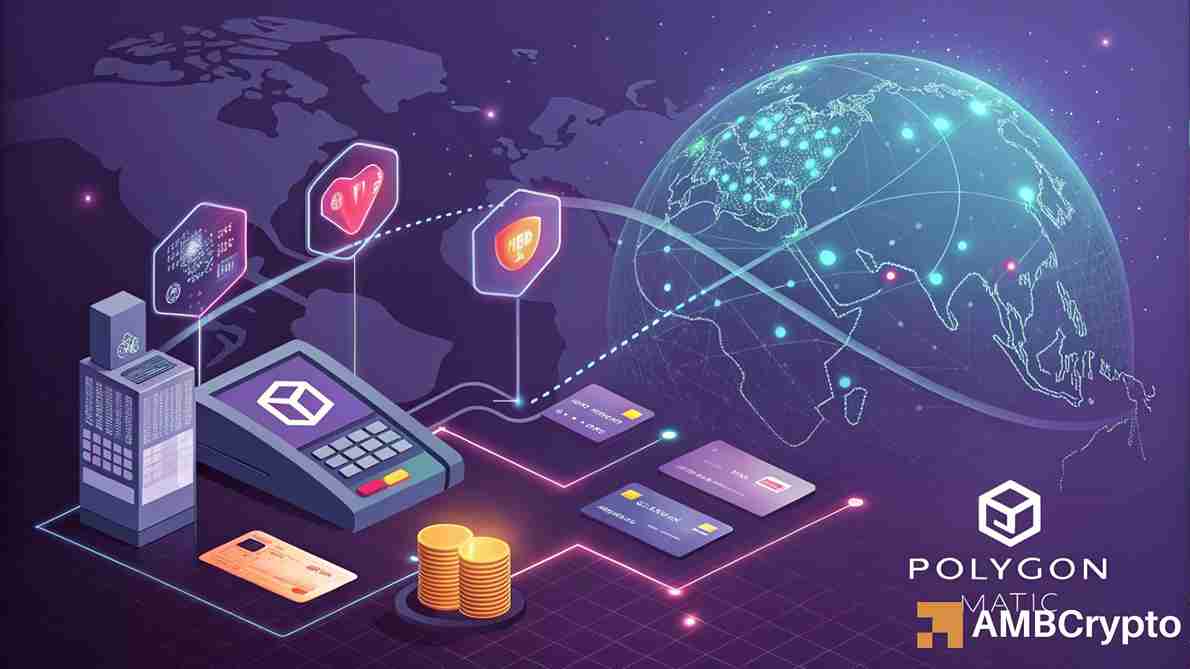
In a groundbreaking move, Mastercard is enhancing its embrace of blockchain technology by integrating with Polygon, a highly-respected layer-2 scaling solution. This collaboration aims to harmonize Polygon’s on-chain payment system with the traditional financial world. The partnership not only opens doors for banks and merchants to engage more deeply with digital assets, but it also aligns with a broader industry trend. Financial giants are increasingly recognizing blockchain’s potential to streamline processes, bolster transparency, and innovate payment systems.
The Growing Demand for Stablecoins and Cross-Border Solutions
Mastercard’s integration with Polygon comes at a time when demand for stablecoins is steadily rising, surpassing overall market capitalization for many cryptocurrencies. The urgency for stable and efficient cross-border payment solutions has never been more pronounced. As payment systems integrate with blockchain technology, they can provide enhanced mechanisms for currency exchange and transaction settlements. This strategic alignment not only creates a smoother bridge between fiat and digital currencies but also paves the way for widespread adoption of blockchain solutions in institutional frameworks.
Expanding Institutional Gateways
For Polygon, this partnership marks a significant turning point. By aligning with Mastercard, it gains access to a robust existing financial ecosystem, positioning itself as a key player in enterprise-scale adoption of blockchain solutions. Payment platforms typically serve as intermediaries that connect traditional finance (Web2) with decentralized finance (Web3). Therefore, collaborations like this one may significantly broaden Polygon’s user base, making it an attractive option for businesses looking to transition to digital assets while maximizing their market reach.
On-Chain Activity and Market Response
The impact of this collaboration is already visible as on-chain activity on Polygon has seen marked increases. Preliminary data from derivatives markets indicates a notable uptick in transfer counts, a key indicator of heightened demand. Rising transfer activity often serves as a precursor to bullish market trends, suggesting that the momentum surrounding Polygon may sustain itself in the near future. Concurrently, exchange outflows have surged as well, signaling that many investors are opting to move their tokens into private wallets, mitigating immediate selling pressures and enhancing market stability.
Market Sentiment and Future Prospects
Mastercard’s integration has undoubtedly placed Polygon at the forefront of investor interest. As transfer volumes rise and exchange outflows increase, market participants are positioning themselves favorably in anticipation of broader adoption. The ultimate question remains: Will this initial momentum translate into sustained price advancements for Polygon? Much depends on the speed and extent to which traditional financial players adopt Polygon’s infrastructure. Observers are keenly watching how this dynamic unfolds, as it could significantly impact the cryptocurrency landscape.
Conclusion: A New Chapter for Blockchain in Finance
Mastercard’s partnership with Polygon signifies a significant stride towards incorporating blockchain technology into conventional finance. As both on-chain activities and investor engagements flourish, the potential for institutional adoption expands manifold. The rise in transfer counts and exchange outflows reflects a palpable shift in market sentiment towards Polygon, reinvigorating interest around the digital asset. The industry is closely monitoring how traditional finance continues to engage with this innovative infrastructure, as it could set the stage for a new era of financial transactions, blurring the lines between digital and traditional currencies.
This carefully coordinated move by Mastercard not only strengthens Polygon’s position in the blockchain space but also highlights a pivotal moment in the history of financial transactions, suggesting an increasingly interconnected future.