


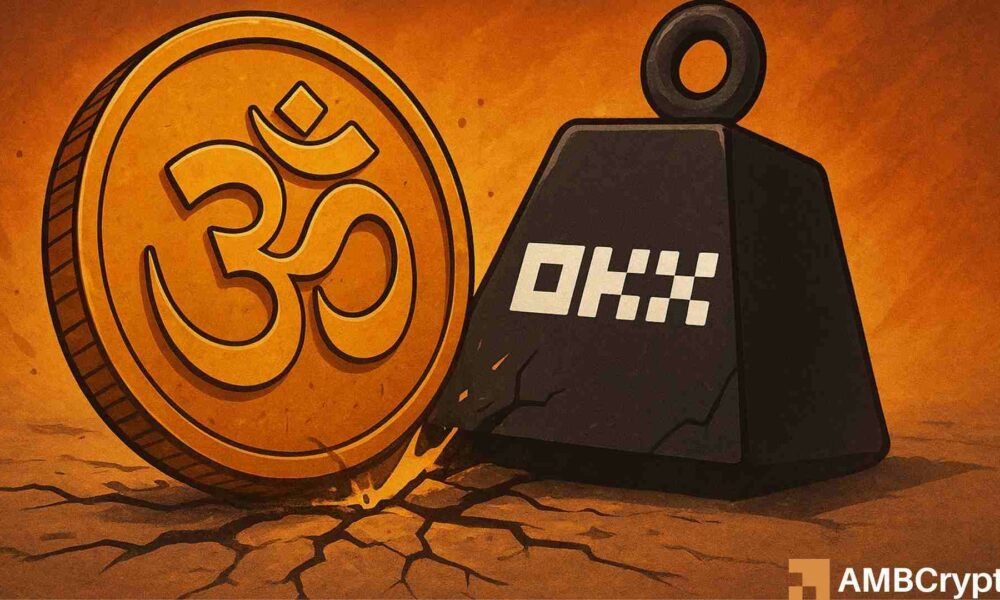

The Collapse of Mantra’s OM Token: A Deep Dive into Recent Turmoil
In April 2025, Mantra’s OM token experienced a staggering crash of over 99%, plunging investors into chaos and igniting a blame game between the project team and OKX, the crypto exchange involved. Following this dramatic event, the fallout has become a focal point for discussions surrounding price manipulation, investor trust, and the future of the tokenized protocol. As the dust settles, it’s essential to examine the intricacies of this situation, the players involved, and the potential paths forward for Mantra and its community.
The Accusations and Counterclaims
The narrative began when OKX publicly accused the Mantra team of leveraging significant amounts of Tether (USDT) while using OM as collateral, allegedly to inflate its price. This behavior raised alarms within the exchange’s risk management team, leading to the freezing of accounts and the liquidation of portions of the Mantra project. The accusations did not stop there; OKX emphasized the lack of transparency over the origins of large OM holdings, questioning why a small group of individuals controlled such a substantial portion of the token supply.
In response, the Mantra team characterized the claims as misleading, highlighting the confusion surrounding the situation. Park Yong, a concerned user, challenged OKX’s motives, pondering whether the exchange was genuinely acting to protect its users or if there were deeper, internal complications at play due to the evolving migration timelines for the token.
The Future of Mantra’s Token
For those unfamiliar, Mantra is a blockchain protocol focused on tokenization, making a significant announcement regarding its plans to migrate from Ethereum to a new Layer 1 solution. This transition includes a rebranding of its ERC-20 governance token, OM, to MANTRA, with a migration deadline set for January 15, 2026. Given this impending shift, OKX reached out to assist with converting its OM holdings, despite the backdrop of ongoing tensions between the two parties. The significance of this migration cannot be understated as it may influence user sentiment and investor confidence.
The Price Roller Coaster
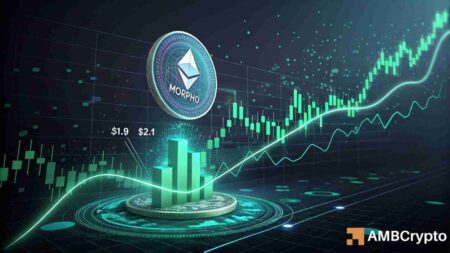
The path leading to the OM crash has been tumultuous, especially following a notable rally in late 2024, where the token surged by an impressive 600%. However, this victory was short-lived as challenging market conditions and subsequent manipulation allegations led to an over 80% drop in value when OKX froze accounts. Currently, OM trades at approximately $0.07, reflecting the overwhelming bearish sentiment in the futures market.
Despite the volatility, there remains a beacon of hope for the project. Mantra is working on introducing new products, including a stablecoin called MantraUSD. Even now, there are over 36,000 holders of OM, and with the migration on the horizon, many within the community are eager to see if this transition will allow the project to move past the controversies and rebuild trust.
Legal Actions and Investor Reactions
As tensions continue, reports indicate that large OM investors are reportedly suing OKX for significant losses tied to the token’s collapse. JP Mullin, the CEO of Mantra, has publicly refuted any claims of ongoing legal actions between the project and the exchange, asserting that the issue primarily lies between OKX and its larger investors. This declaration has raised eyebrows within the community, spotlighting potential shake-ups in how disputes are resolved in the crypto space.
Moving Forward: The Path to Recovery
In summary, the fallout from Mantra’s OM token crash has highlighted the complexities of the cryptocurrency market, where manipulation, investor interests, and regulatory pressures intersect. As both the Mantra team and OKX navigate this situation, the outcomes will likely have lasting effects on investor sentiment and the overall future of the project. The upcoming migration to MANTRA presents both challenges and opportunities; it remains to be seen whether this will be a turning point for the protocol or if it will further complicate the relationship between stakeholders involved. The next few months will be crucial as all parties work towards a resolution and potential restoration of trust in the community.