



The Convergence of Traditional Finance and Blockchain Technology: Key Partnerships Shaping the Future
In recent announcements, significant partnerships between established financial infrastructure firms and cryptocurrency companies underscore a fundamental shift toward the integration of traditional capital markets with blockchain-based trading systems. This convergence marks a pivotal moment in the evolution of financial transactions, with companies such as Broadridge Financial Solutions, Nasdaq, and Payward leading the charge.
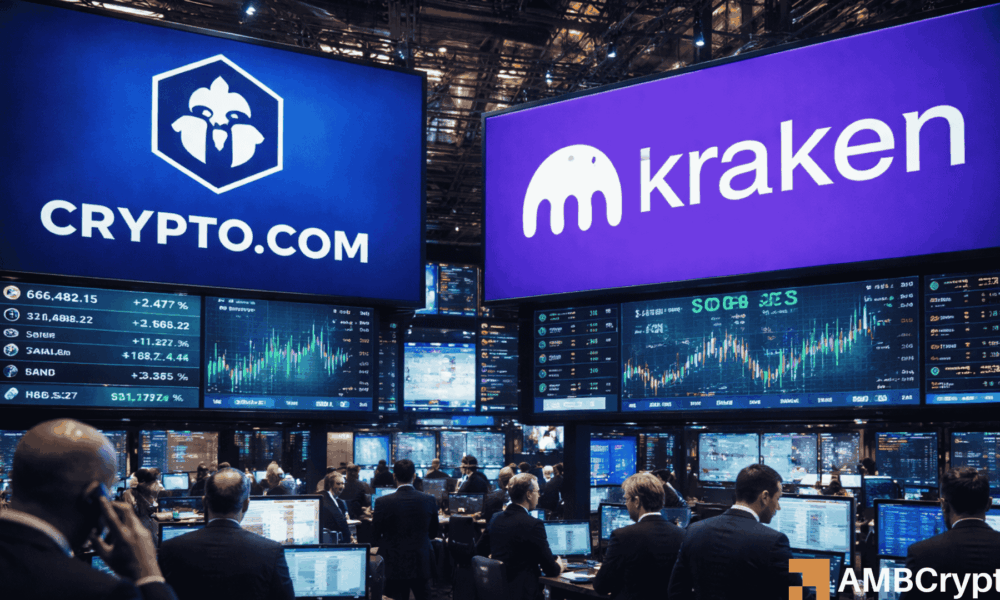
Broadridge Financial Solutions has taken a significant step by integrating Crypto.com into its NYFIX order-routing network. This partnership allows institutional brokers connected to the platform to route cryptocurrency orders using the FIX-based infrastructure, which is already extensively utilized in global financial markets. Consequently, Crypto.com becomes the first cryptocurrency trading connection within Asia on the NYFIX network, ultimately aiming to streamline the crypto trading experience alongside traditional asset classes.
The integration of Crypto.com into NYFIX provides brokers and trading firms with the ability to execute crypto transactions through the same systems already established for equities, derivatives, and other traditional financial assets. By doing so, Broadridge effectively reduces operational friction and aligns with the rising demand from institutional clients who seek access to digital assets while adhering to existing compliance and operational frameworks. This partnership exemplifies how legacy financial systems can incorporate innovative technologies.
Simultaneously, Nasdaq is collaborating with Payward to develop an infrastructure gateway that links tokenized equity markets to decentralized blockchain networks. This initiative is centered around the xStocks framework—a tokenized equities system associated with the exchange platform Kraken. This forward-thinking project enables the seamless transfer of tokenized equities between regulated institutional markets and permissionless decentralized platforms, ensuring that investors can enjoy the benefits of blockchain-based financial services while remaining within the bounds of regulatory compliance.
As the initiative unfolds, Nasdaq anticipates the operational launch of its tokenized equity design in the first half of 2027. The xStocks framework has already demonstrated substantial traction, with over $25 billion in transaction volume since its inception. This ongoing commitment to tokenization highlights Nasdaq’s proactive approach to evolving its infrastructure and accommodating the growing trends of digital assets within financial markets.
This movement toward tokenization signifies a broader trend where financial infrastructure providers are actively transforming their systems to support digital assets and tokenized securities. Traditional financial markets have largely relied on broker networks and centralized intermediaries for settlement processes. Conversely, blockchain technology offers programmable assets, faster settlements, and interoperability between various financial platforms, presenting an opportunity for a more seamless trading experience.
By facilitating the integration of traditional financial rails with decentralized networks, these partnerships are setting the stage for a more accessible and continuously operational global market. This collaborative effort not only benefits institutional investors but also augments the overall stability and efficiency of capital markets by leveraging the strengths of both traditional finance and digital innovation. As financial infrastructure providers continue to explore tokenization and blockchain connectivity, the potential for a transformative economic landscape is becoming increasingly apparent, reshaping how transactions are conducted in the 21st century.
In summary, these strategic alliances involving Kraken, Crypto.com, Nasdaq, and Broadridge collectively signify a concerted effort toward integrating blockchain infrastructure with established trading systems. As the demand for digital assets rises, the initiatives highlighted in these partnerships reflect an overarching momentum towards tokenized assets and interoperable capital markets that link regulated institutions with decentralized financial networks.