




The Evolving Landscape of Crypto Regulation in the U.S.: Bridging Gaps for Industry Stability
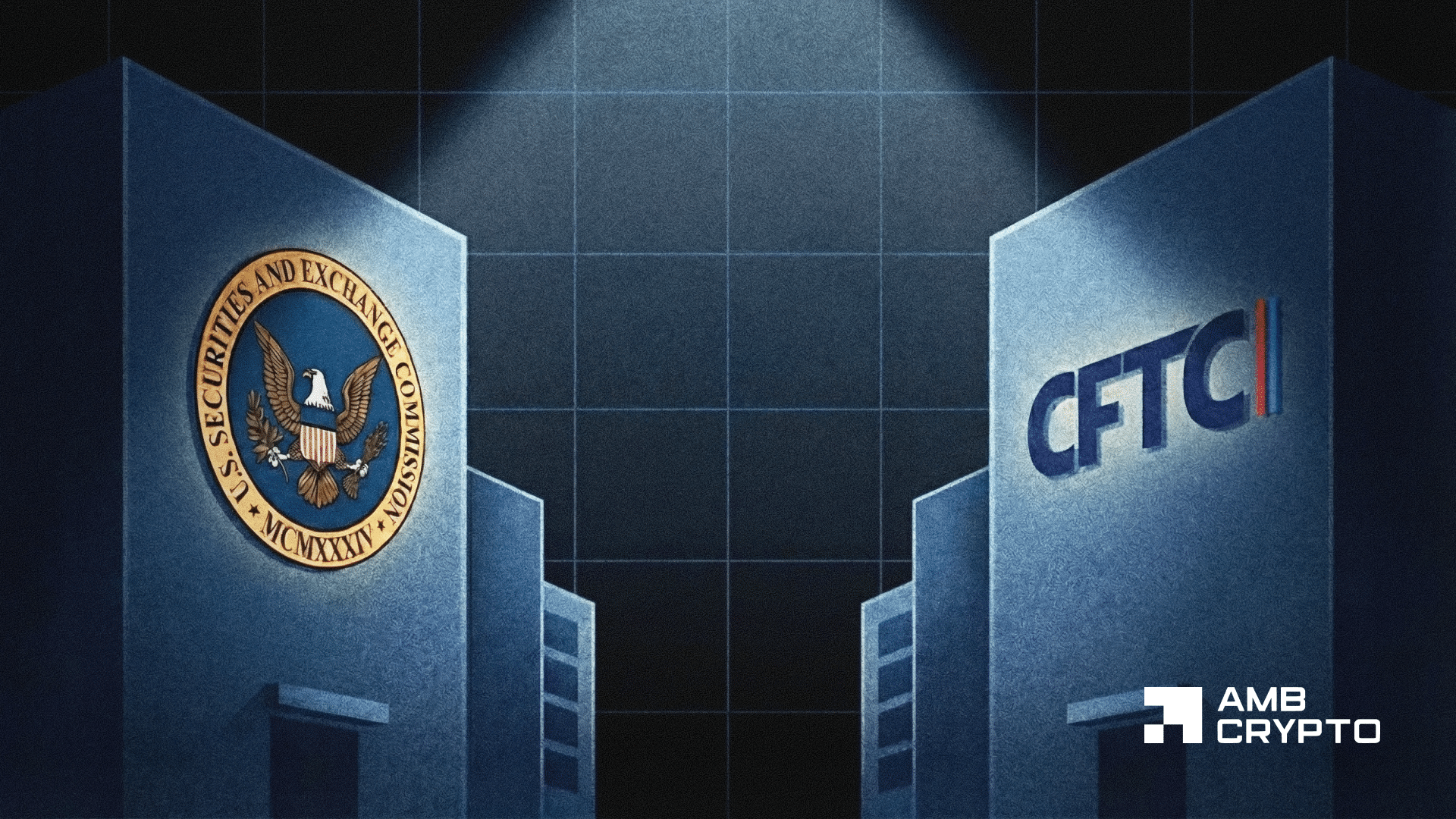
The United States has witnessed a tumultuous journey in regulating cryptocurrencies, primarily characterized by a convoluted interplay between two regulatory giants—the Securities and Exchange Commission (SEC) and the Commodity Futures Trading Commission (CFTC). These agencies have operated under overlapping jurisdictions, creating a regulatory maze for crypto firms. The SEC has classified numerous tokens as securities based on the Howey Test, while the CFTC regards core assets like Bitcoin (BTC) and Ethereum (ETH) as commodities, particularly in the context of derivatives markets. This duality has led to increased regulatory ambiguity, making it common for both agencies to scrutinize the same token or trading platform, thereby placing an undue burden on crypto firms navigating this complex landscape.
As the scope of regulatory interpretations expanded, the consequences became palpable. Crypto companies faced the daunting prospect of simultaneous enforcement actions from both agencies, heightening tensions in an already volatile market. This regulatory burden is reflected in rising enforcement numbers; in fiscal year 2023, the CFTC launched 47 digital-asset cases, which constituted nearly half of its total enforcement actions. The situation escalated in FY2024, with the CFTC recording 58 cases and achieving an unprecedented $17.1 billion in financial penalties. Such figures underscore the pressure on crypto firms that have been caught in the crossfire of ambiguous regulatory definitions and overlapping authorities.
In a bid to mitigate this dual enforcement scenario, the SEC and CFTC have established a memorandum of understanding that fosters closer coordination. This agreement aims to promote data sharing, facilitate joint discussions, and align regulatory oversight between the two agencies. By harmonizing their approaches to digital asset markets, the regulators seek to eliminate redundancies and clarify jurisdictional boundaries, which could ultimately reduce uncertainty for crypto firms operating in the U.S. This newfound collaboration signifies a potential turning point in an industry long plagued by regulatory dilemmas.
Navigating the labyrinth of regulatory frameworks can be an intimidating task for crypto firms, especially given the costs associated with compliance. Many companies are often forced to adhere to both SEC securities regulations and CFTC commodity oversight for the same assets. This leads to a challenging situation where firms could be exposed to duplicative compliance demands, further exacerbating operational costs. This regulatory fragmentation has been a significant factor pushing several U.S.-based companies to relocate to more crypto-friendly jurisdictions, such as Singapore or Dubai, where clearer regulatory frameworks are in place. With the cooperation between the SEC and the CFTC, however, there is hope that this trend can be reversed, creating an environment that nurtures domestic innovation.
The shift toward proactive regulatory coordination also has implications for the broader competitive landscape of the crypto industry. As crypto derivatives gained traction—reaching nearly $3 trillion in notional volume by 2025—the regulatory complexities began to manifest more clearly. The urgency for cohesive oversight has never been more pronounced, especially given the increasing scrutiny placed on stablecoin issuers and infrastructure providers. Meanwhile, legislative discussions in Washington have reflected a burgeoning consensus on the need for a definitive framework that governs crypto markets. If the U.S. can align its regulatory strategies in a cohesive manner, it stands to regain its lost ground in the global crypto arena.
In contrast to the fragmented U.S. regulatory environment, other regions such as the European Union, Singapore, and the United Kingdom have adopted more streamlined regulatory frameworks. The EU’s Markets in Crypto-Assets (MiCA), Singapore’s Monetary Authority of Singapore (MAS), and the UK’s Financial Conduct Authority (FCA) all offer clearer licensing paths for crypto firms. These regions have successfully attracted companies seeking regulatory certainty, emphasizing the urgent need for U.S. regulators to foster a more inclusive and clear regulatory framework. Failing to do so may result in the U.S. losing its status as a leader in financial innovation.
In conclusion, Bitcoin and Ethereum remain at the crux of a growing regulatory divide in the U.S. This overlapping oversight from the SEC and CFTC has engendered a climate of compliance uncertainty for American crypto firms. Nevertheless, recent strides toward regulatory coordination aim to streamline enforcement and clarify jurisdictional boundaries, ultimately improving the competitive standing of the U.S. in the global crypto market. As the industry evolves, the focus on establishing a cohesive regulatory framework will be essential for nurturing innovation and maintaining the United States’ leadership in the ever-expanding world of cryptocurrencies.