




Bitcoin at the $70,000 Threshold: Congressional Debates on the Future of Crypto
As Bitcoin hovers near the significant $70,000 mark, the cryptocurrency has become a focal point of discussion in U.S. Congress. In a recent hearing regarding the Financial Stability Oversight Council’s (FSOC) 2025 report, Treasury Secretary Scott Bessent faced tough inquiries about the impact of cryptocurrencies on financial stability. This highlights a pivotal moment in the ongoing debate regarding whether Bitcoin should be left to the free market or classified as a strategic asset requiring government intervention.
Crypto’s Financial Stability Under Scrutiny
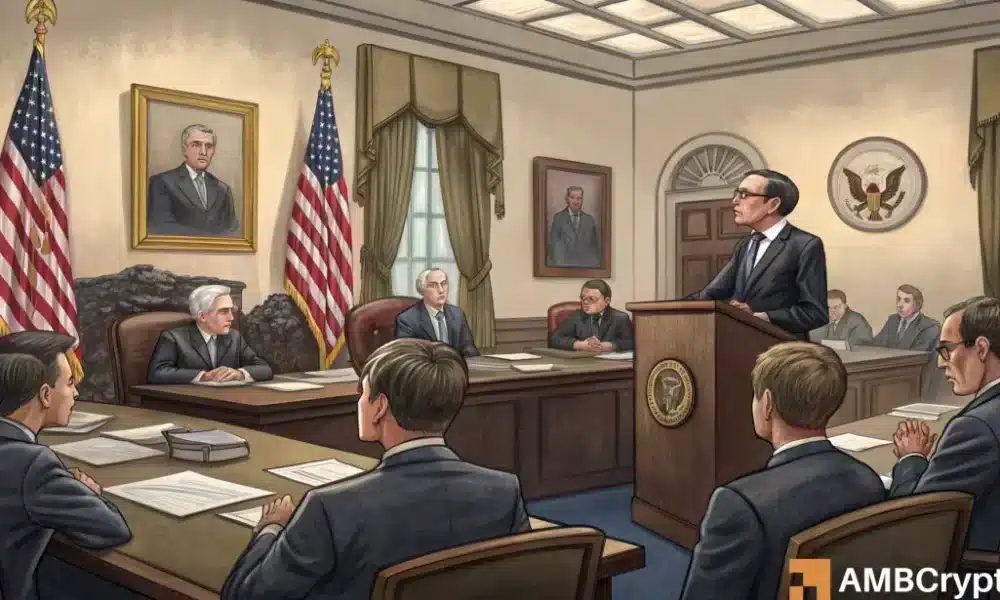
During the House Financial Services Committee session, Secretary Bessent was particularly challenged by Representative Brad Sherman, a well-known opponent of cryptocurrencies. Sherman inquired whether the government could direct banks to increase their Bitcoin holdings or adjust banking regulations to encourage them to do so. Bessent firmly stated, “I do not have the authority to do that,” underlining the limitations of his role as Treasury Secretary and chair of FSOC. This exchange crystallized the growing rift between lawmakers about how the government should interact with cryptocurrencies.
The Debate Over Government Intervention
The conversation took a contentious turn when Sherman sought a straightforward response regarding whether taxpayer money could be used to support a failing crypto market. Rather than answering directly, Bessent diverted to discuss the government’s broader approach, emphasizing the concept of a Strategic Bitcoin Reserve. He characterized Bitcoin retention as a national security asset that isn’t a financial liability but a necessary tool to cement America’s position in the digital economy. This indicates a nuanced perspective where the government recognizes the potential of Bitcoin while still maintaining a distance from direct market intervention.
The Value of Seized Bitcoin
Bessent noted that the U.S. government has retained a substantial amount of seized Bitcoin, further reinforcing the idea of Bitcoin as a key asset. He cited figures indicating that $500 million worth of retained Bitcoin had grown to over $15 billion. This significant increase illustrates not just the potential returns of investing in Bitcoin, but also the belief within the Treasury that the asset can play an essential role in enhancing financial stability and national interests.
Pro-Crypto Policies vs. Democratic Criticism
The hearing illustrated a stark divide in perspectives, with proponents of pro-crypto policies arguing that the rise of cryptocurrency signals that their strategies are effective. Republican representatives like Chairman French Hill and Representative Andy Barr held the view that easing regulations fosters growth and innovation within the financial sector. Conversely, Democratic members, led by Ranking Member Maxine Waters, voiced concerns. They criticized the administration for allegedly prioritizing Wall Street interests over the needs of everyday Americans, signaling fears of potential risks reminiscent of past financial crises.
The Need for Tailored Regulations
The discussion concluded with Republicans advocating for “tailored” regulations, arguing that smaller banks should not be subject to the same stringent rules as major global institutions. This reflects an ongoing debate about the need to strengthen commercial banks while promoting innovation in the crypto space. The acknowledgment of smaller institutions highlights the complex landscape of the financial sector and the varying levels of risk and capability among banks.
Final Thoughts: A Strategic Asset in the Digital Era
Treasury Secretary Bessent’s defense of retained Bitcoin suggests a significant shift in the government’s treatment of digital assets, moving towards recognizing them as strategic reserves rather than mere speculative instruments. The contrasting views expressed during the hearing show that while the pro-crypto stance is gaining traction, there remains a substantial apprehension among some lawmakers regarding the inherent risks associated with cryptocurrencies. This ongoing dialogue will likely play a crucial role in shaping the future landscape of digital assets in the United States, as regulators and lawmakers grapple with balancing innovation and safeguarding financial stability.
In summary, as Bitcoin approaches historic highs, the U.S. government’s perspective on digital currencies evolves, promising to influence future legislation amid a backdrop of spirited political debate.