



Iran Leverages Bitcoin for Strait of Hormuz Toll Payments: A New Paradigm in Cryptocurrency Adoption
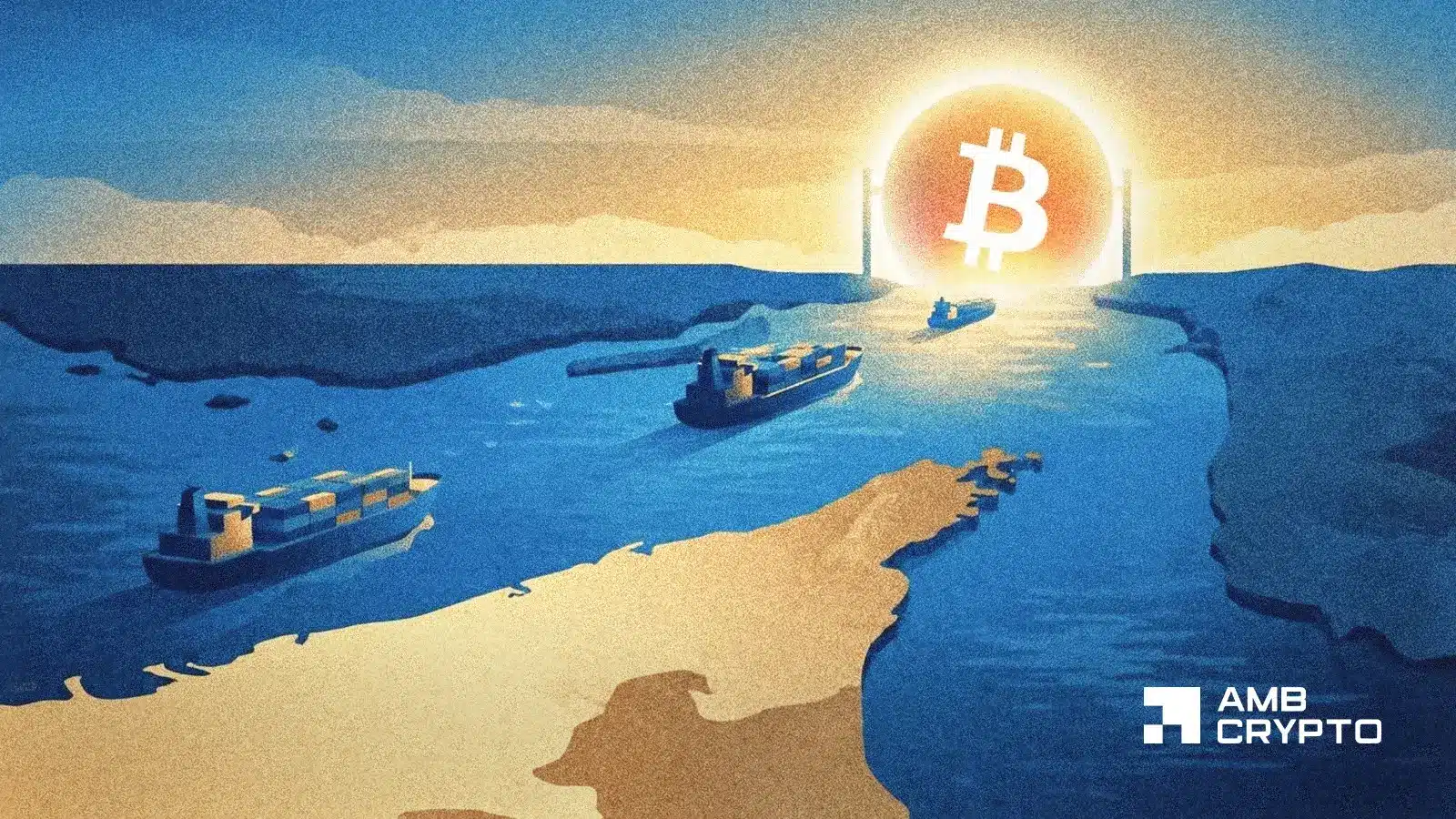
Iran’s recent proposal to implement Bitcoin (BTC) tolls on vessels navigating the Strait of Hormuz marks a significant turning point in the global usage of cryptocurrency, particularly as a hedge against economic sanctions and censorship. This initiative allows oil carriers to pay a toll of $1 per barrel, translating to a staggering 281 BTC per fully loaded ship, given the current market conditions. This policy not only seeks to generate revenue but reflects Iran’s strategic shift towards adopting cryptocurrency amidst ongoing geopolitical tensions.
In light of a recent fragile two-week ceasefire, the Iranian government’s toll strategy was announced on April 8, reinforcing the narrative that digital currencies like Bitcoin can serve as viable alternatives to traditional fiat currencies. The spokesperson for Iran’s Oil, Gas, and Petrochemical Products Exporters’ Union, Hamid Hosseini, confirmed that once vessels process their toll payments through email assessments, they have mere seconds to complete the transactions in Bitcoin. This method enhances anonymity, reducing the risk of asset seizure due to sanctions imposed by the West. Interestingly, empty ships are exempt from tolls, allowing them to pass without charge.
Cryptocurrency isn’t uncharted territory for Iran. In late December and January, following the collapse of the Iranian Rial, local crypto activity surged, with an estimated volume nearing $8 billion. Growing tensions in West Asia have only fueled the adoption of Bitcoin among Iranian citizens, as many resort to cryptocurrency to protect their assets from the volatile local economy. This trend underscores a key theme: amid financial instability and government censorship, cryptocurrencies are emerging as crucial tools for empowerment.
The implications of Iran’s toll payment scheme for Bitcoin are significant. The mere fact that a sovereign nation is considering BTC for financial transactions signals its growing legitimacy on the world stage. Financial experts like Jack Mallers, founder of Strike, have already suggested this could accelerate Bitcoin’s ascent as a ‘future world reserve currency.’ The very notion that sovereign nations see utility in cryptocurrencies challenges traditional financial structures and highlights the transformative potential of digital currencies in global finance.
However, skepticism remains among industry leaders regarding the concrete implementation of Bitcoin tolls for oil shipping. Arthur Hayes, the founder of BitMEX, expressed doubts, insisting that tangible on-chain verification of transactions is essential before recognizing the legitimacy of such claims. This skepticism emphasizes the continued need for transparency and trust in the crypto ecosystem, which will be crucial as governments like Iran explore unconventional monetary policies.
Nonetheless, the potential risks associated with Iran’s heavy reliance on cryptocurrency cannot be ignored. The country’s crypto sector has become increasingly susceptible to hacks and cyber threats, exemplified by the recent Nobitex breach linked to Israel. As Iran navigates the complexities of leveraging Bitcoin to bypass sanctions, it must also address the vulnerabilities that accompany digital currency adoption, particularly in a politically charged environment.
In conclusion, Iran’s consideration of Bitcoin toll payments represents a groundbreaking development in the realm of cryptocurrency. As the nation aims to counteract Western sanctions and bolster its economy, the move not only enhances Bitcoin’s legitimacy but also highlights its potential role as a global reserve currency. While the future remains uncertain, one thing is clear: cryptocurrency is no longer a mere speculative investment; it is becoming a fundamental element in international finance and geopolitics. As nations grapple with economic challenges, the embrace of cryptocurrencies may pave the way for a new financial landscape defined by decentralization and resilience against censorship.