



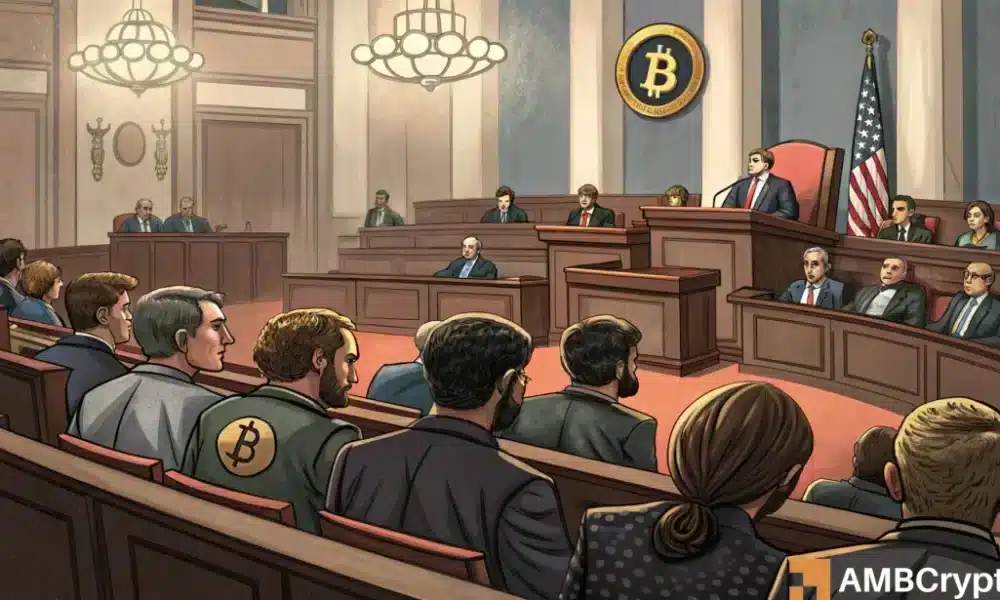

Significant Developments in U.S. Crypto Regulation: Key Takeaways from Recent Senate Meetings
The landscape of digital asset regulation in the United States is shifting, as evidenced by recent bipartisan meetings between key lawmakers and top executives from major cryptocurrency firms. Executives from firms like Coinbase, Ripple, Galaxy, and Circle joined these discussions to advocate for clearer regulations surrounding digital assets. As the Crypto Market Structure Bill continues to evolve, both Democratic and Republican senators are working towards establishing a framework that balances innovation with oversight.
Key Participants in the Discussions
Recent roundtable meetings brought together influential players from the cryptocurrency industry, including executives from prominent firms such as Coinbase, Ripple, Galaxy, Circle, and the Solana Policy Institute. Their involvement underscores the urgency of establishing regulations that can guide the burgeoning digital asset market. The discussions were particularly relevant following the release of a draft proposal that faced significant backlash from the crypto community for its strict regulatory approach toward decentralized finance (DeFi).
Overview of the Senate’s Proposed Bill
At the heart of the discussions is the Senate’s draft of the Crypto Market Structure Bill, which aims to clarify the roles of key regulatory bodies—the SEC and CFTC—by specifically defining their jurisdictions. One of the notable proposals includes the introduction of the term "ancillary assets," which seeks to provide clarity on which digital assets do not fall under the category of securities. This distinction is crucial for fostering innovation while ensuring adequate investor protections.
Tensions Amid Legislative Progress
Despite the collaborative atmosphere, underlying tensions were evident during the meetings. Senators expressed frustration regarding a recent leak of the bill’s draft, which has been criticized as overly restrictive on the DeFi sector. The leak has exacerbated ideological divides within the Senate and caused some industry leaders to be wary of aligning too closely with specific political factions. Senator Gallego’s remarks reflected this tension, cautioning crypto executives against becoming pawns in partisan conflicts.
Bipartisan Commitment to Progress
Despite the tensions and criticisms, both Democrats and Republicans seem committed to advancing the Crypto Market Structure Bill before the end of the year. The urgency for federal regulation has never been more apparent, especially given the growing pressure from various stakeholders. Lawmakers emphasized that any attempts by industry representatives to undermine or politicize the negotiations could jeopardize the bill’s progress. Both parties appear eager to finalize the regulatory framework, signaling a potential shift in the trajectory of U.S. cryptocurrency regulation.
Industry Leaders’ Perspectives
Prominent industry figures like Brian Armstrong of Coinbase, Mike Novogratz of Galaxy, and Dante Disparte of Circle played essential roles in the discussions, advocating for regulations that support both market innovation and consumer protection. However, the absence of prominent figures like Senator Elizabeth Warren indicates that ideological divisions remain significant. Nonetheless, the engagement of Senate leadership, including Minority Leader Chuck Schumer, suggests a renewed determination to clarify the regulatory environment for the cryptocurrency sector.
The Road Ahead for Crypto Regulation
Despite the positive signs of collaboration, uncertainty still looms over the final outcome of the legislation. Predictions indicate a diminishing likelihood of the Crypto Market Structure Bill being enacted before the end of 2025, with estimates dropping to just 17% chance since mid-July. The stakes are high for the cryptocurrency industry, which is watching closely as lawmakers navigate these complex negotiations. With clarity on U.S. crypto regulation necessary for its future growth, the coming months will be pivotal in determining the legal framework that will govern digital assets.
In conclusion, the recent meetings surrounding the Crypto Market Structure Bill signify a critical moment in U.S. cryptocurrency regulation. As industry leaders and lawmakers strive for consensus, the potential for a harmonized regulatory framework appears on the horizon, albeit amid ongoing tensions and ideological conflicts. The commitment from both sides to advance the bill will be crucial in ensuring that the cryptocurrency market can thrive under well-defined legal parameters.